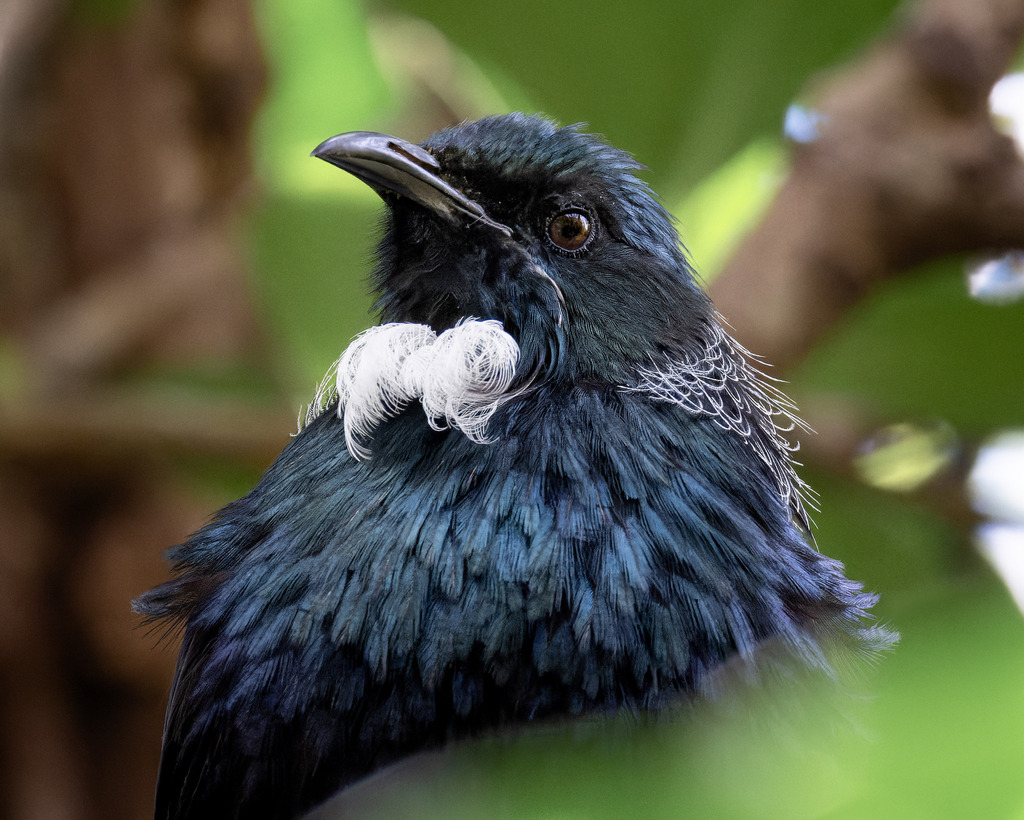
Honeyeaters
Meliphagidae
The honeyeaters are a large and diverse family, Meliphagidae, of small to medium-sized birds. The family includes the Australian chats, myzomelas, friarbirds, wattlebirds, miners and melidectes. They are most common in Australia and New Guinea, but can also be found in New Zealand, the Pacific islands as far east as Samoa and Tonga, and the Indonesian islands to the north and west of New Guinea known as Wallacea. Bali, on the other side of the Wallace Line, has a single species.
In total, there are 195 species in 51 genera, roughly half of them native to Australia, many of the remainder occupying New Guinea. With their closest relatives, the Maluridae (Australian fairy-wrens), Pardalotidae (pardalotes), and Acanthizidae (thornbills, Australian warblers, scrubwrens, etc.), they comprise the superfamily Meliphagoidea and originated early in the evolutionary history of the oscine passerine radiation. Although honeyeaters look and behave very much like other nectar-feeding passerines around the world (such as the sunbirds and flowerpeckers), they are unrelated, and the similarities are the consequence of convergent evolution.
51 branches of this family, most-observed first · about 196 known species

Tūī
genusProsthemadera

Australian Miners
genusManorina

Wattlebirds
genusAnthochaera

Yellow-winged Honeyeaters
genusPhylidonyris

Typical Friarbirds
genusPhilemon

Plumed Honeyeaters
genusPtilotula

Blue-faced Honeyeaters
genusEntomyzon

Spinebills
genusAcanthorhynchus

Meliphaga Honeyeaters
genusMeliphaga

Lichmera Honeyeaters
genusLichmera

Caligavis Honeyeaters
genusCaligavis
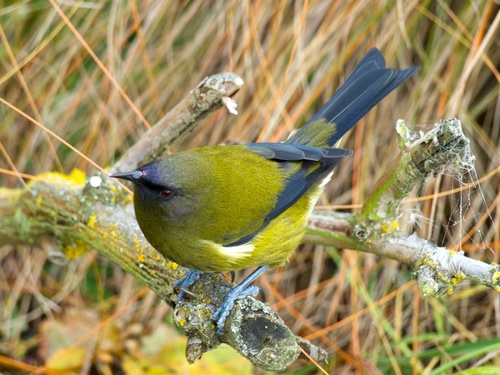
New Zealand Bellbirds
genusAnthornis

Dark-headed Honeyeaters
genusMelithreptus

Gavicalis Honeyeaters
genusGavicalis

Myzomelas
genusMyzomela

White-eared and Yellow-throated Honeyeaters
genusNesoptilotis

Acanthagenys
genusAcanthagenys

Australian Chats
genusEpthianura

Purple-gaped and Yellow-tufted Honeyeaters
genusLichenostomus

White-gaped and Yellow Honeyeaters
genusStomiopera

Conopophila Honeyeaters
genusConopophila

Plectorhyncha
genusPlectorhyncha
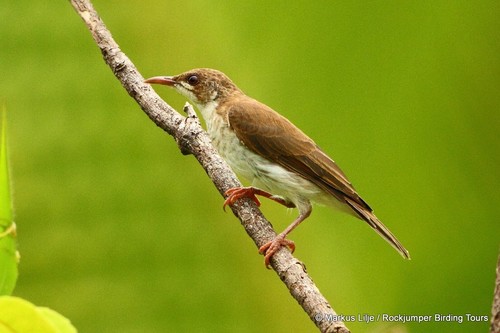
Bar-breasted and Brown-backed Honeyeaters
genusRamsayornis
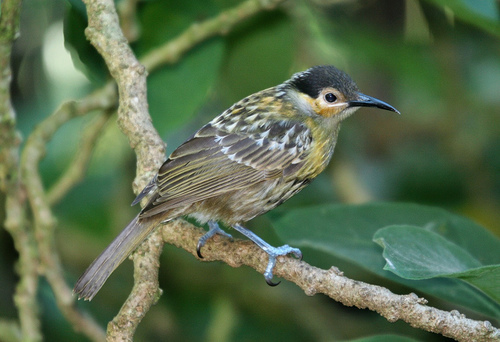
Xanthotis Honeyeaters
genusXanthotis

Gliciphila Honeyeaters
genusGliciphila

Purnella
genusPurnella

Bridled and Eungella Honeyeaters
genusBolemoreus

Wattled Honeyeaters
genusFoulehaio
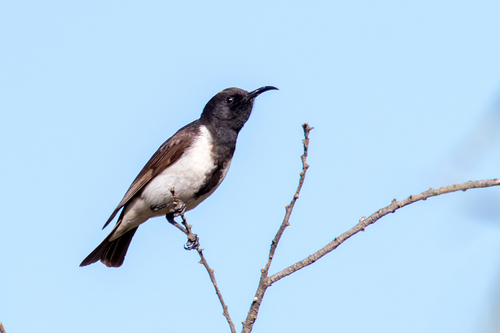
Sugomel
genusSugomel

Certhionyx
genusCerthionyx

Grantiella
genusGrantiella

Melidectes
genusMelidectes

Cissomela
genusCissomela

Smoky Honeyeater and Allies
genusMelipotes

Streaked Honeyeaters
genusPtiloprora

Giant Honeyeaters and Allies
genusGymnomyza

Ashbyia
genusAshbyia

Glycichaera
genusGlycichaera

Myzas
genusMyza

Drab Honeyeaters
genusPycnopygius

Trichodere
genusTrichodere

White-streaked Friarbirds
genusMelitograis

Melilestes
genusMelilestes
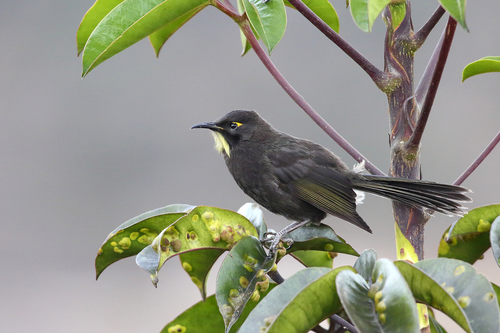
Melionyx Honeyeaters
genusMelionyx

Meliphacator
genusMeliphacator

MacGregor's Honeyeaters
genusMacgregoria

Straightbills
genusTimeliopsis

Meliarchus
genusMeliarchus

Vosea
genusVosea
Guadalcanal Honeyeaters
genusGuadalcanaria
Stresemannia
genusStresemannia
Where it lives
Recorded sightings
—
geo-referenced records in GBIF, from museums, herbaria and field observers.
Drag the globe to turn it. Dots are where records exist, not a range map; darker means more records.
In the stacks
Searching the stacks…
Every page naming Meliphagidae in the Biodiversity Heritage Library →
This page is assembled live from iNaturalist, GBIF, Wikipedia, the Source Library and the Internet Archive. It is not yet part of the hand-edited codex. iNaturalist taxon 12160.