- Animals
- ›Arthropods
- ›Hexapods
- ›Insects
- ›Winged and Once-winged Insects
- ›True Bugs, Hoppers, Aphids, and allies
- ›True Hoppers
- ›Spittlebugs, Cicadas, Leafhoppers and Treehoppers
- ›Leafhoppers and Treehoppers
- ›Typical Leafhoppers
- ›Deltocephalinae
- ›Scaphoideini
- ›Drabescina
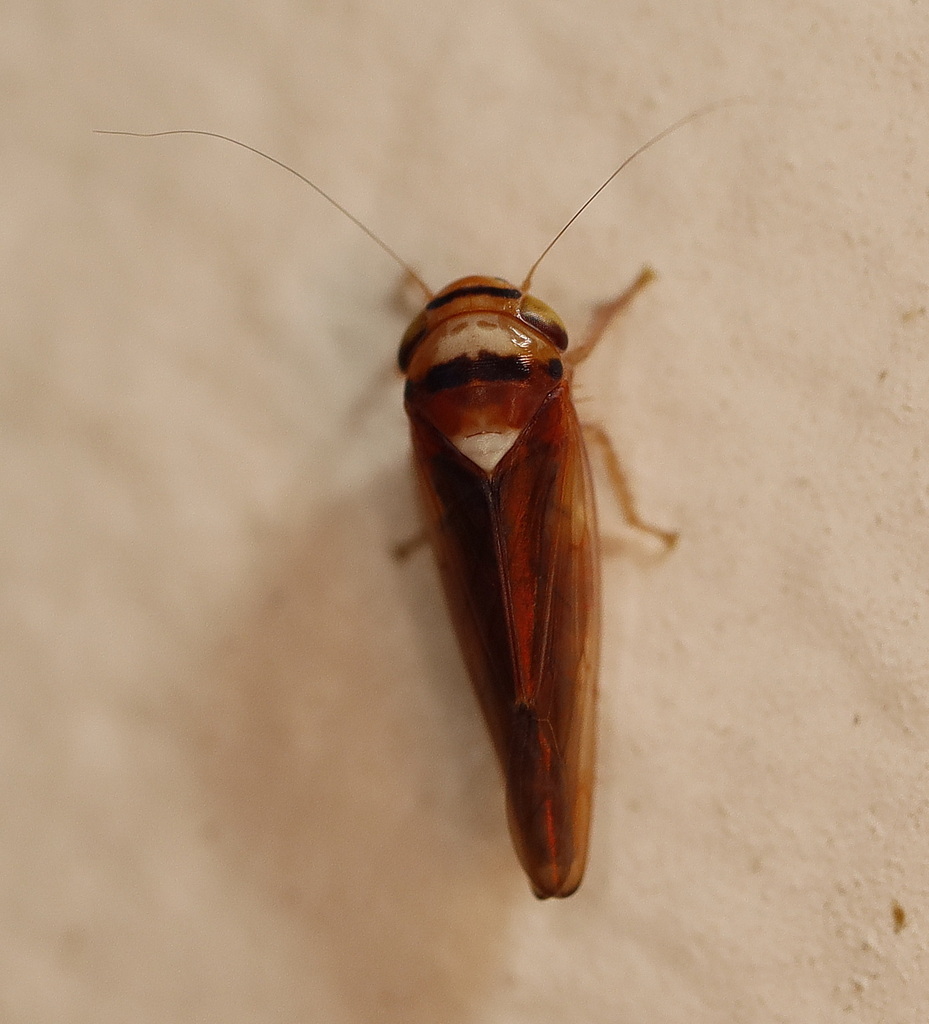
Carvaka
Charvaka (Sanskrit: चार्वाक; IAST: Cārvāka), also known as Lokāyata, is an ancient Indian school of materialism. It is an example of the atheistic schools (specifically naturalistic and antisupernaturalistic) in the Ancient Indian philosophies. Charvaka holds direct perception, empiricism, and conditional inference as proper sources of knowledge, embraces philosophical skepticism, and rejects ritualism. In other words, the Charvaka epistemology states that whenever one infers a truth from a set of observations or truths, one must acknowledge doubt; inferred knowledge is conditional.
It was a well-attested belief system in ancient India. Brihaspati, a philosopher, is traditionally referred to as the founder of Charvaka or Lokāyata philosophy, although some scholars dispute this. Charvaka developed during the Hindu reformation period in the first millennium BCE and is considered a philosophical predecessor to subsequent or contemporaneous heterodox philosophies such as Ajñāna, Ājīvika, Jainism, and Buddhism. Its teachings have been compiled from historic secondary literature such as those found in the shastras, sutras, and Indian epic poetry.
6 branches of this genus, most-observed first
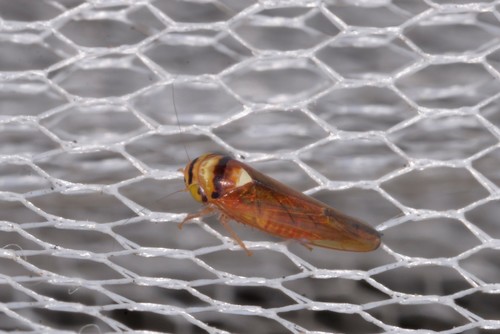
Carvaka elegantula
speciesCarvaka elegantula
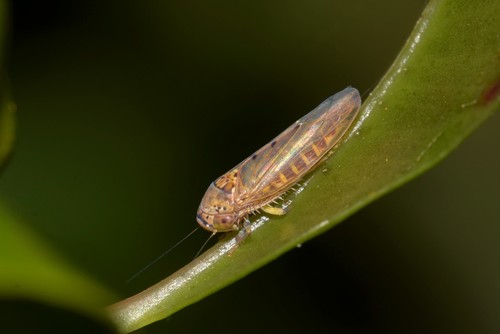
Carvaka mouldsorum
speciesCarvaka mouldsorum
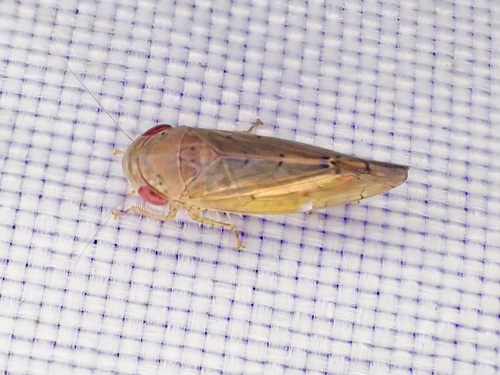
Carvaka flava
speciesCarvaka flava
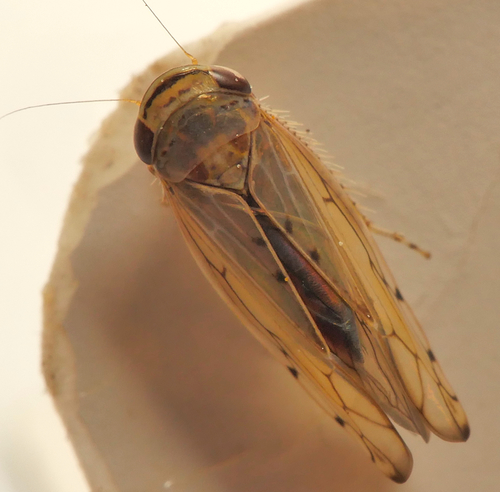
Carvaka contempta
speciesCarvaka contempta
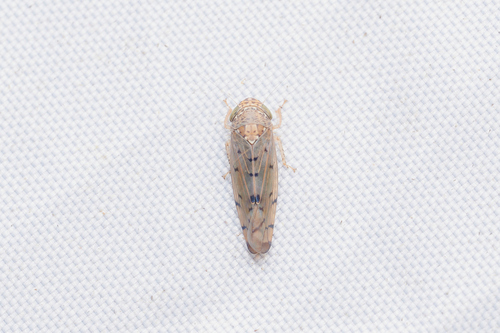
Carvaka bigeminata
speciesCarvaka bigeminata
Carvaka formosana
speciesCarvaka formosana
Where it lives
Recorded sightings
—
geo-referenced records in GBIF, from museums, herbaria and field observers.
Drag the globe to turn it. Dots are where records exist, not a range map; darker means more records.
In the stacks
Searching the stacks…
Every page naming Carvaka in the Biodiversity Heritage Library →
This page is assembled live from iNaturalist, GBIF, Wikipedia, the Source Library and the Internet Archive. It is not yet part of the hand-edited codex. iNaturalist taxon 1176408.