 NL·0692
Herbarium of the Nature Library
- Name
- Thunnus thynnus
- Family
- Scombridae
- Native to
- North Atlantic from the Gulf of Mexico and Canary Islands to Newfoundland and Norway; Mediterranean Sea
- Habitat
- Open ocean (pelagic), Continental shelf
Atlantic bluefin tuna
Thunnus thynnus
Also calledHon-maguro / Kuromaguro (Japanese) · Atún rojo (Spanish) · Thon rouge (French) · Tonno rosso (Italian) · Orkinos (Turkish)
The largest tuna, a warm-bodied torpedo that can exceed 600 kg and cross the Atlantic in a matter of months. Its heat-conserving circulation lets it hunt in cold northern waters, and its fatty belly meat has made it one of the most valuable fish on Earth.
The Atlantic bluefin tuna is a species of tuna in the family Scombridae. It is variously known as the northern bluefin tuna, giant bluefin tuna, and formerly as the tunny. Wikipedia
What it can do
- iRegional endothermy: a countercurrent heat exchanger (rete mirabile) keeps muscles, eyes and brain well above water temperature
- iiCrosses the Atlantic between western and eastern feeding grounds, a journey electronic tags show can take only a few months
- iiiDives below 1,000 m and tolerates water from about 3 °C to 30 °C
- ivRetracts its fins into grooves to reduce drag at high speed
In the field
Field marks
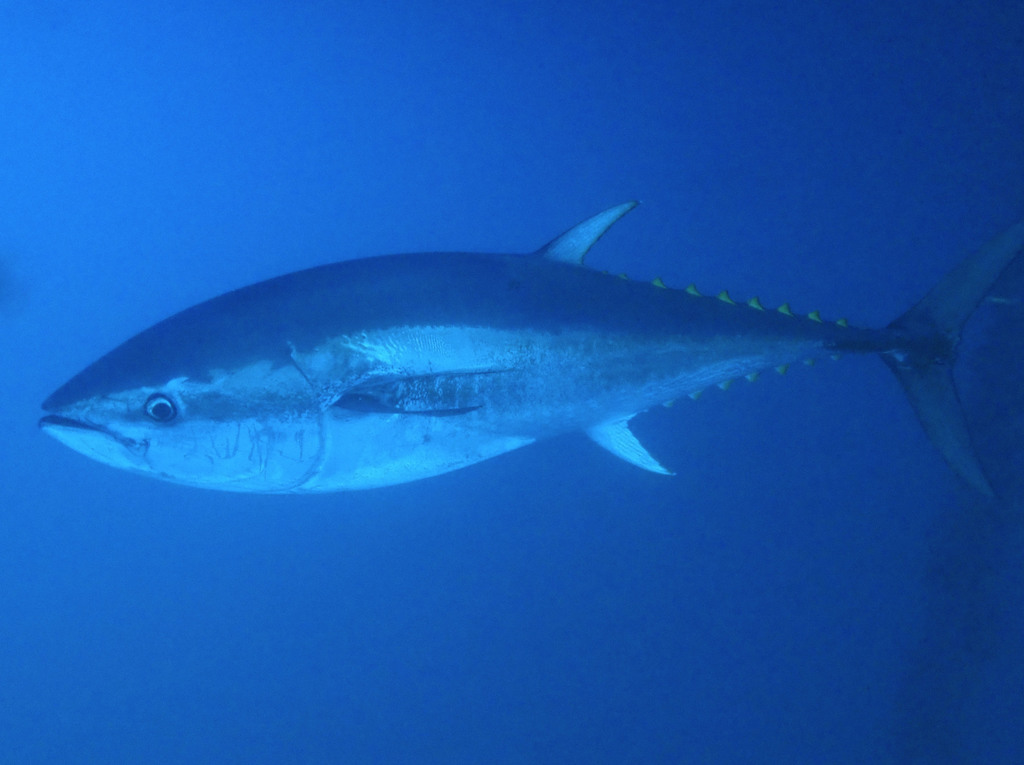
- aMassive, deep, spindle-shaped body, deepest near the first dorsal fin
- bShort pectoral fins that do not reach the second dorsal fin
- cDark blue-black back, silvery-white belly with pale spots and bars
- dRow of yellow finlets edged in black behind the dorsal and anal fins
- eStrong lateral keel on the caudal peduncle
- Not to be confused with
- Pacific bluefin (T. orientalis) is nearly identical but lives in the Pacific. Yellowfin has long yellow second dorsal and anal fins and a slimmer body; bigeye has longer pectorals reaching the second dorsal.
- Where to see it
- Strait of Gibraltar (historic almadraba traps), Gulf of St. Lawrence and Prince Edward Island, Norway and Scotland in late summer, Balearic Islands
- When
- North Atlantic feeding grounds Jul–Oct; Mediterranean spawning May–Jul
Life & habits
- Diet
- Herring, mackerel, sardines, squid, sand lance and crustaceans
- Habitat
- Epipelagic open ocean and shelf waters; spawns in warm, stratified water in the Gulf of Mexico and Mediterranean
- Size
- Commonly 2 m and 250 kg; record ~3.3 m and 680 kg
- Lifespan
- Up to about 40 years
Schools by size and makes seasonal migrations of thousands of kilometres between cold feeding grounds and warm spawning seas, returning faithfully to the sea where it was spawned.
Where it lives
Recorded sightings
—
geo-referenced records in GBIF, from museums, herbaria and field observers.
Native range
North Atlantic from the Gulf of Mexico and Canary Islands to Newfoundland and Norway; Mediterranean Sea
Drag the globe to turn it. Dots are where records exist, not a range map; darker means more records.
In the old herbals & bestiaries
Woodcuts and engravings matched from the Source Library’s scanned books by name. Plates marked “relative” show a close kin rather than this exact species. Click a plate to read the page it came from, with translation.


In the stacks
Searching the stacks…
Every page naming Thunnus thynnus in the Biodiversity Heritage Library →
Marginalia
Phoenicians and Romans worked tuna traps at Gibraltar and Sicily; the Andalusian almadraba of Cádiz still operates, and Aristotle described the fish's seasonal passage through the Bosporus.
Curiosity
Heavy overfishing in the 1990s and 2000s, especially in the eastern Atlantic and Mediterranean, was followed by a strict ICCAT recovery plan from 2007; the eastern stock rebounded, and in 2021 the IUCN moved the species from Endangered to Least Concern, although the smaller western (Gulf of Mexico) stock remains depleted.
Kinship
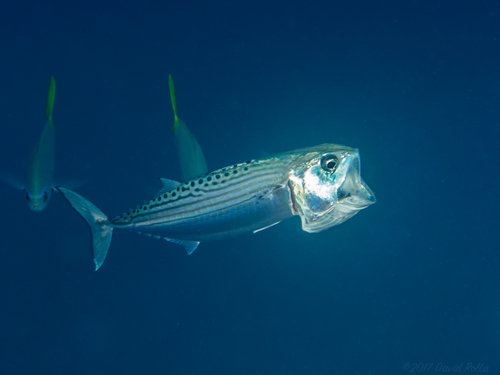
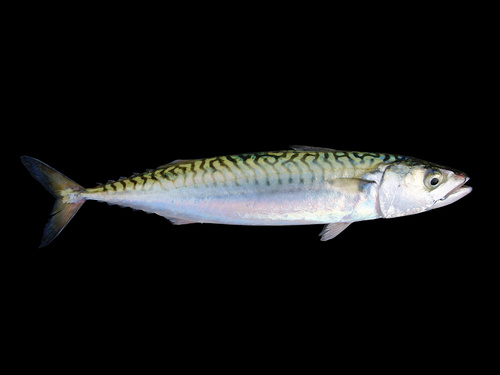
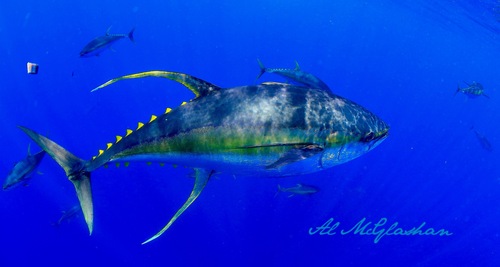



Fact-checked: 1 correction made to this sheet. Photographs: iNaturalist contributors under the licences shown. Records: GBIF.org. Historical plates: Source Library (CC BY-SA 4.0; originals public domain). Summary text: Nature Library editors and Wikipedia (CC BY-SA). Medicinal and edibility notes are historical and educational, not advice. iNaturalist taxon 114126.