 NL·0020
Herbarium of the Nature Library
- Name
- Cocos nucifera
- Family
- Arecaceae
- Native to
- Indo-Pacific; domesticated separately in the Pacific and South Asia; now pantropical on coasts
- Habitat
- Tropical beaches, Coastal lowlands, Atolls
Coconut palm
Cocos nucifera
Also calledNariyal (Hindi/Urdu) · Nārikela (Sanskrit) · Thengu (Tamil/Malayalam) · Kelapa (Malay/Indonesian) · Niu (Polynesian) · Nāranjīl (Arabic, from Persian) · Coco (Spanish/Portuguese)
The 'tree of life' of tropical coasts, providing food, drink, oil, fibre, thatch and timber. Its buoyant, waterproof fruit can drift on ocean currents for months and still germinate on a distant beach.
The coconut is a member of the palm family (Arecaceae) and the only living species of the genus Cocos. The term "coconut" can denote the whole coconut palm tree or the large hard fruit. Originally native to the Southeast Asia, New Guinea, and the Southwestern Pacific, they are ubiquitous in coastal tropical regions. Wikipedia
What it can do
- iFruit floats and survives seawater for over 100 days, colonising islands
- iiTolerates salt spray, sandy soil and brackish groundwater
- iiiCoconut water inside a young nut is sterile and has been used as an emergency IV fluid
- ivA single palm can yield 50–100 nuts a year for 60–80 years
At the table
Eatencoconut water · meat (fresh, dried as copra, pressed for milk and oil) · sap (toddy, sugar, vinegar) · palm heart
All these parts are widely eaten. Coconut oil is very high in saturated fat. Falling nuts are a real hazard — don't stand under laden palms.
In the medicine cabinet
| Tradition | Use |
|---|---|
| Ayurveda | Coconut water for heat, thirst and urinary complaints; oil for hair and skin |
| Pacific Island medicine | Young coconut water as a rehydrating drink for illness |
| Field medicine (WWII) | Coconut water used as emergency intravenous fluid in the Pacific |
Weight of evidence
Moderate. Some clinical trials with promising but limited or mixed results.
Active compounds
lauric acid, medium-chain triglycerides, potassium (in water), cytokinins
Fruit & seed
Fruit
Drupe (fibrous)
Ripens: Year-round
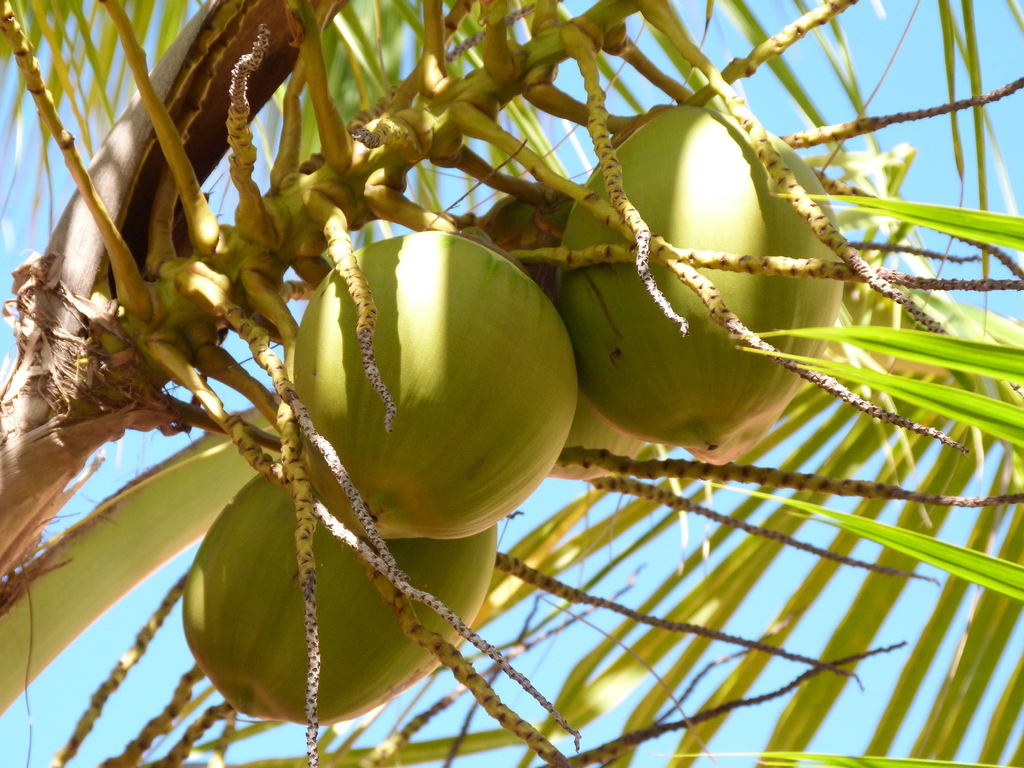
Large ovoid drupe 20–30 cm with a smooth green, yellow or orange skin, a thick fibrous husk (coir) and a hard brown shell with three 'eyes', holding white meat and clear water.
Seed
10–15 cm (shelled)
The 'coconut' of the market is the seed inside its hard, hairy brown endocarp, round, 10–15 cm across, with three dark germination pores at one end; inside is a layer of white endosperm (meat) and liquid endosperm (water)
- Dispersal
- Ocean currents and humans
- Germination
- Lay a whole mature husked nut on its side, half-buried in moist sandy soil in warm shade; shoots in 3–6 months
How to grow it
Hardiness (USDA zones)
USDA 10b–12. Survives winters down to about -1 °C.
- Light
- Full sun
- Water
- Moderate–high; tolerates brackish water
- Soil
- Sandy, well-drained; tolerates salinity, pH 5–8
- Propagation
- Whole mature nuts (seed)
- To harvest
- Dwarf varieties 3–4 years; tall varieties 6–10 years
- Climates
- Tropical coastal, Humid tropical
- 1Choose a fully mature nut that sloshes when shaken; soak for 2–3 days, then half-bury it on its side in sandy soil.
- 2When the shoot is 30–60 cm and roots emerge, transplant into a large hole in full sun, keeping the nut at soil level.
- 3Water regularly for the first two years and mulch with old husks, which hold moisture.
- 4Feed with potassium-rich fertiliser; remove dead fronds and old nuts safely.
- 5Harvest green nuts at 6–7 months for water, or let them ripen and fall at about 12 months for mature meat.
Can it grow where you are?
Where it lives
Recorded sightings
—
geo-referenced records in GBIF, from museums, herbaria and field observers.
Native range
Indo-Pacific; domesticated separately in the Pacific and South Asia; now pantropical on coasts
Drag the globe to turn it. Dots are where records exist, not a range map; darker means more records.
In the old herbals & bestiaries
Woodcuts and engravings matched from the Source Library’s scanned books by name. Plates marked “relative” show a close kin rather than this exact species. Click a plate to read the page it came from, with translation.

Garden of Malabar, Vol. 1
Hendrik van Rheede · 1683 · p.21

Garden of Malabar, Vol. 1
Hendrik van Rheede · 1683 · p.24

The Ambonese Herbal (Herbarium Amboinense), Vol. 1
Georg Eberhard Rumphius · 1741 · p.55

Itinerary, Voyage or Ship-travel to the East or Portuguese Indies
Jan Huyghen van Linschoten · 1595 · p.198

The Ambonese Herbal (Herbarium Amboinense), Vol. 1
Georg Eberhard Rumphius · 1741 · p.46

Ten Books of Exotic Things
Carolus Clusius · 1605 · p.211

Ortus sanitatis
1491 · p.288

Garden of Health (Hortus Sanitatis)
Jacob Meydenbach · 1491 · p.235

Garden of Health
1507 · p.233

Illustrated Herbal Primer
Chen Jiamo (陳嘉謨) · 1628 · p.249
In the stacks
Searching the stacks…
Every page naming Cocos nucifera in the Biodiversity Heritage Library →
Marginalia
In Hindu ritual a coconut is broken before the deity as an offering, symbolising the breaking of the ego, and Tamil and Malayali tradition calls it the 'kalpavriksha', the wish-fulfilling tree. Marco Polo described the 'nux indica' in the 13th century.
Curiosity
The word 'coco' comes from Portuguese for a grinning face or goblin, after the three dark eyes on the shell.
Kinship

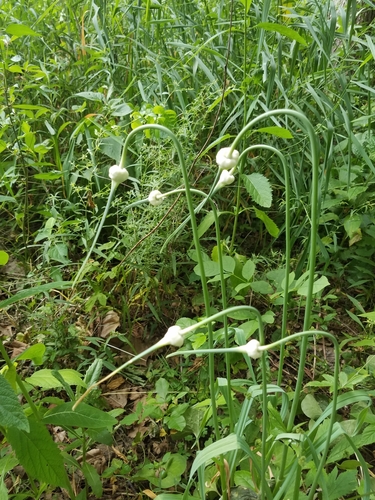
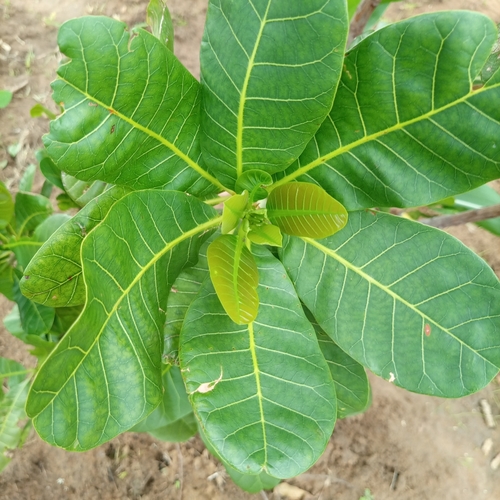
Photographs: iNaturalist contributors under the licences shown. Records: GBIF.org. Historical plates: Source Library (CC BY-SA 4.0; originals public domain). Summary text: Nature Library editors and Wikipedia (CC BY-SA). Medicinal and edibility notes are historical and educational, not advice. iNaturalist taxon 48865.