 NL·0002
Herbarium of the Nature Library
- Name
- Lithops lesliei
- Family
- Aizoaceae
- Native to
- Grasslands and rocky outcrops of northern South Africa (Gauteng, North West, Free State, Limpopo, Northern Cape) and edges of Botswana
- Habitat
- Highveld grassland, Rocky outcrops
Leslie's living stone
Lithops lesliei
Also calledBeeskloutjie ('cattle hoof', Afrikaans) · Klipblom ('stone flower', Afrikaans) · Living stone (English) · Pebble plant (English) · 生石花 shēngshíhuā (Chinese)
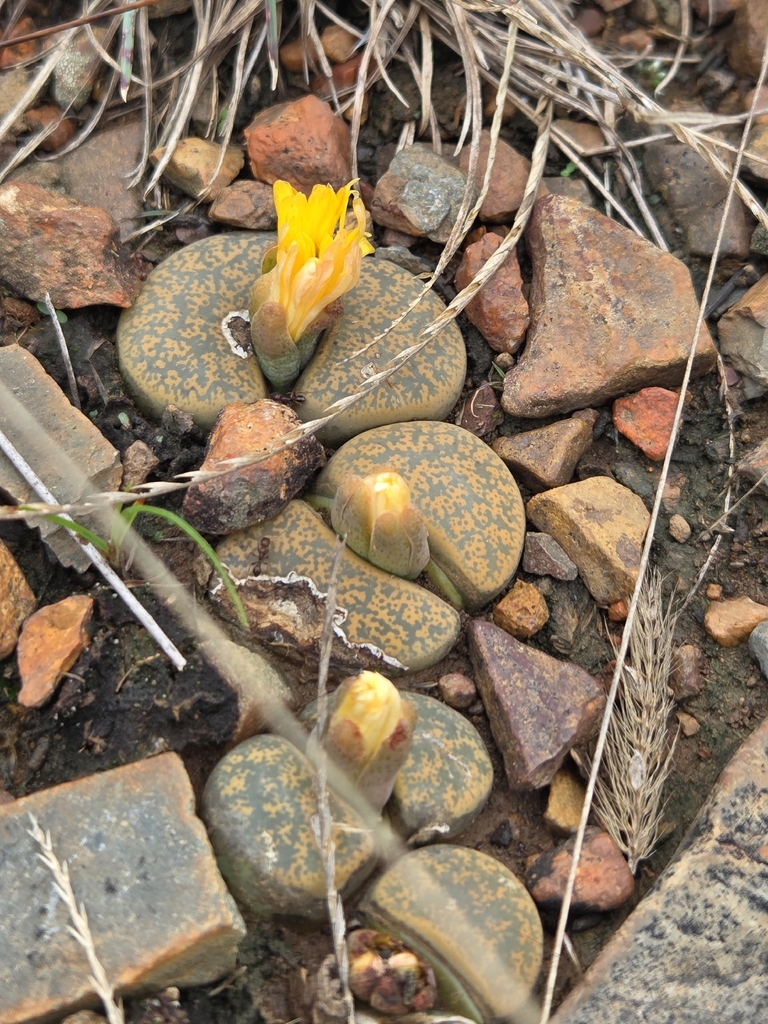
A plant disguised as a pebble. Each Lithops is just a pair of fat, fused leaves sunk in the ground, with only patterned 'windows' at the top showing. Light enters through these windows and lights up the inside of the leaf, letting it photosynthesise while staying mostly buried.
Lithops lesliei is a species of plant in the family Aizoaceae. The plant is collected for its medicinal properties, and has therefore become threatened. Wikipedia
What it can do
- iCamouflages as stones, with colours that match the local rock
- iiLets light into the leaf through translucent 'windows' on top while the rest of the body stays below ground
- iiiEach year grows a new pair of leaves inside the old, which then shrivels and is absorbed
- ivIts seed capsules open only when wet, so raindrops splash seeds out
At the table
Not eaten.
Fruit & seed
Fruit
Hygrochastic capsule
Ripens: After autumn flowering
Small capsules that open when wet and close as they dry.
Seed
~0.5 mm
Dust-like brown seeds
- Dispersal
- Raindrop splash
- Germination
- Surface-sow on gritty mix, keep humid at 15–25 °C; 1–3 weeks
How to grow it
Hardiness (USDA zones)
USDA 10–11 (or sunny windowsill). Survives winters down to about -1 °C.
- Light
- Full sun to very bright light
- Water
- Very low; water in summer and autumn growth, none while old leaves are being absorbed
- Soil
- Mostly mineral grit (pumice, sand) with a little compost
- Propagation
- Seed, rarely division
- To harvest
- Flowers (yellow daisies) after 3–4 years
- Climates
- Arid, Semi-arid
- 1Surface-sow seed on fine grit and cover to hold humidity
- 2Gradually reduce humidity as seedlings grow
- 3Water during summer–autumn growth; stop while new leaves are emerging
- 4Overwatering is the main cause of death: the old leaves split and rot
Can it grow where you are?
Where it lives
Recorded sightings
—
geo-referenced records in GBIF, from museums, herbaria and field observers.
Native range
Grasslands and rocky outcrops of northern South Africa (Gauteng, North West, Free State, Limpopo, Northern Cape) and edges of Botswana
Drag the globe to turn it. Dots are where records exist, not a range map; darker means more records.
In the old herbals & bestiaries
No plate in the Source Library names this exact species, so these show its closest relatives as the old naturalists drew them: same genus, or the same kind of plant. Click a plate to read the page it came from, with translation.

Posthumous Works (Opera Posthuma)
Relative · Marcello Malpighi · 1697 · p.23

Notable Commentaries on the History of Plants
Relative · Leonhart Fuchs · 1542 · p.934

Stahl, Georg Ernst: D. Georg. Ern. Stahlii, Consiliarii Et Archiatri Regii. Borussici Primarii, Fvndamenta Chymico-Pharmacevtica Generalia
Relative · Stahl, Georg Ernst · 1721 · p.1

Constantinople Painted by Warwick Goble
Relative · Alexander Van Millingen · 1906 · p.215

Commentaries on the Six Books of Pedanius Dioscorides on Medical Matter
Relative · Pietro Andrea Mattioli · 1565 · p.1287

Sacred Physics
Relative · Scheuchzer, Johan Jacob · 1728 · p.308

Commentaries on the Six Books of Pedanius Dioscorides on Medical Matter
Relative · Pietro Andrea Mattioli · 1565 · p.272

欽定西清硯譜·卷二十二~卷二十三 (vol 12)
Relative · 于敏中 · n.d. · p.13

Ortus sanitatis
Relative · 1491 · p.346

Garden of Health
Relative · Jacob Meydenbach · 1491 · p.783
In the stacks
Searching the stacks…
Every page naming Lithops lesliei in the Biodiversity Heritage Library →
Marginalia
Named after Thomas Leslie, an amateur botanist who collected it near Pietersburg (now Polokwane) in 1912. Afrikaans farmers called Lithops 'beeskloutjies' because their split shape looks like a cow's hoof print.
Curiosity
Lithops are so well hidden that many species were found only when the plants were flowering.
Kinship
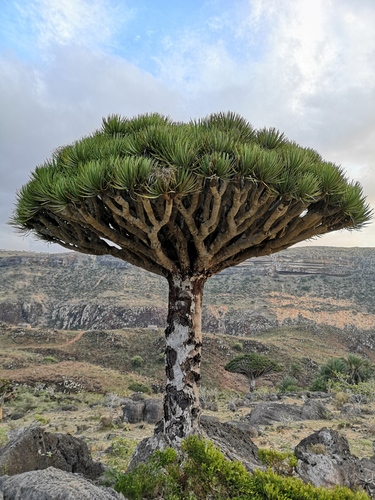
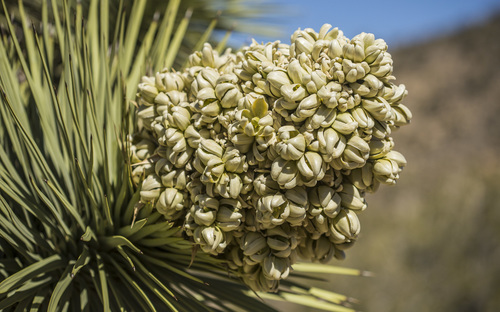
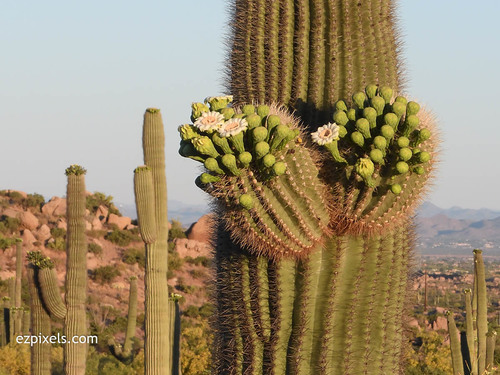
Photographs: iNaturalist contributors under the licences shown. Records: GBIF.org. Historical plates: Source Library (CC BY-SA 4.0; originals public domain). Summary text: Nature Library editors and Wikipedia (CC BY-SA). Medicinal and edibility notes are historical and educational, not advice. iNaturalist taxon 589278.