 NL·0220
Herbarium of the Nature Library
- Name
- Gyps fulvus
- Family
- Accipitridae
- Native to
- Southern Europe, North Africa, Middle East and Central Asia to India
- Habitat
- Mountains, Steppe, Mediterranean scrub
On eBird ↗
Eurasian Griffon
Live sightings near you, the range map, bar charts of when it is seen, and Macaulay Library photos and recordings.
Griffon vulture
Gyps fulvus
Also calledNesher (Hebrew) · Nasr (Arabic) · Gidh (Hindi) · Buitre leonado (Spanish) · Wùjiù (Chinese, 兀鹫)
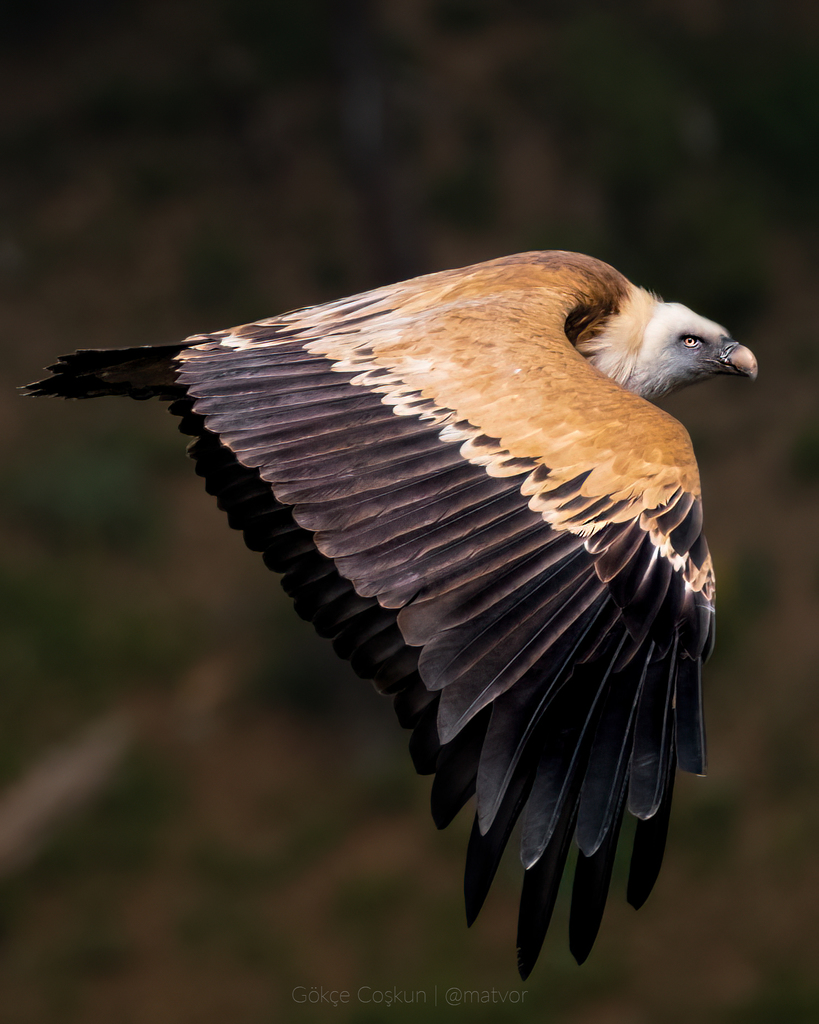
A huge, pale-brown vulture that soars on thermals over mountains, finding carcasses by watching other vultures. Colonies clean up dead livestock and wildlife, reducing disease.
The Eurasian griffon vulture is a large Old World vulture in the bird of prey family Accipitridae. It is also known as the Eurasian griffon or griffon vulture, although the latter term is sometimes used for the genus Gyps as a whole. Wikipedia
What it can do
- iSoars for hours on thermals with barely a wingbeat
- iiA group can strip a carcass in under an hour
- iiiExtremely acidic stomach kills many pathogens in rotting meat
- ivSpots feeding vultures from kilometres away and follows them
In the field
Field marks
- aHuge vulture with pale sandy-brown body
- bWhite fluffy neck ruff and pale head
- cDark flight feathers contrasting with paler wing coverts
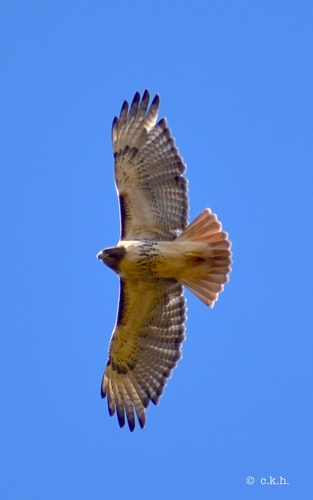
- dSoars on long, broad, 'fingered' wings
- Voice
- Hisses, grunts and cackles at carcasses
- Not to be confused with
- Cinereous vulture is darker all over. Rüppell's vulture (Africa) has scaly, pale-edged feathers. Egyptian vulture is smaller and white with black flight feathers.
- Where to see it
- Monfragüe National Park (Spain), Gorges du Verdon (France), and the Strait of Gibraltar on migration
- When
- Resident; young birds cross the Strait of Gibraltar in autumn
Listen
Looking for field recordings…
Life & habits
- Diet
- Carrion of large mammals
- Habitat
- Open mountainous country with cliffs for nesting
- Size
- 93–122 cm; wingspan 2.3–2.8 m
- Lifespan
- Up to ~40 years
Nests in cliff colonies, laying a single egg each year.
Where it lives
Recorded sightings
—
geo-referenced records in GBIF, from museums, herbaria and field observers.
Native range
Southern Europe, North Africa, Middle East and Central Asia to India
Drag the globe to turn it. Dots are where records exist, not a range map; darker means more records.
In the old herbals & bestiaries
Woodcuts and engravings matched from the Source Library’s scanned books by name. Plates marked “relative” show a close kin rather than this exact species. Click a plate to read the page it came from, with translation.

In the stacks
Searching the stacks…
Every page naming Gyps fulvus in the Biodiversity Heritage Library →
Marginalia
The 'eagle' (nesher) of the Hebrew Bible is likely the griffon vulture, and Tibetan and Zoroastrian sky burials relied on vultures. It was reintroduced to France's Grands Causses in the 1980s.
Curiosity
The veterinary drug diclofenac, deadly to Gyps vultures, wiped out over 95% of India's related vultures in the 1990s.
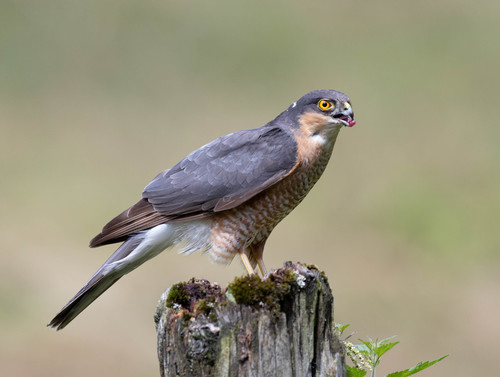
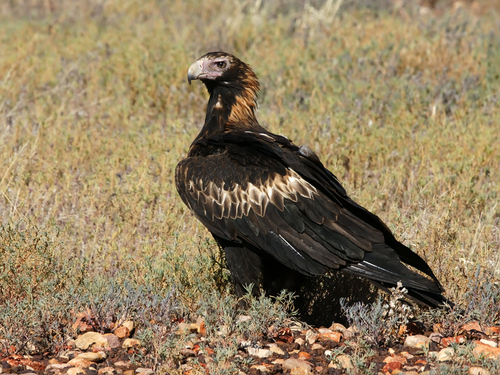
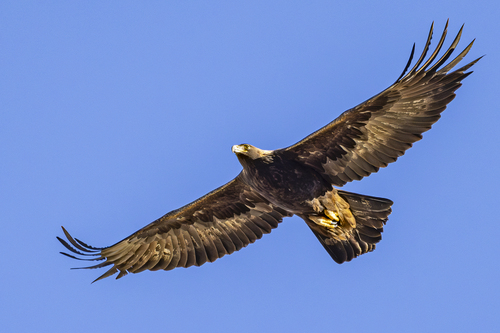
Kinship


Fact-checked: 1 correction made to this sheet. Photographs: iNaturalist contributors under the licences shown. Records: GBIF.org. Historical plates: Source Library (CC BY-SA 4.0; originals public domain). Summary text: Nature Library editors and Wikipedia (CC BY-SA). Medicinal and edibility notes are historical and educational, not advice. iNaturalist taxon 5366.