- Animals
- ›Arthropods
- ›Hexapods
- ›Insects
- ›Winged and Once-winged Insects
- ›Ants, Bees, Wasps, and Sawflies
- ›Narrow-waisted Wasps, Ants, and Bees
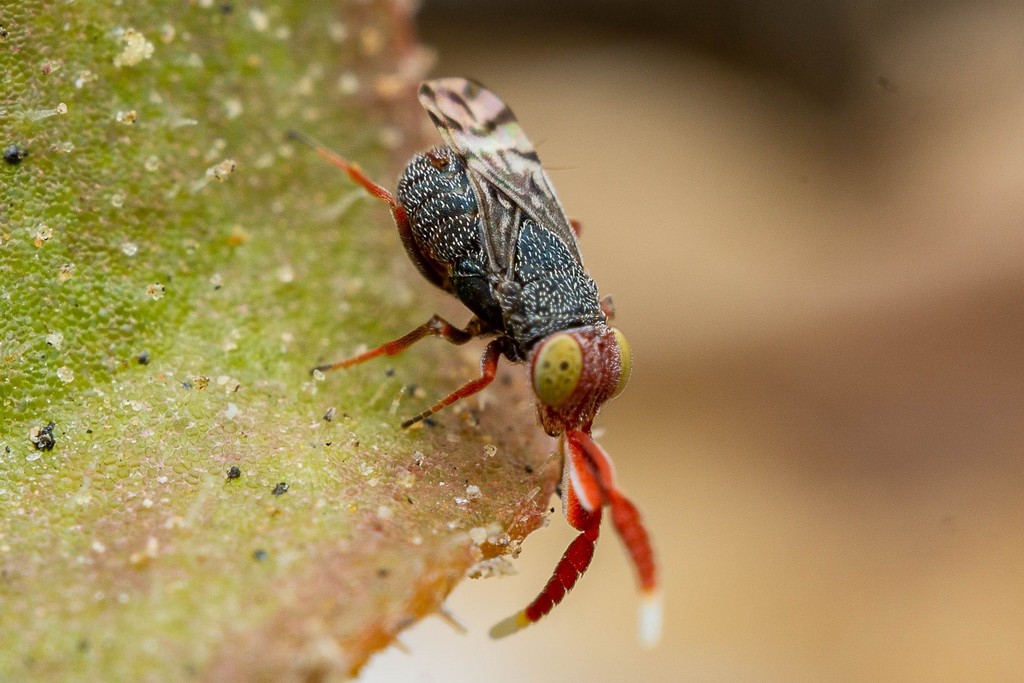
Proctotrupomorpha
Apocrita is a suborder of insects in the order Hymenoptera. It includes wasps, bees, and ants, and consists of many families. It is distinguished from Symphyta by the narrow "waist" (petiole) formed between the first two segments of the actual abdomen; the first abdominal segment is fused to the thorax, and is called the propodeum. Therefore, it is general practice, when discussing the body of an apocritan in a technical sense, to refer to the mesosoma and metasoma (or gaster) rather than the "thorax" and "abdomen", respectively. The evolution of a constricted waist was an important adaption for the parasitoid lifestyle of the ancestral apocritan, allowing more maneuverability of the female's ovipositor. The ovipositor either extends freely or is retracted, and may be developed into a stinger for both defense and paralyzing prey. Larvae are legless and blind, and either feed inside a host (plant or animal) or in a nest cell provisioned by their mothers.
Apocrita has historically been split into two groups, Parasitica and Aculeata. Aculeata is a clade whose name is in standard use. "Parasitica" is not a clade, as it is paraphyletic: the clade would contain the Aculeata. "Parasitica" is therefore a rankless grouping in many present classifications, if it appears at all.
6 branches of this group, most-observed first

Gall Wasps and Allies
superfamilyCynipoidea

Chalcidoid Wasps
superfamilyChalcidoidea
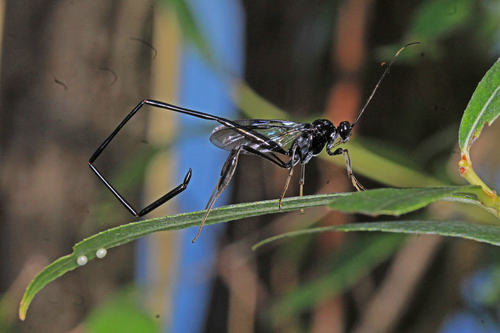
Proctotrupoidea
superfamilyProctotrupoidea
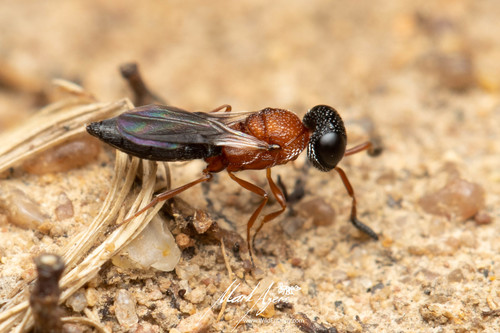
Platygastroidea
superfamilyPlatygastroidea
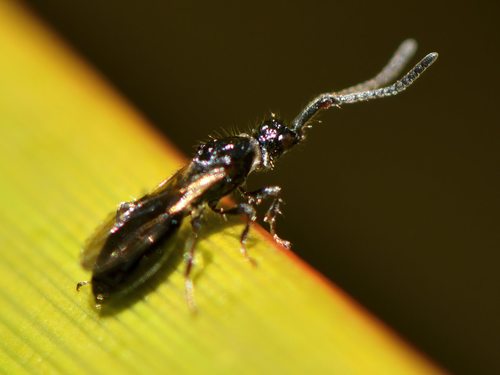
Diaprioidea
superfamilyDiaprioidea

Mymarommatoidea
superfamilyMymarommatoidea
Where it lives
Recorded sightings
—
geo-referenced records in GBIF, from museums, herbaria and field observers.
Drag the globe to turn it. Dots are where records exist, not a range map; darker means more records.
In the stacks
Searching the stacks…
Every page naming Proctotrupomorpha in the Biodiversity Heritage Library →
This page is assembled live from iNaturalist, GBIF, Wikipedia, the Source Library and the Internet Archive. It is not yet part of the hand-edited codex. iNaturalist taxon 981280.