- Plants
- ›Vascular Plants
- ›flowering plants
- ›Dicots
- ›Sunflowers, Bellflowers, Fanflowers, and Allies
- ›Sunflowers, Daisies, Asters, and Allies
- ›chicories, dandelions, and allies
- ›Lettuce, Chicory, Dandelion and Salsify Tribe
- ›dandelions, hawksbeards, and rattlesnake roots
- ›Taraxacum
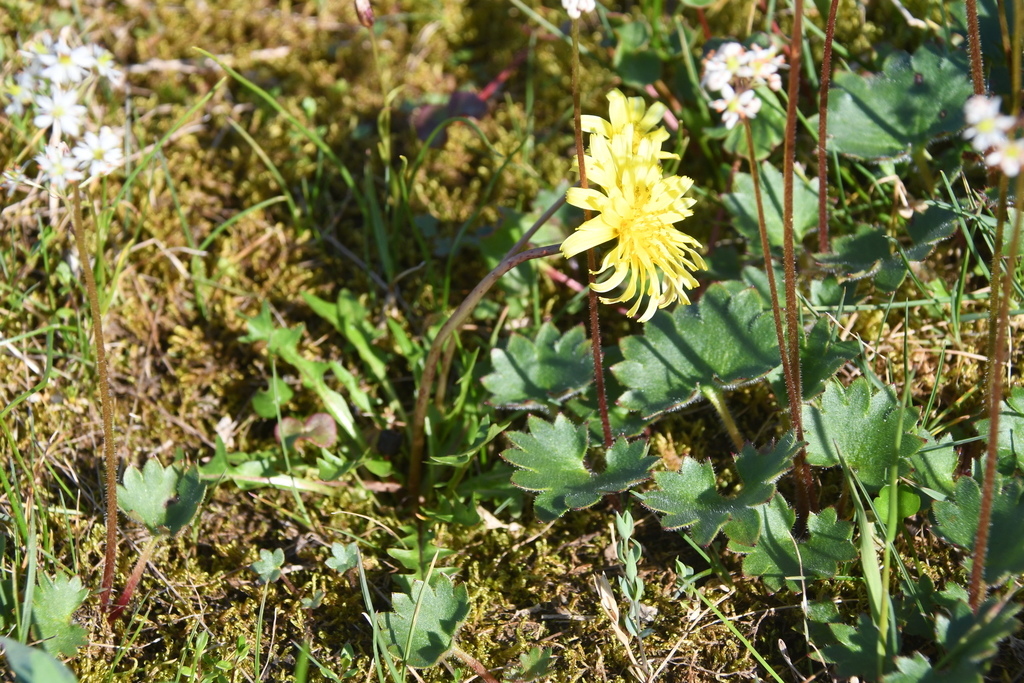
Glabra
This list of Latin and Greek words commonly used in systematic names is intended to help those unfamiliar with classical languages to understand and remember the scientific names of organisms. The binomial nomenclature used for animals and plants is largely derived from Latin and Greek words, as are some of the names used for higher taxa, such as orders and above. At the time when biologist Carl Linnaeus (1707–1778) published the books that are now accepted...
2 branches of this group, most-observed first
See this branch on the Wheel of Life →
Where it lives
Recorded sightings
—
geo-referenced records in GBIF, from museums, herbaria and field observers.
Drag the globe to turn it. Dots are where records exist, not a range map; darker means more records.
In the old herbals & bestiaries

The Great Herbary with all the figures of the herbs
1532 · p.186

On Medical Materials in Six Books
Dioscorides · 1550 · p.357

Compendium of Materia Medica
李時珍 · 1596 · p.30

Description of the Plants of America
Charles Plumier · 1693 · p.137

Description of the Plants of America
Charles Plumier · 1693 · p.138

Treatise on the Ferns of America
Charles Plumier · 1705 · p.303

Treatise on the Ferns of America
Charles Plumier · 1705 · p.453

Treatise on the Ferns of America
Charles Plumier · 1705 · p.309

Christoph Jakob Trew — Uitgezochte planten (1771)
Christoph Jakob Trew · 1771 · p.263

Illustrated Compendium of Materia Medica (Vol. 19)
吳其濬 · 1848 · p.5
In the stacks
Searching the stacks…
Every page naming Glabra in the Biodiversity Heritage Library →
This page is assembled live from iNaturalist, GBIF, Wikipedia, the Source Library and the Internet Archive. It is not yet part of the hand-edited codex. iNaturalist taxon 967679.