- Animals
- ›Chordates
- ›Vertebrates
- ›Ray-finned Fishes
- ›Spiny-rayed fishes
- ›Perches, Scorpionfishes, Sticklebacks, and Allies
- ›Sculpins and Allies
- ›Typical Sculpins
Kessler's Sculpins
Leocottus
Kessler's sculpin (Leocottus kesslerii) is a species of Baikal sculpin, a freshwater fish native to Russia and Mongolia where it occurs in Lake Baikal and surrounding lakes as well as the Selenga, Angara and Bain Gol rivers. It is the only member of its genus. In Lake Baikal it occurs on sandy, rocky-sandy or sandy-muddy bottoms, ranging from relatively shallow water to depths of 70 m (230 ft). In rivers they mainly occur in slow-flowing channels and floodplains.
This species grows to a total length of 14 cm (5.5 in), but typically is 9–11 cm (3.5–4.3 in). Adults are crepuscular, and feed on gammarids, chironomids, and young fish. Spawning takes place in May to June at 3–5 m (9.8–16.4 ft) depths. Eggs are deposited under stones, and the male stays guarding the eggs. The pelagic larvae feed on plankton.
1 branches of this genus, most-observed first · about 1 known species
See this branch on the Wheel of Life →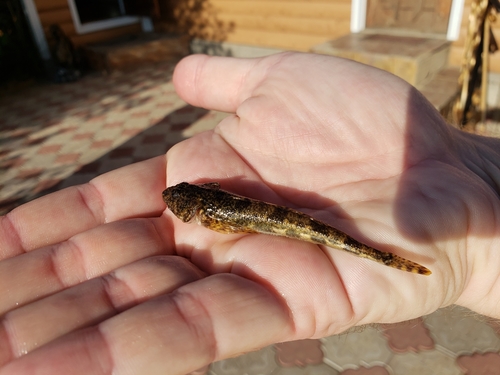
Where it lives
Recorded sightings
—
geo-referenced records in GBIF, from museums, herbaria and field observers.
Drag the globe to turn it. Dots are where records exist, not a range map; darker means more records.
In the stacks
Searching the stacks…
Every page naming Leocottus in the Biodiversity Heritage Library →
This page is assembled live from iNaturalist, GBIF, Wikipedia, the Source Library and the Internet Archive. It is not yet part of the hand-edited codex. iNaturalist taxon 89387.