- Animals
- ›Chordates
- ›Vertebrates
- ›Ray-finned Fishes
- ›Spiny-rayed fishes
- ›Lanterneyes, fangtooths and allies

Lanterneye Fishes
Anomalopidae
Anomalopidae (lanterneye fishes or flashlight fishes) are a family of fish distinguished by bioluminescent organs located underneath their eyes, for which they are named. These light organs contain luminous bacteria and can be "shut off" by the fish using either a dark lid or by being drawn into a pouch. They are used to communicate, attract prey, and evade predators.
Flashlight fish are found in tropical ocean waters across the world. They are typically about 14 cm (5.5 in) in size, although some species can reach twice this length. They are nocturnal, feeding at night on small crustaceans. Some species move to shallow waters near coral reefs at night, but otherwise, they are exclusively deep water fish. This tends to make their collection difficult, and as such they are a poorly understood group.
6 branches of this family, most-observed first · about 9 known species

Photoblepharon
genusPhotoblepharon

Anomalops
genusAnomalops
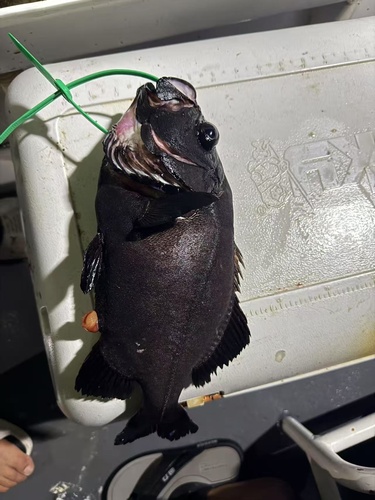
Protoblepharon
genusProtoblepharon
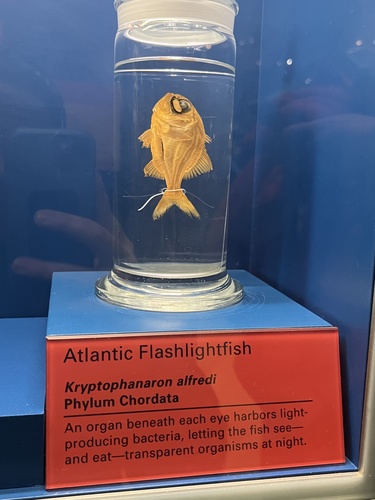
Kryptophanaron
genusKryptophanaron
Phthanophaneron
genusPhthanophaneron
Parmops
genusParmops
Where it lives
Recorded sightings
—
geo-referenced records in GBIF, from museums, herbaria and field observers.
Drag the globe to turn it. Dots are where records exist, not a range map; darker means more records.
In the stacks
Searching the stacks…
Every page naming Anomalopidae in the Biodiversity Heritage Library →
This page is assembled live from iNaturalist, GBIF, Wikipedia, the Source Library and the Internet Archive. It is not yet part of the hand-edited codex. iNaturalist taxon 85582.