 NL·0123
Herbarium of the Nature Library
- Name
- Piper nigrum
- Family
- Piperaceae
- Native to
- Western Ghats, south-west India (Malabar Coast); cultivated in Vietnam, Indonesia, Brazil, India, Sri Lanka and Malaysia
- Habitat
- Tropical evergreen forest, Spice gardens and agroforests
Black pepper
Piper nigrum
Also calledKali mirch (Hindi/Urdu) · Marica (Sanskrit) · Milagu (Tamil) · Kurumulaku (Malayalam) · Filfil aswad (Arabic) · Hújiāo (Chinese) · Lada (Malay/Indonesian) · Pilipili manga (Swahili)
A woody climbing vine from the Western Ghats of Kerala whose dried berries are the world's most traded spice. Black, white, green and red peppercorns all come from the same plant, harvested and processed differently.
Black pepper is a flowering vine in the family Piperaceae, cultivated for its fruit, which is usually dried and used as a spice and seasoning. The fruit is a drupe (stonefruit) which is about 5 mm in diameter, dark red, and contains a stone which encloses a single pepper seed. Peppercorns and the ground pepper derived from them may be described simply as pepper, or more precisely as black pepper, green pepper, or white pepper. Wikipedia
What it can do
- iClimbs by roots at each node that grip tree bark
- iiPungency comes from piperine, which also increases absorption of curcumin and some drugs
- iiiSpikes of tiny flowers are self- and rain-pollinated
- ivVines produce for 20–30 years
At the table
Eatendried berries (black, white, green, red peppercorns) · fresh green berries (in Thai cooking)
Safe as a spice. Large amounts irritate the gut, and inhaled powder causes sneezing.
In the medicine cabinet
| Tradition | Use |
|---|---|
| Ayurveda | One of the 'trikatu' (three pungents, with long pepper and ginger) to kindle digestive fire and clear mucus |
| Unani / Arab medicine | Pepper for colds, coughs and as a digestive |
| Modern pharmacology | Piperine added to curcumin supplements to raise bioavailability |
Weight of evidence
Moderate. Some clinical trials with promising but limited or mixed results.
Active compounds
piperine, chavicine, β-caryophyllene, limonene, sabinene
Fruit & seed

Fruit
Drupe
Ripens: Harvested 6–8 months after flowering, usually in the dry season
Long hanging spikes 7–15 cm carrying 50–150 small round drupes, green ripening to red.


Seed
4–6 mm
Each peppercorn is a single-seeded drupe about 4–6 mm; black pepper is the wrinkled, dried unripe fruit; white pepper is the smooth, cream-grey seed with the outer skin removed
- Dispersal
- Birds
- Germination
- Sow fresh ripe red berries (pulp removed) 1 cm deep at 25–30 °C in shade; slow and erratic, 3–6 weeks. Cuttings preferred
Photographs from Wikimedia Commons under open licences; hover for the photographer, click for the file.
How to grow it
Hardiness (USDA zones)
Tropical only (USDA 11–12); houseplant elsewhere. Survives winters down to about 4 °C.
- Light
- Partial shade
- Water
- High (2,000–3,000 mm rain), with good drainage
- Soil
- Rich, humus-laden, well-drained, pH 5.5–6.5
- Propagation
- Runner-shoot or stem cuttings of 2–3 nodes
- To harvest
- 3–4 years to first crop
- Climates
- Humid tropical, Monsoon tropical
- 1Root 2–3-node cuttings from runner shoots in shaded, moist potting mix.
- 2Plant beside a living support tree (e.g. Erythrina, Gliricidia, coconut, areca) or a rough post 3–4 m tall, in partial shade.
- 3Tie the vine to its support as it climbs; mulch heavily and feed with compost.
- 4Keep soil moist but never waterlogged — wet roots invite foot rot (Phytophthora).
- 5Pick whole spikes when 1–2 berries turn red; dry in the sun for 5–7 days until black and wrinkled, or soak ripe berries and rub off skins for white pepper.
Can it grow where you are?
Where it lives
Recorded sightings
—
geo-referenced records in GBIF, from museums, herbaria and field observers.
Native range
Western Ghats, south-west India (Malabar Coast); cultivated in Vietnam, Indonesia, Brazil, India, Sri Lanka and Malaysia
Drag the globe to turn it. Dots are where records exist, not a range map; darker means more records.
In the old herbals & bestiaries
Woodcuts and engravings matched from the Source Library’s scanned books by name. Plates marked “relative” show a close kin rather than this exact species. Click a plate to read the page it came from, with translation.

Garden of Health
1507 · p.269

Ten Books of Exotic Things
Carolus Clusius · 1605 · p.39

Flora Sinensis (Chinese-Latin Natural History)
Michał Boym · 1656 · p.55

Tractado de las Drogas y Medicinas de las Indias Orientales
Cristóvão da Costa · 1578 · p.50

Ten Books of Exotic Things
Carolus Clusius · 1605 · p.204

Hortus Eystettensis
Basilius Besler · 1640 · p.351

De Indiae utriusque re naturali et medica
Willem Piso · 1658 · p.253

Commentaries on the Six Books of Pedanius Dioscorides on Medical Matter
Pietro Andrea Mattioli · 1565 · p.746

Tractado de las Drogas y Medicinas de las Indias Orientales
Cristóvão da Costa · 1578 · p.51

Hortus Eystettensis
Basilius Besler · 1640 · p.350
In the stacks
Searching the stacks…
Every page naming Piper nigrum in the Biodiversity Heritage Library →
Marginalia
Peppercorns were stuffed in the nostrils of Ramesses II's mummy (died 1213 BCE). Alaric the Visigoth demanded 3,000 pounds of pepper as part of the ransom of Rome in 408 CE, and Vasco da Gama's 1498 arrival in Calicut was driven by the pepper trade.
Curiosity
In medieval Europe pepper was so valuable it was used to pay rent — the origin of the term 'peppercorn rent'.
Kinship


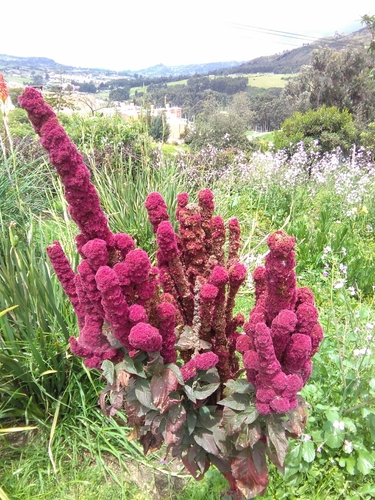
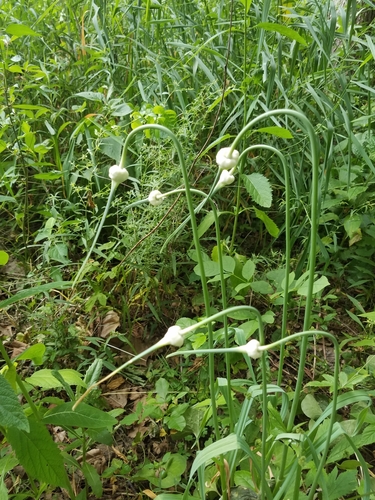


Photographs: iNaturalist contributors under the licences shown. Records: GBIF.org. Historical plates: Source Library (CC BY-SA 4.0; originals public domain). Summary text: Nature Library editors and Wikipedia (CC BY-SA). Medicinal and edibility notes are historical and educational, not advice. iNaturalist taxon 83583.