 NL·0380
Herbarium of the Nature Library
- Name
- Garrulus glandarius
- Family
- Corvidae
- Native to
- Europe, North Africa, Turkey, the Middle East, the Caucasus and Central Asia, across Asia to Japan and Southeast Asia
- Habitat
- Temperate forest, Woodland, Gardens and parks
On eBird ↗
Eurasian Jay
Live sightings near you, the range map, bar charts of when it is seen, and Macaulay Library photos and recordings.
Eurasian jay
Garrulus glandarius
Also calledAbu zurayq (Arabic) · Alakarga (Turkish) · Eichelhäher (German) · Geai des chênes (French) · Arrendajo (Spanish) · Gaai (Dutch)
A colourful, shy woodland crow, pinkish-brown with a white rump and a dazzling blue-barred wing patch. Each autumn it buries thousands of acorns, and the ones it forgets grow into new oak woods.
The Eurasian jay is a species of passerine bird in the family Corvidae. It has pinkish brown plumage with a black stripe on each side of a whitish throat, a bright blue panel on the upper wing and a black tail. The Eurasian jay is a woodland bird that occurs over a vast region from western Europe and north-west Africa to the Indian subcontinent and farther to the eastern seaboard of Asia and down into south-east Asia. Wikipedia
What it can do
- iA single jay may cache several thousand acorns in an autumn
- iiRemembers cache locations months later, even under snow
- iiiIts forgotten caches are a major means by which oaks spread uphill and into open land
- ivSkilled mimic of other birds, especially buzzards and owls
In the field
Field marks
- aPinkish-buff body with a bright white rump contrasting with a black tail
- bBlue-and-black barred patch on the wing
- cBlack moustache stripe and streaked crest
- dFloppy, rounded wings in flight
- Voice
- A harsh, tearing screech, 'skaaak', the alarm call of the woods; also soft mewing and mimicry.
- Not to be confused with
- No other European bird combines the white rump and blue wing patch. Hoopoe also shows a black-and-white pattern in flight but has a long, curved bill and fan crest. Middle Eastern races have a black crown.
- Where to see it
- Oak woods throughout Europe, most visible in September–October when carrying acorns.
- When
- Resident; occasional large irruptions in autumn when acorn crops fail
Listen
Looking for field recordings…
Life & habits
- Diet
- Acorns, beechmast and other seeds; insects, eggs and nestling birds in summer
- Habitat
- Oak and mixed woodland, parks, large gardens
- Size
- 34–35 cm; wingspan 52–58 cm; 140–190 g
- Lifespan
- Typically about 4–5 years
Carries several acorns at once in its throat pouch and bill, pushing each into the ground and covering it with leaves.
Where it lives
Recorded sightings
—
geo-referenced records in GBIF, from museums, herbaria and field observers.
Native range
Europe, North Africa, Turkey, the Middle East, the Caucasus and Central Asia, across Asia to Japan and Southeast Asia
Drag the globe to turn it. Dots are where records exist, not a range map; darker means more records.
In the old herbals & bestiaries
Woodcuts and engravings matched from the Source Library’s scanned books by name. Plates marked “relative” show a close kin rather than this exact species. Click a plate to read the page it came from, with translation.

Historiae Animalium Liber III: De Avium Natura
Conrad Gesner · 1555 · p.713

Ornithology
Ulisse Aldrovandi · 1599 · p.824

History of Animals, Book I: On Viviparous Quadrupeds
Conrad Gessner · 1554 · p.860

Ornithology: The History of Birds
Ulisse Aldrovandi · 1599 · p.823

Ornithologiae: de avibus historiae libri XII
Ulisse Aldrovandi · 1599 · p.808

Ornithologiae: de avibus historiae libri XII
Ulisse Aldrovandi · 1599 · p.813

Ornithology
Ulisse Aldrovandi · 1599 · p.826
In the stacks
Searching the stacks…
Every page naming Garrulus glandarius in the Biodiversity Heritage Library →
Marginalia
The specific name 'glandarius' means 'of acorns', and the blue wing feathers were sold to Victorian milliners and fly-tyers; jays were persecuted by gamekeepers as egg thieves.
Curiosity
Studies at Cambridge showed male jays choose food gifts for their mates based on what the female has recently been eating, suggesting they track another bird's desires.
Kinship
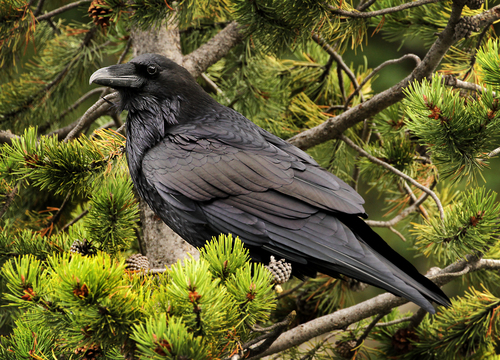

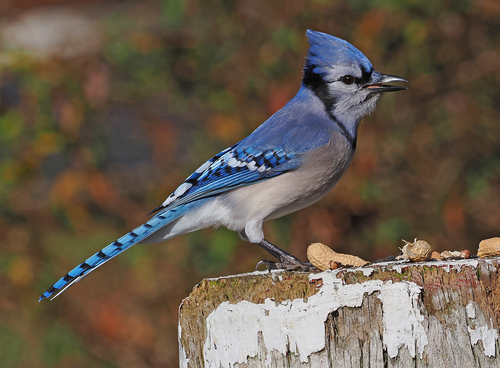
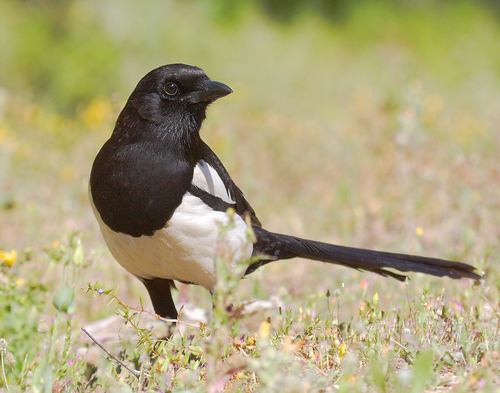
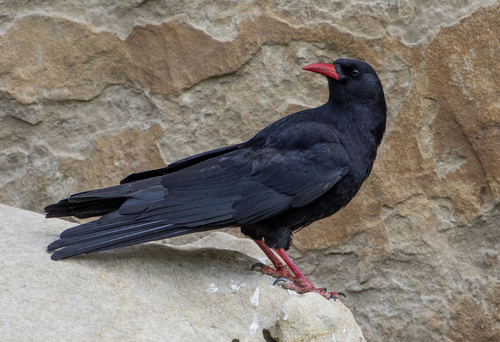
Photographs: iNaturalist contributors under the licences shown. Records: GBIF.org. Historical plates: Source Library (CC BY-SA 4.0; originals public domain). Summary text: Nature Library editors and Wikipedia (CC BY-SA). Medicinal and edibility notes are historical and educational, not advice. iNaturalist taxon 8088.