 NL·0377
Herbarium of the Nature Library
- Name
- Corvus corax
- Family
- Corvidae
- Native to
- Northern Hemisphere: North America, Europe, Asia and North Africa
- Habitat
- Mountains, Tundra, Desert, Forest, Coasts
On eBird ↗
Common Raven
Live sightings near you, the range map, bar charts of when it is seen, and Macaulay Library photos and recordings.
Common raven
Corvus corax
Also calledGhurāb (Arabic) · Dom kauwa (Hindi) · Hrafn (Old Norse) · Xuya (Haida) · Dùyā (Chinese, 渡鸦)
The largest songbird, an all-black corvid with problem-solving skills that rival great apes. It lives across the Northern Hemisphere from deserts to the high Arctic.
The common raven or northern raven is a large all-black passerine bird. It is the most widely distributed of all corvids, found across the Northern Hemisphere. There are 11 accepted subspecies with little variation in appearance, although recent research has demonstrated significant genetic differences among populations from various regions. It is one of the two largest corvids, alongside the thick-billed raven, and is the heaviest passerine bird; at maturity, the common raven averages 63 centimetres in length and 1.47 kilograms in weight, up to 2 kg (4.4 lb) in the heaviest individuals. Although their typical lifespan is considerably shorter, common ravens can live more than 23 years in the wild. Young birds may travel in flocks but later mate for life, with each mated pair defending a territory. Wikipedia
What it can do
- iPlans ahead and saves tools for later use (Kabadayi & Osvath 2017)
- iiCaches food and re-hides it when watched by rivals
- iiiMimics human speech and other sounds
- ivAssociates with wolves and human hunters to scavenge their kills
- vPlays, including sliding down snowy roofs
In the field
Field marks
- aAll-black, glossy, crow-like bird, much larger than crows
- bHeavy, deep bill
- cShaggy throat feathers
- dWedge-shaped tail in flight; often soars and tumbles
- Voice
- A deep, resonant croak 'prruk', plus a wide range of knocks and gurgles
- Not to be confused with
- Carrion and American crows are smaller with thinner bills, square tails and cawing calls; they rarely soar.
- Where to see it
- Mountain and coastal cliffs (e.g. Snowdonia, Wales); Yellowstone; a captive group at the Tower of London
- When
- Resident
Listen
Looking for field recordings…
Life & habits
- Diet
- Omnivore: carrion, small animals, eggs, grain, refuse
- Habitat
- Almost any open or wooded habitat
- Size
- 54–67 cm; wingspan up to 1.5 m
- Lifespan
- 10–15 years in the wild; over 40 in captivity
Young ravens gather in winter roosts and share information about food sources.
Where it lives
Recorded sightings
—
geo-referenced records in GBIF, from museums, herbaria and field observers.
Native range
Northern Hemisphere: North America, Europe, Asia and North Africa
Drag the globe to turn it. Dots are where records exist, not a range map; darker means more records.
In the old herbals & bestiaries
Woodcuts and engravings matched from the Source Library’s scanned books by name. Plates marked “relative” show a close kin rather than this exact species. Click a plate to read the page it came from, with translation.

History of Animals, Book I: On Viviparous Quadrupeds
Conrad Gessner · 1554 · p.523

Ornithology
Ulisse Aldrovandi · 1599 · p.729

De Indiae utriusque re naturali et medica
Willem Piso · 1658 · p.464

History of Animals, Book I: On Viviparous Quadrupeds
Conrad Gessner · 1554 · p.506

Ornithology: The History of Birds
Ulisse Aldrovandi · 1599 · p.726

De Piscibus Libri V et De Cetis Liber Unus
Ulisse Aldrovandi · 1661 · p.669

Noah's Ark
Athanasius Kircher · 1675 · p.131

The Secrets of Albertus Magnus on the Nature of Women and the Virtues of Herbs
Albertus, Magnus, Heiliger · 1604 · p.70

Ulyssis Aldrovandi ... Ornithologiae
Aldrovandi, Ulisse · 1610 · p.358
In the stacks
Searching the stacks…
Every page naming Corvus corax in the Biodiversity Heritage Library →
Marginalia
Odin's ravens Huginn and Muninn ('thought' and 'memory') flew over the world bringing him news, and Raven is the trickster-creator who released the sun in Haida and Tlingit stories. Legend holds that Britain will fall if the Tower of London's ravens leave.
Curiosity
In Genesis, Noah sends out a raven before the dove.
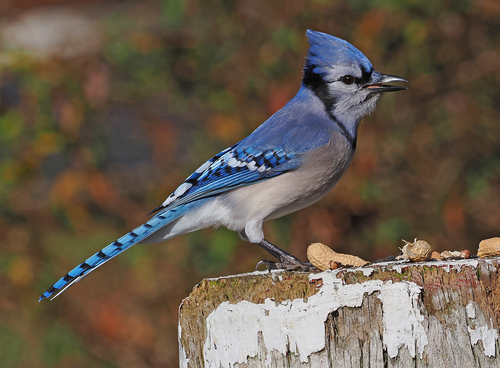
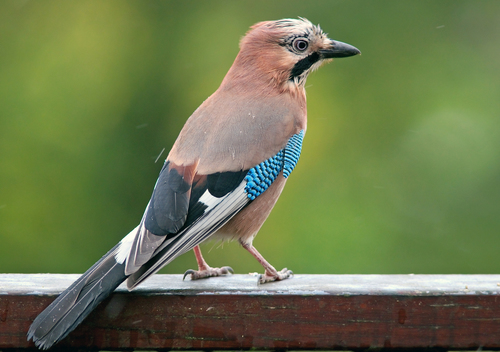
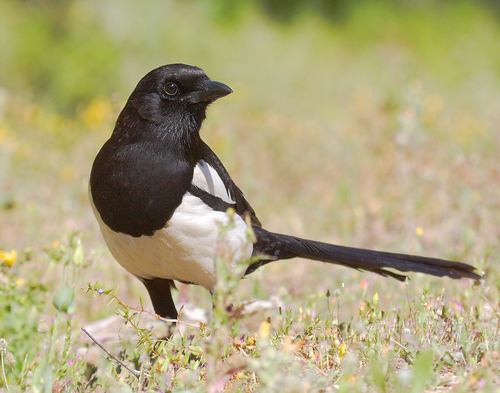
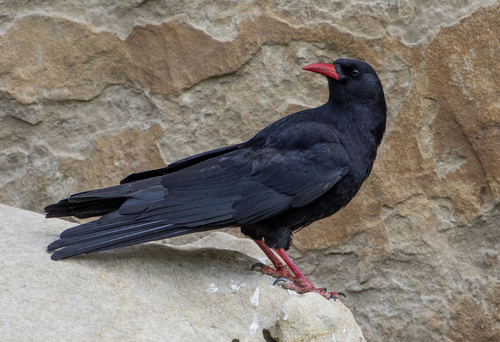
Kinship

Fact-checked: 1 correction made to this sheet. Photographs: iNaturalist contributors under the licences shown. Records: GBIF.org. Historical plates: Source Library (CC BY-SA 4.0; originals public domain). Summary text: Nature Library editors and Wikipedia (CC BY-SA). Medicinal and edibility notes are historical and educational, not advice. iNaturalist taxon 8010.