- Plants
- ›Vascular Plants
- ›flowering plants
- ›monocots
- ›Agaves, Orchids, Irises, and Allies
- ›iris family
- ›Iridoideae
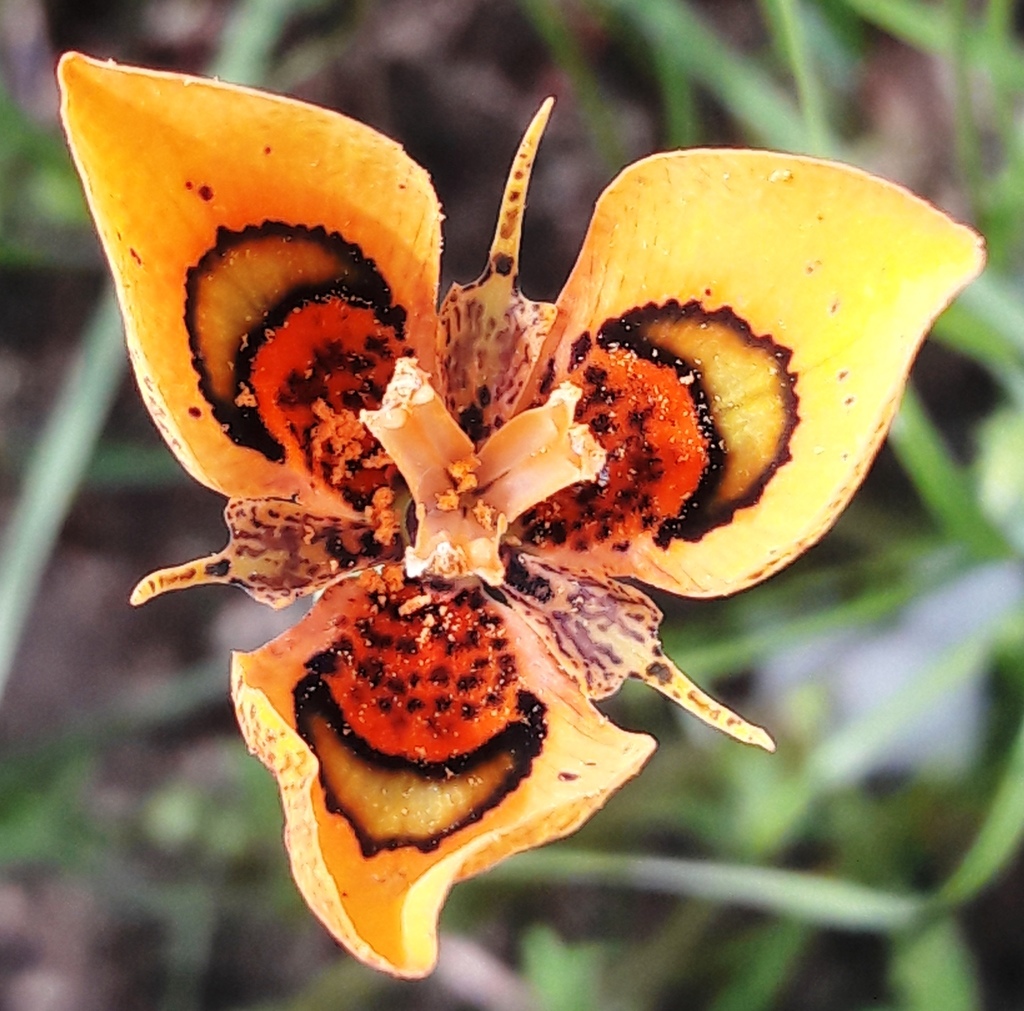
Irideae
Irideae is a tribe included in the well-known family Iridaceae. It contains many species in five genera which are widely distributed in the Old World. The tribe derives its name from Iris, which is the largest genus of the tribe.
The blooms, borne in an inflorescence and often scented, have six petals, these being identical only in the genus Ferraria. The ovary is 3-locular and contains seeds which are usually circular and pellet-like. Members of the tribe bear typically sword-shaped leaves and the rootstock is usually rhizome or corm. Only two subgenera of Iris have bulbs. These are Xiphium and Hermodactyloides.
5 branches of this tribe, most-observed first

Irises
genusIris
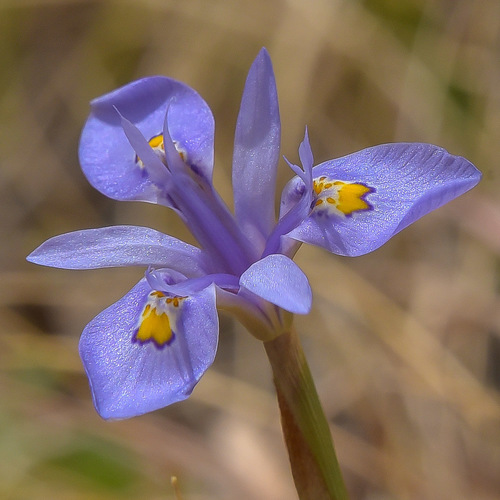
Cape Tulips
genusMoraea

Fortnight Lilies
genusDietes
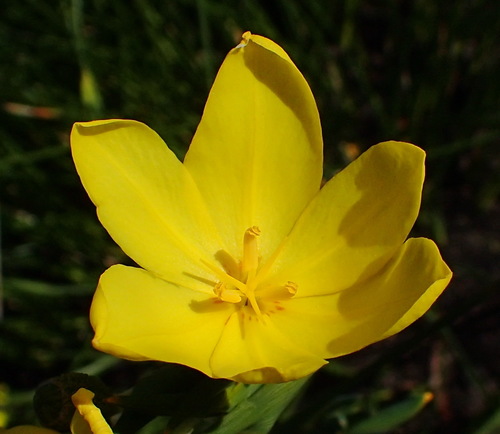
Rushirises
genusBobartia

Starfish lily
genusFerraria
Where it lives
Recorded sightings
—
geo-referenced records in GBIF, from museums, herbaria and field observers.
Drag the globe to turn it. Dots are where records exist, not a range map; darker means more records.
In the stacks
Searching the stacks…
Every page naming Irideae in the Biodiversity Heritage Library →
This page is assembled live from iNaturalist, GBIF, Wikipedia, the Source Library and the Internet Archive. It is not yet part of the hand-edited codex. iNaturalist taxon 790633.