- Animals
- ›Arthropods
- ›Hexapods
- ›Insects
- ›Winged and Once-winged Insects
- ›Ants, Bees, Wasps, and Sawflies
- ›Narrow-waisted Wasps, Ants, and Bees
- ›Ants, Bees, and Stinging Wasps
- ›Vespoid Wasps
- ›Hornets, Paper Wasps, Potter Wasps, and Allies
- ›Paper Wasps
- ›Mischocyttarini
- ›Mischocyttarus
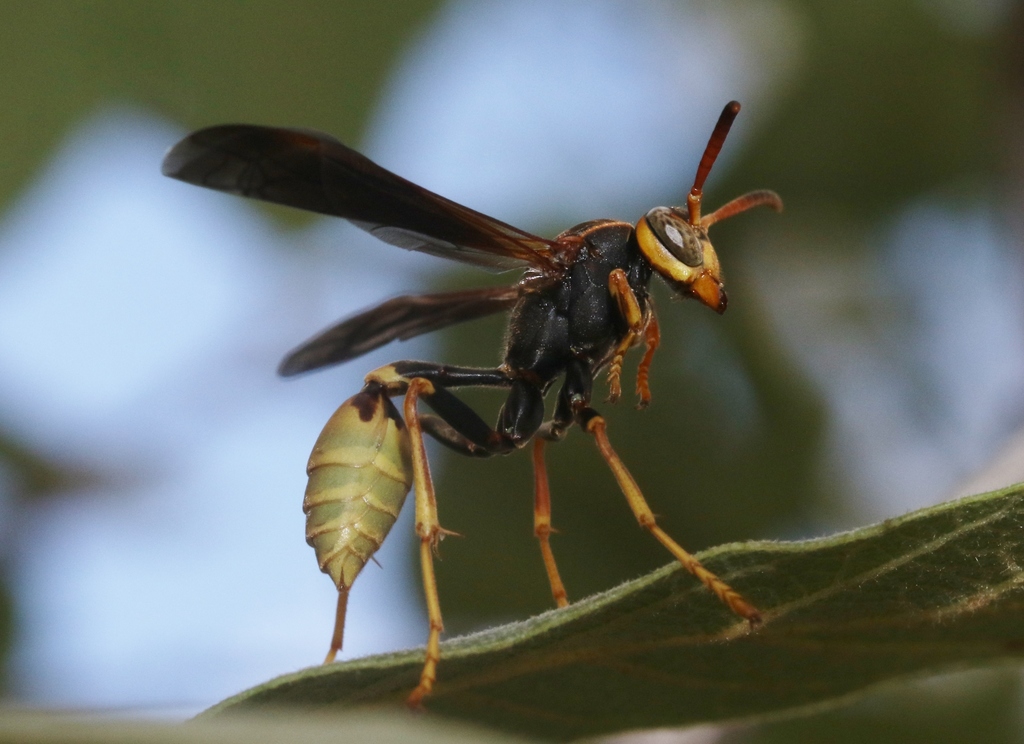
Phi
Phi ( FY, FEE; uppercase Φ, lowercase φ or ϕ; Ancient Greek: ϕεῖ pheî [pʰéî̯]; Modern Greek: φι fi [fi]) is the twenty-first letter of the Greek alphabet.
In Archaic and Classical Greek (c. 9th to 4th century BC), it represented an aspirated voiceless bilabial plosive ([pʰ]), which was the origin of its usual romanization as ⟨ph⟩. During the later part of Classical Antiquity, in Koine Greek (c. 4th century BC to 4th century AD), its pronunciation shifted to a voiceless bilabial fricative ([ɸ]), and by the Byzantine Greek period (c. 4th century AD to 15th century AD) it developed its modern pronunciation as a voiceless labiodental fricative ([f]).
10 branches of this group, most-observed first

Mischocyttarus flavitarsis
complexMischocyttarus flavitarsis
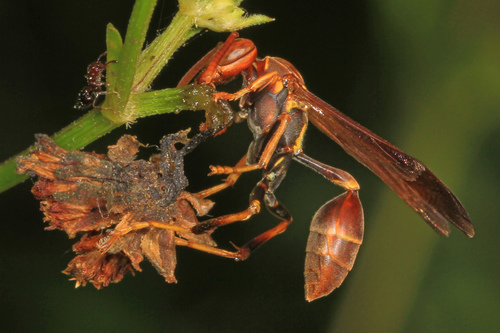
Mischocyttarus mexicanus
complexMischocyttarus mexicanus
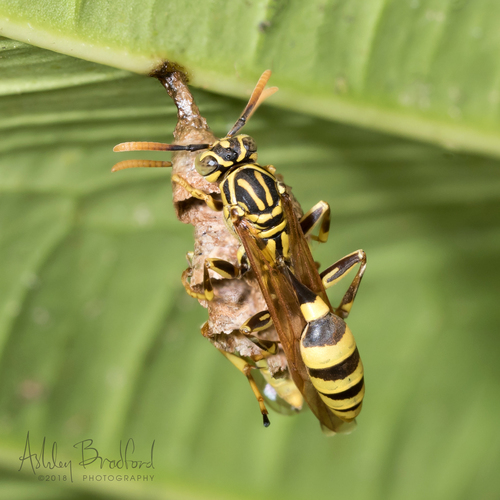
Mischocyttarus alfkenii-basimacula
complexMischocyttarus alfkenii-basimacula
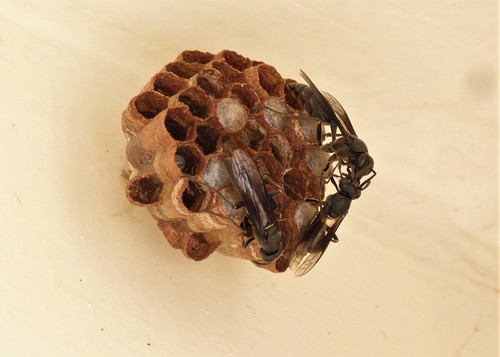
Mischocyttarus cassununga-consimilis
complexMischocyttarus cassununga-consimilis
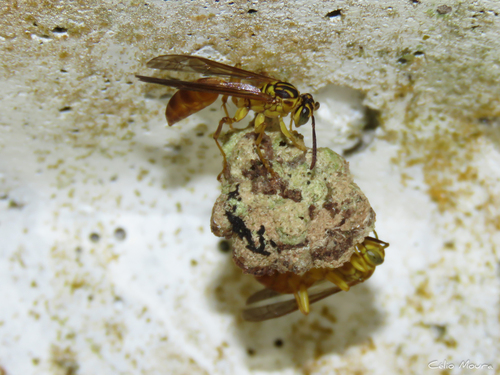
Mischocyttarus paraguayensis-bahiae
complexMischocyttarus paraguayensis-bahiae
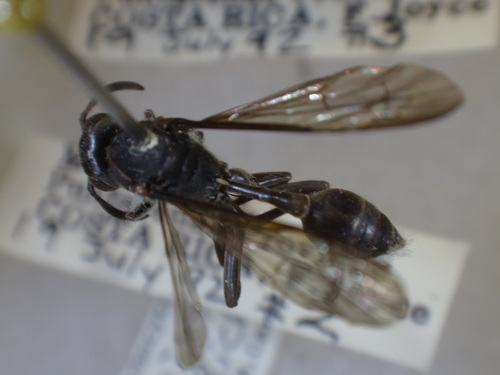
Mischocyttarus barbatus
complexMischocyttarus barbatus
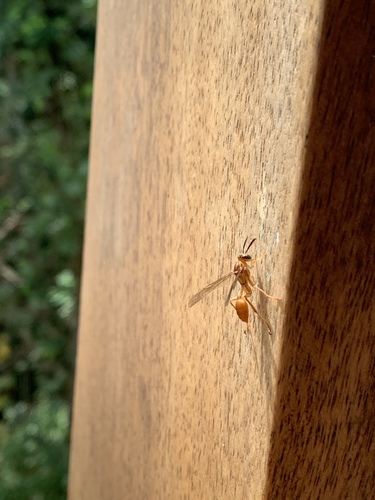
Mischocyttarus embera
speciesMischocyttarus embera
Mischocyttarus wagneri
complexMischocyttarus wagneri
Mischocyttarus tarmensis
complexMischocyttarus tarmensis
Mischocyttarus itatiaeyensis-costalimai
complexMischocyttarus itatiaeyensis-costalimai
Where it lives
Recorded sightings
—
geo-referenced records in GBIF, from museums, herbaria and field observers.
Drag the globe to turn it. Dots are where records exist, not a range map; darker means more records.
In the stacks
Searching the stacks…
Every page naming Phi in the Biodiversity Heritage Library →
This page is assembled live from iNaturalist, GBIF, Wikipedia, the Source Library and the Internet Archive. It is not yet part of the hand-edited codex. iNaturalist taxon 764790.