- Plants
- ›Vascular Plants
- ›flowering plants
- ›Dicots
- ›Sunflowers, Bellflowers, Fanflowers, and Allies
- ›Sunflowers, Daisies, Asters, and Allies
- ›Asteroideae
- ›marigolds and allies
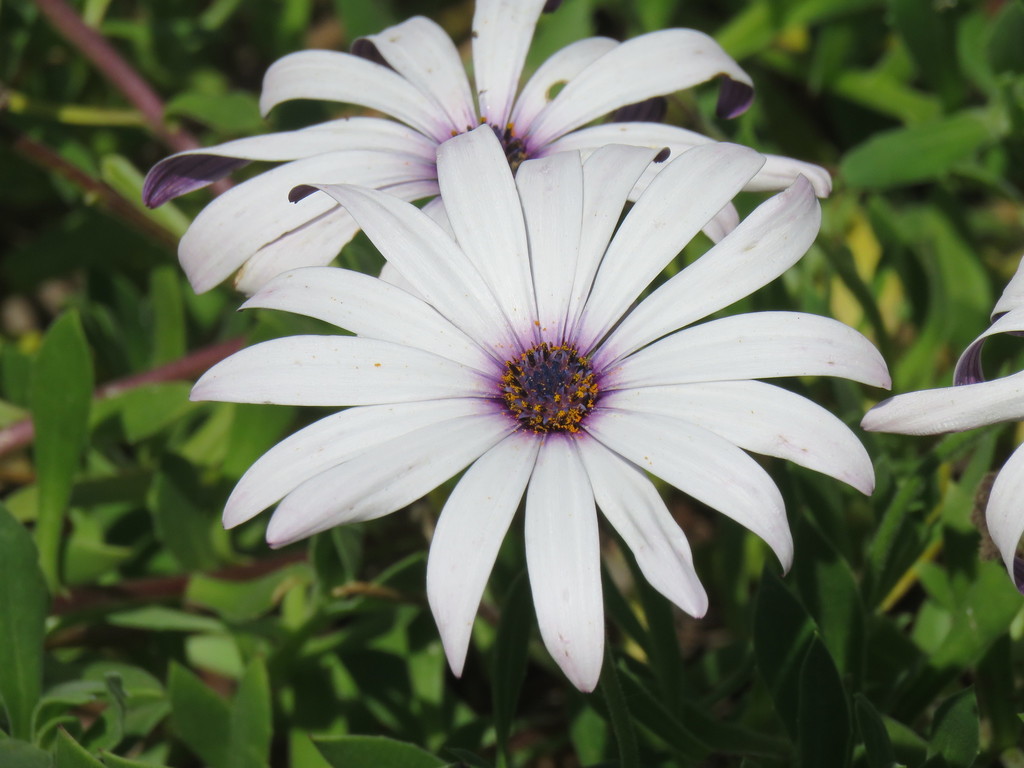
Afro-Australian daisies
Dimorphotheca
Dimorphotheca is a genus of plants in the sunflower family, native to Africa and Australia. is one of eight genera of the Calenduleae, with a centre of diversity in Southern Africa. Some species can hybridize with Osteospermum, and crosses are sold as cultivated ornamentals. The name "Dimorphotheca" comes from the Greek "Dis" "Morphe" and "Theka", meaning "two shaped fruit", referring to the dimorphic cypselae, a trait inherent to members of the Calenduleae. Plants of this genus...
19 branches of this genus, most-observed first
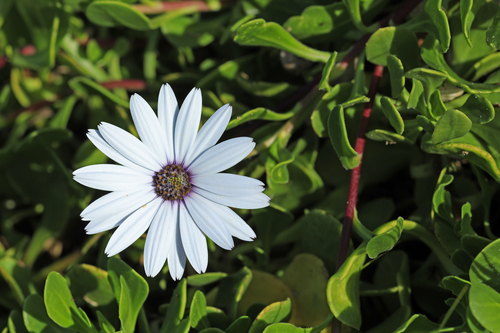
trailing African daisy
speciesDimorphotheca fruticosa
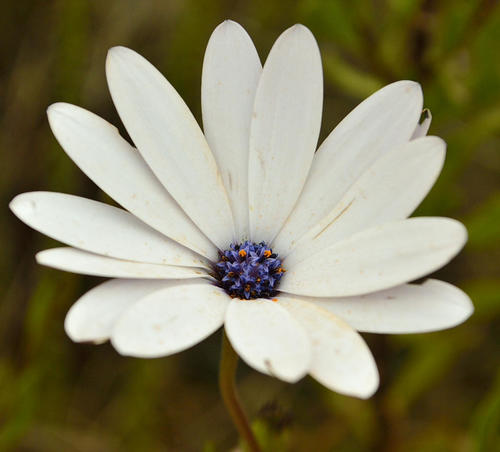
blue-and-white daisybush
speciesDimorphotheca ecklonis
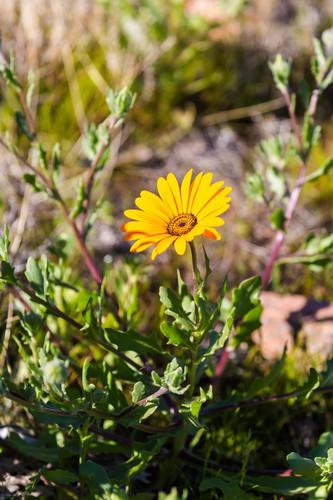
Cape marigold
speciesDimorphotheca sinuata
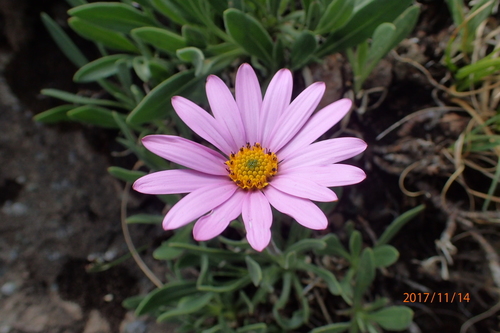
Cape daisy
speciesDimorphotheca jucunda
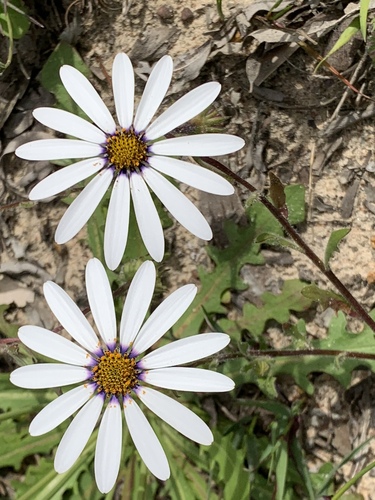
rain daisy
speciesDimorphotheca pluvialis
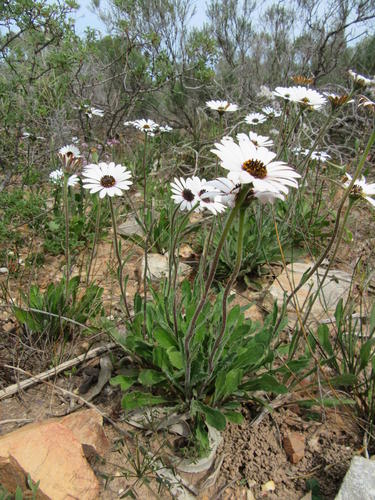
African oxeye
speciesDimorphotheca nudicaulis
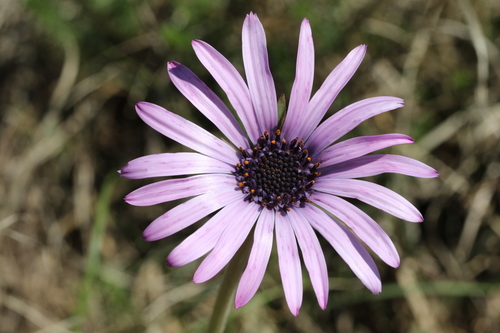
Showy Rain Daisy
speciesDimorphotheca spectabilis

Sticky Rain Daisy
speciesDimorphotheca cuneata
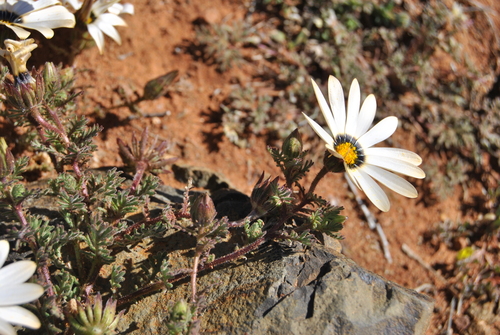
Jackal Daisy
speciesDimorphotheca pinnata
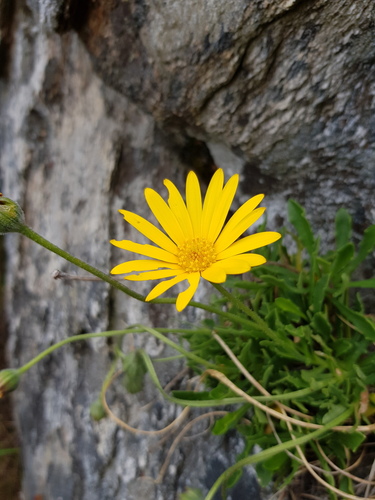
Mountain Rain Daisy
speciesDimorphotheca montana

Longstem Rain Daisy
speciesDimorphotheca caulescens
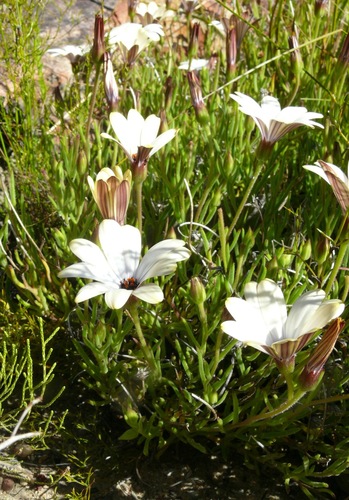
Pointed Rain Daisy
speciesDimorphotheca acutifolia
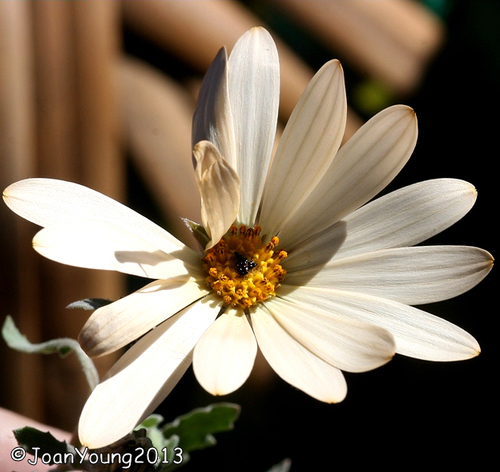
White Dimorphotheca
speciesDimorphotheca zeyheri
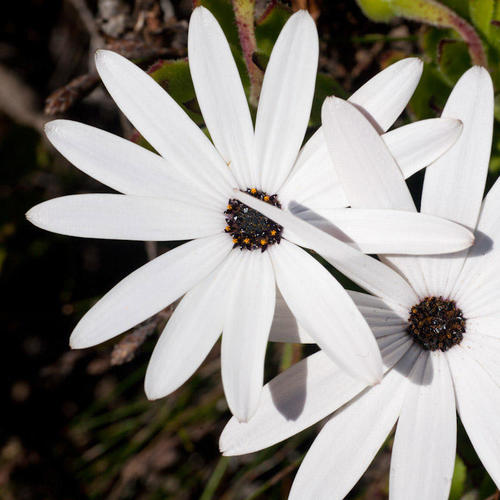
Gordon's Bay Daisy
speciesDimorphotheca walliana

Chrysanth Rain Daisy
speciesDimorphotheca chrysanthemifolia
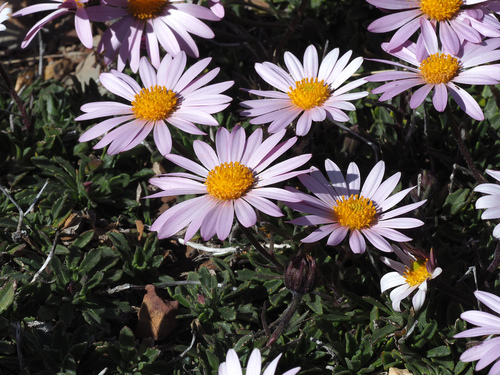
Beautiful Rain Daisy
speciesDimorphotheca venusta

Oxeye Daisy
speciesDimorphotheca tragus

Eastern Cape Rain Daisy
speciesDimorphotheca barberae
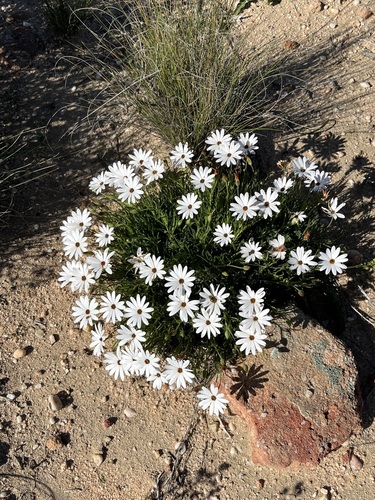
Dimorphotheca dregei
speciesDimorphotheca dregei
Where it lives
Recorded sightings
—
geo-referenced records in GBIF, from museums, herbaria and field observers.
Drag the globe to turn it. Dots are where records exist, not a range map; darker means more records.
In the stacks
Searching the stacks…
Every page naming Dimorphotheca in the Biodiversity Heritage Library →
This page is assembled live from iNaturalist, GBIF, Wikipedia, the Source Library and the Internet Archive. It is not yet part of the hand-edited codex. iNaturalist taxon 72095.