 NL·0119
Herbarium of the Nature Library
- Name
- Phyllanthus emblica
- Family
- Phyllanthaceae
- Native to
- Tropical and subtropical South and Southeast Asia, from India and Sri Lanka to southern China and Malaysia
- Habitat
- Dry deciduous forest, Monsoon forest, Farmland
Amla (Indian gooseberry)
Phyllanthus emblica
Also calledAmalaki (Sanskrit) · Amla / Aonla (Hindi) · Nellikkai (Tamil) · Amlaj أملج (Arabic/Unani) · Yúgānzǐ 余甘子 (Chinese, 'lingering sweetness') · Makham pom มะขามป้อม (Thai)
A feathery-leaved deciduous tree whose translucent green fruits are among the richest natural sources of vitamin C. Amla is one of the three fruits of the Ayurvedic formula Triphala and the base of the tonic jam chyawanprash.
Phyllanthus emblica, commonly known as emblic, Indian gooseberry, amalaki, amloki, or amla, is a deciduous tree of the family Phyllanthaceae. Its native range is tropical and southern Asia. Wikipedia
What it can do
- iFruit is rich in vitamin C, protected from breakdown by abundant tannins
- iiEllagitannins and gallic acid give strong antioxidant and astringent activity
- iiiLeaves are tiny and arranged in two rows, so the shoots look like pinnate leaves
- ivTolerates poor, dry and somewhat saline soils
At the table
Eatenfruit (raw, pickled, candied, juiced, dried)
Very sour and astringent raw. Widely eaten as pickles, murabba (preserve), juice and powder.
In the medicine cabinet
| Tradition | Use |
|---|---|
| Ayurveda | Amalaki as a supreme rasayana for longevity, digestion, eyes, hair and skin; one of the three fruits in Triphala and the base of chyawanprash |
| Unani | Amla as a cold, astringent tonic for the heart, brain, stomach and hair; in Itrifal compounds |
| Traditional Chinese / Tibetan medicine | Yuganzi to clear heat, cool the blood and soothe the throat; skyu ru ra in Tibetan medicine |
| Modern phytotherapy | Small trials of extracts for cholesterol, blood sugar and dyspepsia |
Weight of evidence
Moderate. Some clinical trials with promising but limited or mixed results.
Active compounds
ascorbic acid, gallic acid, ellagic acid, emblicanin A & B, corilagin, chebulagic acid
Fruit & seed


Fruit
Drupe (capsule-like)
Ripens: Winter (November–February in India)
Round, pale yellow-green, 2–3 cm, with six faint vertical segments; translucent, sour and astringent, around a six-sided stone.

Seed
~4–5 mm
Six small seeds inside a hard, three-chambered stone
- Dispersal
- Animals eat the fruit; deer and monkeys
- Germination
- Soak 24 h; 2–4 weeks at 25–30 °C
Photographs from Wikimedia Commons under open licences; hover for the photographer, click for the file.
How to grow it
Hardiness (USDA zones)
USDA 10–12. Survives winters down to about -1 °C.
- Light
- Full sun
- Water
- Low–moderate
- Soil
- Any well-drained soil; tolerates poor and alkaline soil
- Propagation
- Seed or grafting (named cultivars)
- To harvest
- Fruit from year 4–5 (grafted 3)
- Climates
- Tropical, Subtropical
- 1Plant grafted saplings at the start of the rains, 8–10 m apart
- 2Water through the first dry seasons
- 3Plant two cultivars together for better fruit set
- 4Harvest fruit when it turns translucent and pale in winter
Can it grow where you are?
Where it lives
Recorded sightings
—
geo-referenced records in GBIF, from museums, herbaria and field observers.
Native range
Tropical and subtropical South and Southeast Asia, from India and Sri Lanka to southern China and Malaysia
Drag the globe to turn it. Dots are where records exist, not a range map; darker means more records.
In the old herbals & bestiaries
Woodcuts and engravings matched from the Source Library’s scanned books by name. Plates marked “relative” show a close kin rather than this exact species. Click a plate to read the page it came from, with translation.

Garden of Malabar, Vol. 1
Hendrik van Rheede · 1683 · p.125

Ortus sanitatis
1491 · p.166

Herbarium Portatile, Oder Behendes Kräuter- und Gewächs-Buch: Darinn nicht allein 1363. so wol Einheimische als Außländndische Kräuter mit Lateinisch und Deutscher Benennung abgebildet, sondern auch die meisten, so in der Medicin gebräuchlich, kürtzlich erkläret werden
Panckow, Thomas · 1656 · p.376
In the stacks
Searching the stacks…
Every page naming Phyllanthus emblica in the Biodiversity Heritage Library →
Marginalia
Hindus worship the amla tree on Amla Navami in the month of Kartika, when families eat meals beneath it. Chyawanprash is named after the sage Chyavana, who by legend regained his youth through it.
Curiosity
Its Chinese name yuganzi means 'lingering sweetness', because water drunk after eating the sour fruit tastes sweet.
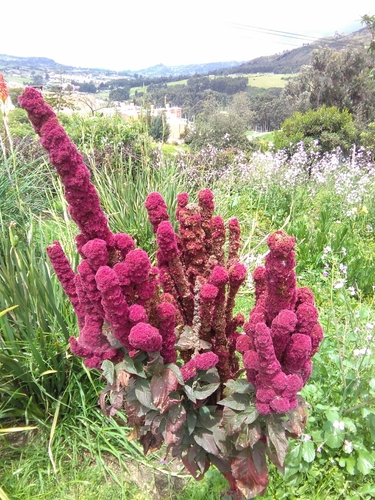
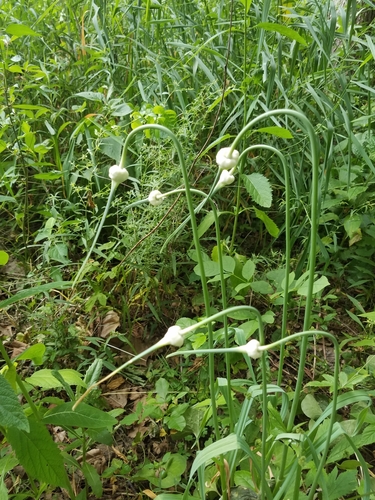
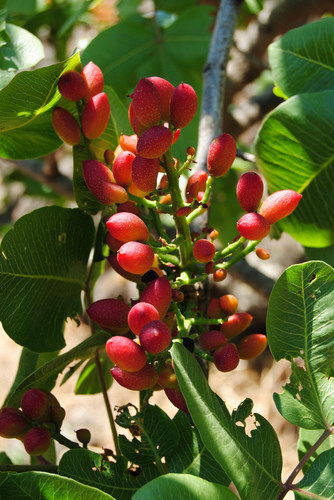
Kinship



Photographs: iNaturalist contributors under the licences shown. Records: GBIF.org. Historical plates: Source Library (CC BY-SA 4.0; originals public domain). Summary text: Nature Library editors and Wikipedia (CC BY-SA). Medicinal and edibility notes are historical and educational, not advice. iNaturalist taxon 68666.