- Animals
- ›Arthropods
- ›Hexapods
- ›Insects
- ›Winged and Once-winged Insects
- ›Beetles
- ›Water, Rove, Scarab, Long-horned, Leaf, and Snout Beetles
- ›Elateriform Beetles
- ›Buprestoidea
- ›Jewel Beetles
- ›Agrilinae
- ›Coraebini
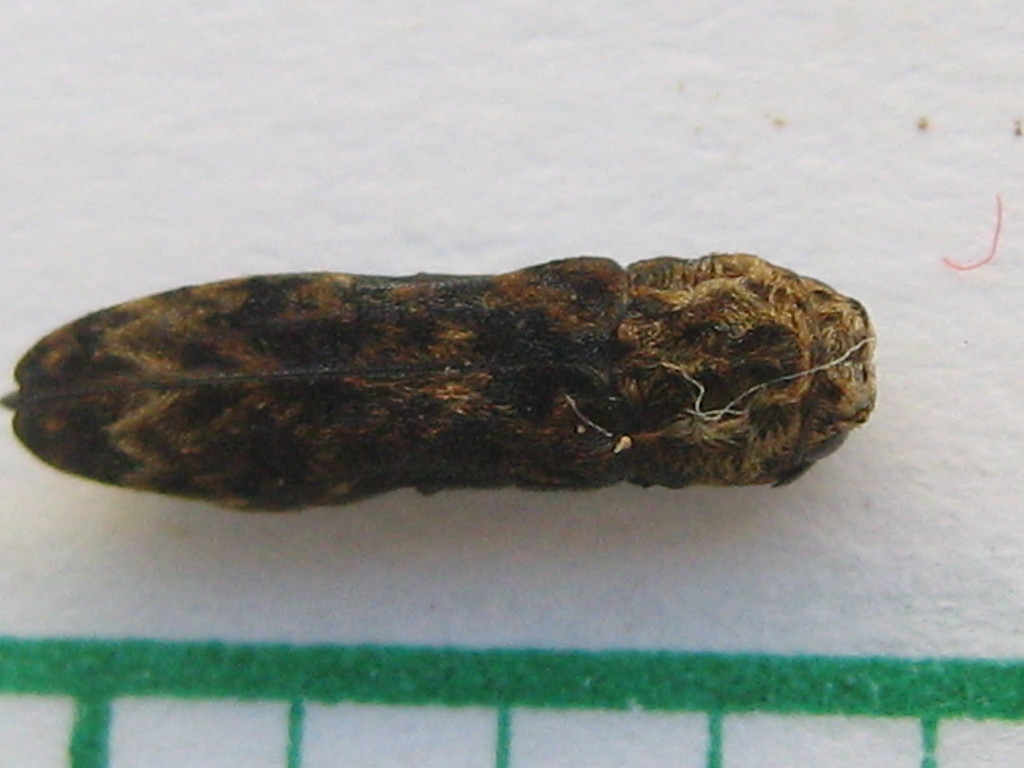
Planidia
A planidium is a specialized form of insect larva seen in the first-instar of a few families of insects that have parasitoidal ways of life. They are usually flattened, highly sclerotized (hardened), and quite mobile. The function of the planidial stage is to find a host on which the later larval instars may feed, generally until the insect pupates.
3 branches of this genus, most-observed first
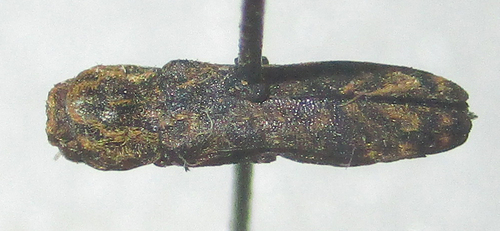
Planidia freudei
speciesPlanidia freudei
Planidia vansoni
speciesPlanidia vansoni
Planidia elongatula
speciesPlanidia elongatula
Where it lives
Recorded sightings
—
geo-referenced records in GBIF, from museums, herbaria and field observers.
Drag the globe to turn it. Dots are where records exist, not a range map; darker means more records.
In the stacks
Searching the stacks…
Every page naming Planidia in the Biodiversity Heritage Library →
This page is assembled live from iNaturalist, GBIF, Wikipedia, the Source Library and the Internet Archive. It is not yet part of the hand-edited codex. iNaturalist taxon 640663.