- Plants
- ›Vascular Plants
- ›flowering plants
- ›Dicots
- ›Mallows, Rock Roses, and Allies
- ›Mallow and Hibiscus Family
- ›Baobab subfamily

Ceiba
Ceiba is a genus of trees in the family Malvaceae, native to tropical and subtropical areas of the Americas (from Mexico and the Caribbean to northern Argentina) and tropical West Africa. Some species can grow to 70 m (230 ft) tall or more, with a straight, largely branchless trunk that culminates in a huge, spreading canopy, and buttress roots that can be taller than a grown person. The best-known, and most widely cultivated, species is kapok, Ceiba pentandra, one of several trees known as kapok. Ceiba is a word from the Taíno language meaning "boat" because Taínos would use the wood to build their dugout canoes.
Ceiba species are used as food plants by the larvae of some Lepidoptera (butterfly and moth) species, including the leaf-miner Bucculatrix ceibae, which feeds exclusively on the genus.
10 branches of this genus, most-observed first
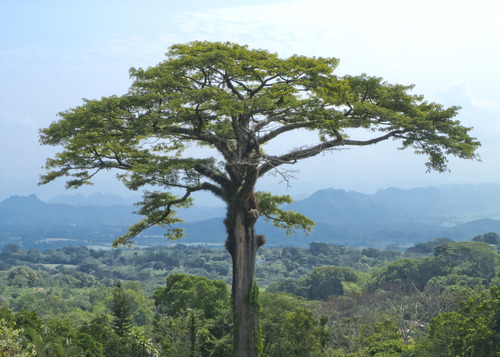
Kapok Tree
speciesCeiba pentandra
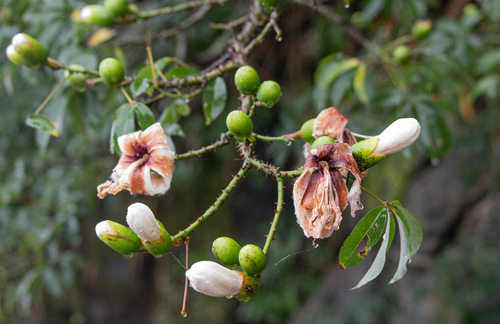
Ceiba insignis
complexCeiba insignis

Pochote
speciesCeiba aesculifolia

Ceiba trischistandra
speciesCeiba trischistandra
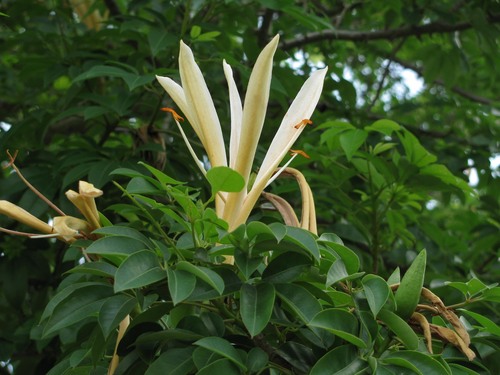
Ceiba schottii
speciesCeiba schottii

Ceiba samauma
speciesCeiba samauma
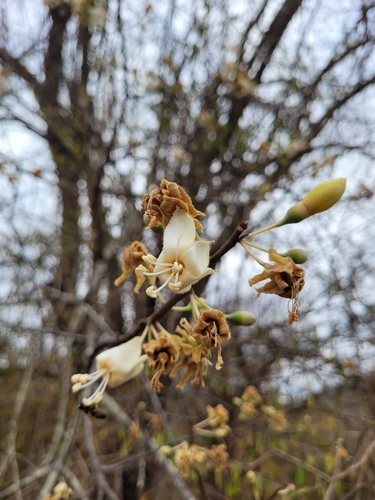
Ceiba jasminodora
speciesCeiba jasminodora
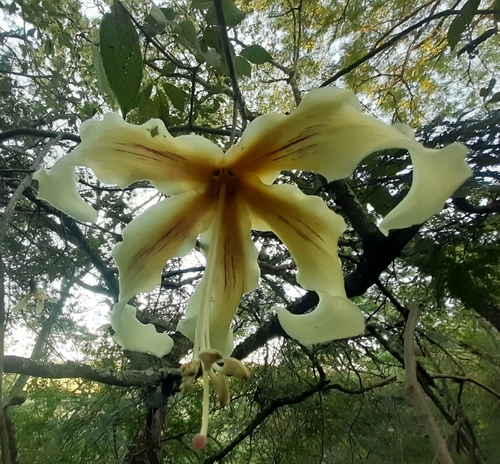
Ceiba guarani
speciesCeiba guarani
Ceiba salmonea
speciesCeiba salmonea
Ceiba soluta
speciesCeiba soluta
Where it lives
Recorded sightings
—
geo-referenced records in GBIF, from museums, herbaria and field observers.
Drag the globe to turn it. Dots are where records exist, not a range map; darker means more records.
In the old herbals & bestiaries

In the stacks
Searching the stacks…
Every page naming Ceiba in the Biodiversity Heritage Library →
This page is assembled live from iNaturalist, GBIF, Wikipedia, the Source Library and the Internet Archive. It is not yet part of the hand-edited codex. iNaturalist taxon 62819.