 NL·0046
Herbarium of the Nature Library
- Name
- Carica papaya
- Family
- Caricaceae
- Native to
- Southern Mexico and Central America; cultivated throughout the tropics
- Habitat
- Tropical forest gaps, Tropical gardens
Papaya
Carica papaya
Also calledPapita (Hindi/Urdu) · Mùguā (Chinese) · Fruta bomba (Cuban Spanish) · Lechosa (Venezuelan Spanish) · Mamão (Portuguese) · Papai (Swahili) · Malakor (Thai)
A fast-growing, short-lived, soft-stemmed tree that can fruit within a year of sowing. Native to Mesoamerica, it is now grown across the tropics, and its milky latex is the source of papain, an enzyme used to tenderise meat.
The papaya is the plant species Carica papaya, one of the 3 accepted species in the genus Carica of the family Caricaceae. Wikipedia
What it can do
- iGrows from seed to fruiting tree 2–3 m tall in 6–12 months
- iiPlants can be male, female or hermaphrodite, and some switch sex with temperature
- iiiLatex rich in papain digests proteins and protects the plant from insects
- ivA genetically engineered virus-resistant papaya saved Hawaii's papaya industry from ringspot virus in the 1990s
At the table
Eatenripe fruit · green fruit (cooked or shredded in som tam salad) · seeds (peppery, used sparingly) · young leaves and flowers (cooked)
Ripe fruit is safe. Unripe fruit and latex are high in papain and can irritate skin and the mouth; latex is traditionally avoided in pregnancy because it may stimulate uterine contractions.
In the medicine cabinet
| Tradition | Use |
|---|---|
| Southeast Asian / Filipino folk medicine | Leaf juice taken during dengue fever, with small trials suggesting raised platelet counts |
| Ayurveda | Ripe fruit for digestion and constipation; seeds against intestinal worms |
| Caribbean folk medicine | Green papaya poultice and latex on wounds and burns |
Weight of evidence
Moderate. Some clinical trials with promising but limited or mixed results.
Active compounds
papain, chymopapain, carpaine, benzyl isothiocyanate (seeds), lycopene
Fruit & seed

Fruit
Berry
Ripens: Year-round in the tropics
Oblong to pear-shaped berry 10–45 cm, green ripening yellow-orange; soft, sweet, musky orange-to-red flesh around a hollow cavity lined with seeds.


Seed
~5 mm
Round, wrinkled, black seeds about 5 mm across, each wrapped in a clear, gelatinous sac (sarcotesta); hundreds per fruit, peppery-tasting
- Dispersal
- Birds and mammals
- Germination
- Wash off the jelly sac, sow 1 cm deep in warm (25–32 °C) free-draining mix; sprouts in 1–3 weeks
Photographs from Wikimedia Commons under open licences; hover for the photographer, click for the file.
How to grow it
Hardiness (USDA zones)
USDA 10–12 (killed by frost). Survives winters down to about -1 °C.
- Light
- Full sun
- Water
- Moderate; regular, never waterlogged
- Soil
- Light, very well-drained, rich in organic matter, pH 6–7
- Propagation
- Seed (choose seed from hermaphrodite fruit, e.g. 'Solo' types)
- To harvest
- 6–11 months from sowing
- Climates
- Tropical, Warm subtropical
- 1Sow several seeds per pot of a hermaphrodite variety like 'Solo' or 'Red Lady' so most plants will fruit.
- 2Plant out 2–3 m apart into a warm, sunny, wind-sheltered spot on a raised mound, as roots rot easily.
- 3Feed every month with balanced fertiliser and mulch; water deeply in dry weather.
- 4Once flowers appear, remove male-only plants (long-stalked flower clusters), keeping one per 10–20 if you grow dioecious types.
- 5Harvest when the skin starts to turn yellow and ripen at room temperature; replace trees after 3–4 years as they grow tall.
Can it grow where you are?
Where it lives
Recorded sightings
—
geo-referenced records in GBIF, from museums, herbaria and field observers.
Native range
Southern Mexico and Central America; cultivated throughout the tropics
Drag the globe to turn it. Dots are where records exist, not a range map; darker means more records.
In the old herbals & bestiaries
Woodcuts and engravings matched from the Source Library’s scanned books by name. Plates marked “relative” show a close kin rather than this exact species. Click a plate to read the page it came from, with translation.

Berthe Hoola van Nooten — Fleurs, fruits et feuillages choisis de la flore et de la pomone de Java (1863)
Berthe Hoola van Nooten · 1863 · p.167

The Ambonese Herbal (Herbarium Amboinense), Vol. 1
Georg Eberhard Rumphius · 1741 · p.235

Garden of Malabar, Vol. 1
Hendrik van Rheede · 1683 · p.54

Metamorphosis Insectorum Surinamensium
Maria Sibylla Merian · 1705 · p.129

De Indiae utriusque re naturali et medica
Willem Piso · 1658 · p.187

Ten Books of Exotic Things
Carolus Clusius · 1605 · p.792

Illustrated Herbal Primer
Chen Jiamo (陳嘉謨) · 1628 · p.245

Treasury of Medical Matters of New Spain
Francisco Hernández · 1651 · p.919

Christoph Jakob Trew — Uitgezochte planten (1771)
Christoph Jakob Trew · 1771 · p.106

Illustrated Compendium of Materia Medica (Vol. 28)
吳其濬 · 1848 · p.107
In the stacks
Searching the stacks…
Every page naming Carica papaya in the Biodiversity Heritage Library →
Marginalia
Christopher Columbus is said to have called the papaya 'the fruit of the angels'. Spanish and Portuguese sailors spread it across the tropics in the 16th century, reaching the Philippines and India by the 1600s.
Curiosity
Chymopapain from papaya latex was once injected to dissolve slipped spinal discs, and papain is still sold as meat tenderiser.
Kinship

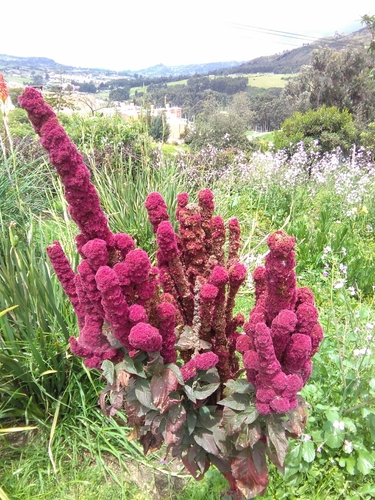
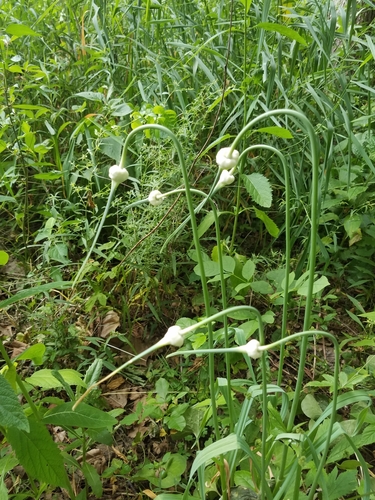


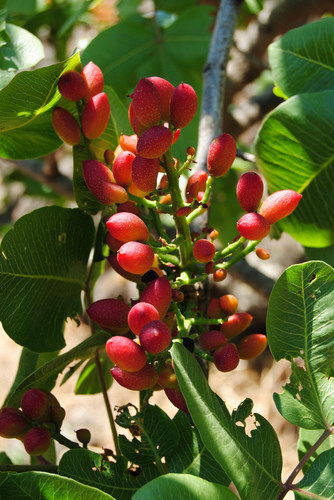
Photographs: iNaturalist contributors under the licences shown. Records: GBIF.org. Historical plates: Source Library (CC BY-SA 4.0; originals public domain). Summary text: Nature Library editors and Wikipedia (CC BY-SA). Medicinal and edibility notes are historical and educational, not advice. iNaturalist taxon 62811.