 NL·0011
Herbarium of the Nature Library
- Name
- Cicuta maculata
- Family
- Apiaceae
- Native to
- Most of North America, from Canada to Mexico
- Habitat
- Wet meadows, Marshes, Stream and ditch banks
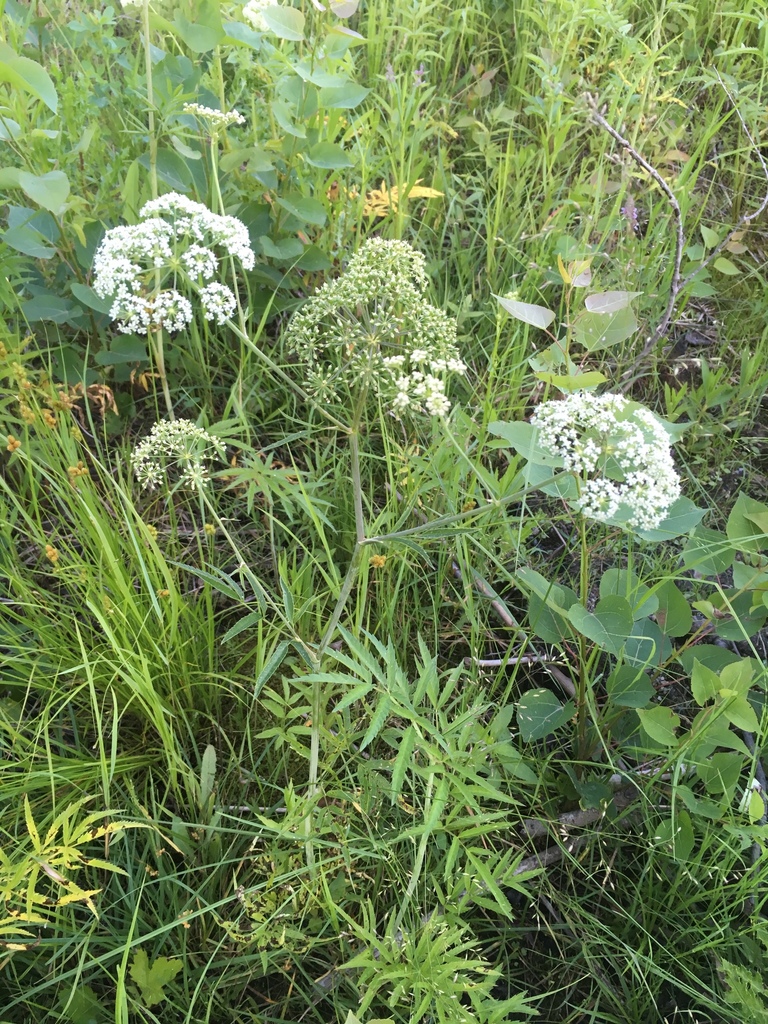
Spotted water hemlock
Cicuta maculata
Also calledCowbane (English) · Beaver poison (English) · Musquash root (English) · Cicuta (Spanish) · Cicutaire maculée (French) · Carotte à Moreau (Quebec French)
Often called the most toxic plant in North America. Water hemlock's thick, chambered roots contain cicutoxin, which triggers violent seizures within as little as 15 minutes. A piece of root the size of a walnut can kill a 550 kg cow, and people have died after eating only small amounts.
Cicuta maculata is a highly poisonous species of flowering plant in the carrot family known by several common names, including spotted water hemlock, spotted parsley, and spotted cowbane. It is native to nearly all of North America, from northern Canada to southern Mexico. Wikipedia
What it can do
- iMakes cicutoxin, which blocks GABA-A receptors in the brain and causes uncontrolled seizures
- iiStores most toxin in thickened, chambered roots that ooze yellowish oily liquid when cut
- iiiGrows in wet ground where it can be confused with edible wetland plants
- ivIs toxic enough to kill cattle that eat a few roots exposed by ploughing or flooding
At the table
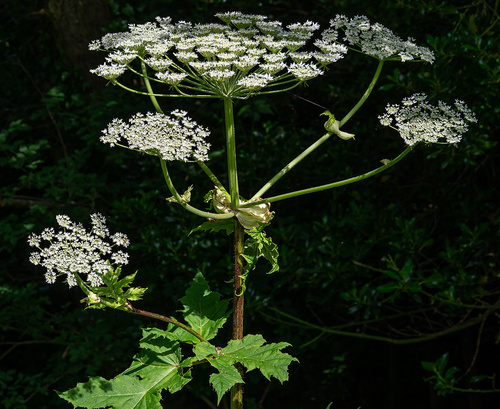
All parts are deadly, most of all the roots and stem base, especially in spring. Symptoms within 15–60 minutes: nausea, vomiting, abdominal pain, frothing at the mouth, then violent seizures, irregular heartbeat and death from respiratory failure; survivors may have lasting muscle and memory problems. Lookalikes: water parsnip (Sium suave), wild parsnip, wild carrot, angelica, cow parsnip and edible wetland roots. Key sign: chambered (hollow with cross-walls) root crown and leaf veins ending in the notches between teeth rather than at the tips.
Fruit & seed
Fruit
Schizocarp
Ripens: Late summer
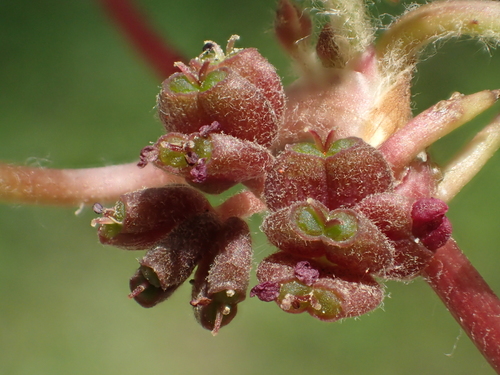
Small round ribbed fruits in loose umbels.

Seed
~2–4 mm
Small corky-ribbed mericarps
- Dispersal
- Water
- Germination
- Not for cultivation
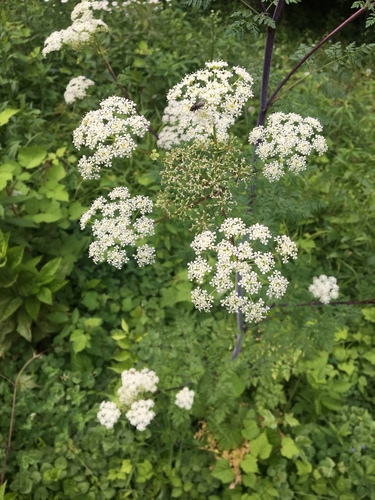
Photographs from Wikimedia Commons under open licences; hover for the photographer, click for the file.
Where it lives
Recorded sightings
—
geo-referenced records in GBIF, from museums, herbaria and field observers.
Native range
Most of North America, from Canada to Mexico
Drag the globe to turn it. Dots are where records exist, not a range map; darker means more records.
In the old herbals & bestiaries
No plate in the Source Library names this exact species, so these show its closest relatives as the old naturalists drew them: same genus, or the same kind of plant. Click a plate to read the page it came from, with translation.

A New Distribution of Umbelliferous Plants
Relative · Robert Morison · 1672 · p.135

On the Virtues of Herbs
Relative · Macer Floridus · 1150 · p.283

Ortus sanitatis
Relative · 1491 · p.110

Garden of Health
Relative · 1507 · p.90

Notable Commentaries on the History of Plants
Relative · Leonhart Fuchs · 1542 · p.440

Notable Commentaries on the History of Plants
Relative · Leonhart Fuchs · 1549 · p.438

On Medical Materials in Six Books
Relative · Dioscorides · 1550 · p.574

On the Names of Plants
Relative · Hieronymus Bock (Tragus) · 1552 · p.546

De medicinali materia libri sex
Relative · Dioscorides · 1552 · p.582

Commentaries on the Six Books of Dioscorides
Relative · Pietro Andrea Mattioli · 1560 · p.701
In the stacks
Searching the stacks…
Every page naming Cicuta maculata in the Biodiversity Heritage Library →
Marginalia
Colonial writers and Indigenous traditions alike recorded water hemlock as a deadly poison, and it was a long-feared killer of cattle on the American frontier, where roots exposed by spring floods or ploughing were eaten by stock.
Curiosity
Children have been poisoned by using the hollow stems as peashooters or whistles.
Kinship
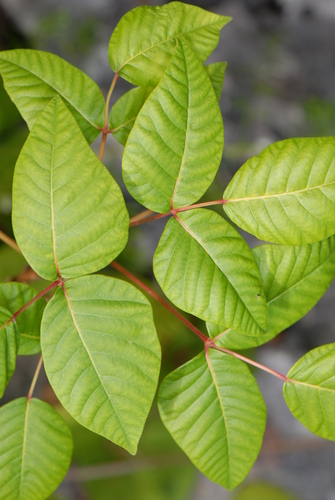
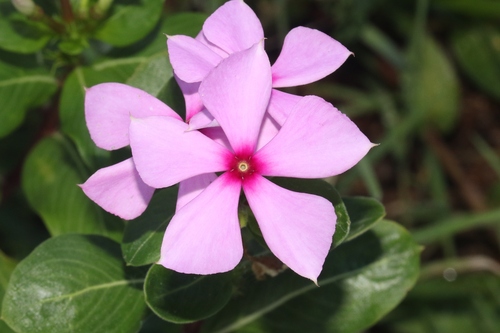
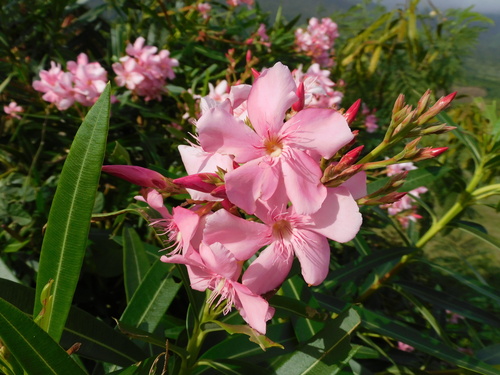
Fact-checked: 1 correction made to this sheet. Photographs: iNaturalist contributors under the licences shown. Records: GBIF.org. Historical plates: Source Library (CC BY-SA 4.0; originals public domain). Summary text: Nature Library editors and Wikipedia (CC BY-SA). Medicinal and edibility notes are historical and educational, not advice. iNaturalist taxon 60125.