 NL·0008
Herbarium of the Nature Library
- Name
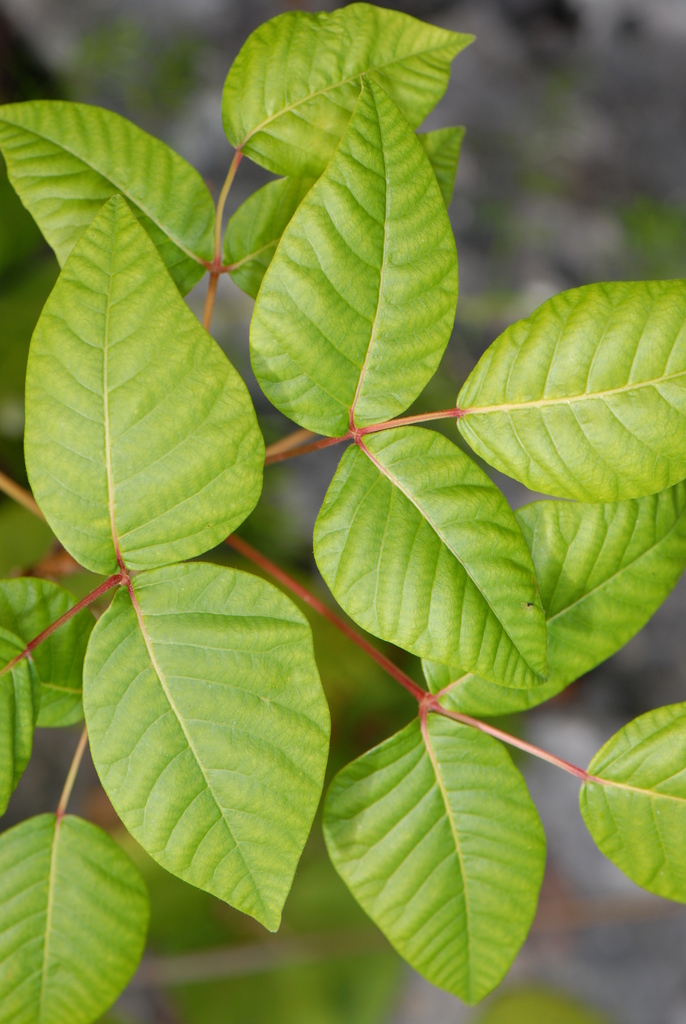
- Toxicodendron radicans
- Family
- Anacardiaceae
- Native to
- Eastern and central North America, Mexico, Central America and the Caribbean; related forms in East Asia
- Habitat
- Woodland edges, Disturbed ground, Riverbanks, Dunes
Poison ivy
Toxicodendron radicans
Also calledHiedra venenosa (Spanish) · Herbe à la puce (Quebec French) · Sumac grimpant (French) · Giftefeu (German) · Tsuta-urushi ツタウルシ (Japanese, for East Asian forms)
A vine, shrub or ground cover whose oily resin, urushiol, causes an itchy, blistering rash in most people. Urushiol stays active on clothes, tools and pet fur for a long time. To wildlife it is a valuable plant: dozens of bird species eat its pale berries in winter.
Toxicodendron radicans, commonly known as eastern poison ivy or poison ivy, is a species of allergenic flowering plant. It has numerous subtaxons and forms both vines and shrubs. Despite its common name, it is not a true ivy, but rather a member of the cashew and sumac family, Anacardiaceae. It is different from western poison ivy, Toxicodendron rydbergii, and resembles a number of species. Wikipedia
What it can do
- iProduces urushiol, which triggers allergic contact dermatitis in most people
- iiGrows as a ground cover, shrub or high-climbing vine with hairy aerial roots
- iiiFeeds songbirds, woodpeckers and wild turkeys with fat-rich winter berries
- ivGrows faster and makes more potent urushiol under higher CO₂, experiments show
At the table
All parts contain urushiol: leaves, stems, roots and berries, in all seasons, even dead plants. Touching causes an itchy red rash with blisters 12–72 hours later. Burning it releases urushiol in smoke, which can cause severe lung and eye inflammation. Eating any part is dangerous. Lookalikes: Virginia creeper (five leaflets), boxelder seedlings, fragrant sumac and young raspberry or blackberry; 'leaves of three, let it be' is a good guide. Wash skin with soap and cool water soon after contact.
Fruit & seed


Fruit
Drupe
Ripens: Late summer–winter
Clusters of small, waxy, greyish-white berries.
Seed
~4–5 mm
Ribbed stone inside the berry
- Dispersal
- Birds
- Germination
- Not for cultivation
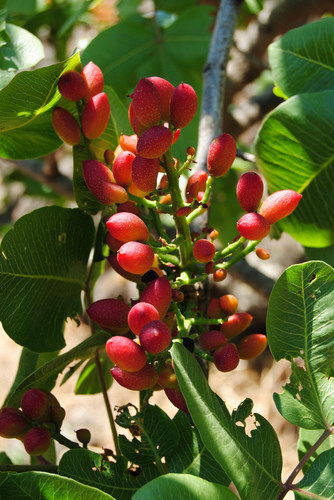
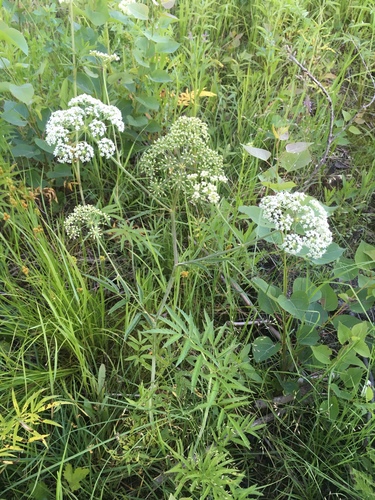
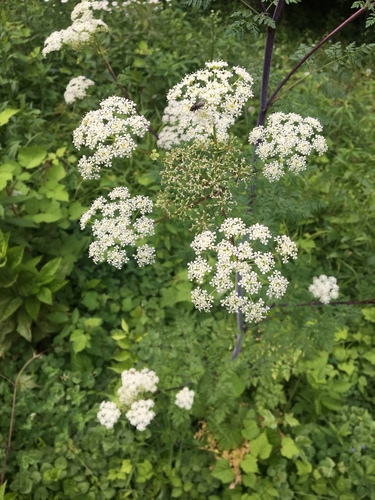
Photographs from Wikimedia Commons under open licences; hover for the photographer, click for the file.
Where it lives
Recorded sightings
—
geo-referenced records in GBIF, from museums, herbaria and field observers.
Native range
Eastern and central North America, Mexico, Central America and the Caribbean; related forms in East Asia
Drag the globe to turn it. Dots are where records exist, not a range map; darker means more records.
In the old herbals & bestiaries
No plate in the Source Library names this exact species, so these show its closest relatives as the old naturalists drew them: same genus, or the same kind of plant. Click a plate to read the page it came from, with translation.


In the stacks
Searching the stacks…
Every page naming Toxicodendron radicans in the Biodiversity Heritage Library →
Marginalia
Captain John Smith described it at Jamestown in 1609, comparing it to English ivy and recording that it caused 'redness, itchiness, and lastly blisters'. Urushiol is named after urushi, the lacquer from the related Asian lacquer tree.
Curiosity
In a Duke University experiment, poison ivy grown at elevated CO₂ grew bigger and made a more allergenic form of urushiol.
Kinship


Photographs: iNaturalist contributors under the licences shown. Records: GBIF.org. Historical plates: Source Library (CC BY-SA 4.0; originals public domain). Summary text: Nature Library editors and Wikipedia (CC BY-SA). Medicinal and edibility notes are historical and educational, not advice. iNaturalist taxon 58732.