- Animals
- ›Chordates
- ›Vertebrates
- ›Birds
- ›Hawks, Eagles, Kites, and Allies
- ›Hawks, Eagles, and Kites
- ›Harpy Eagles and allies
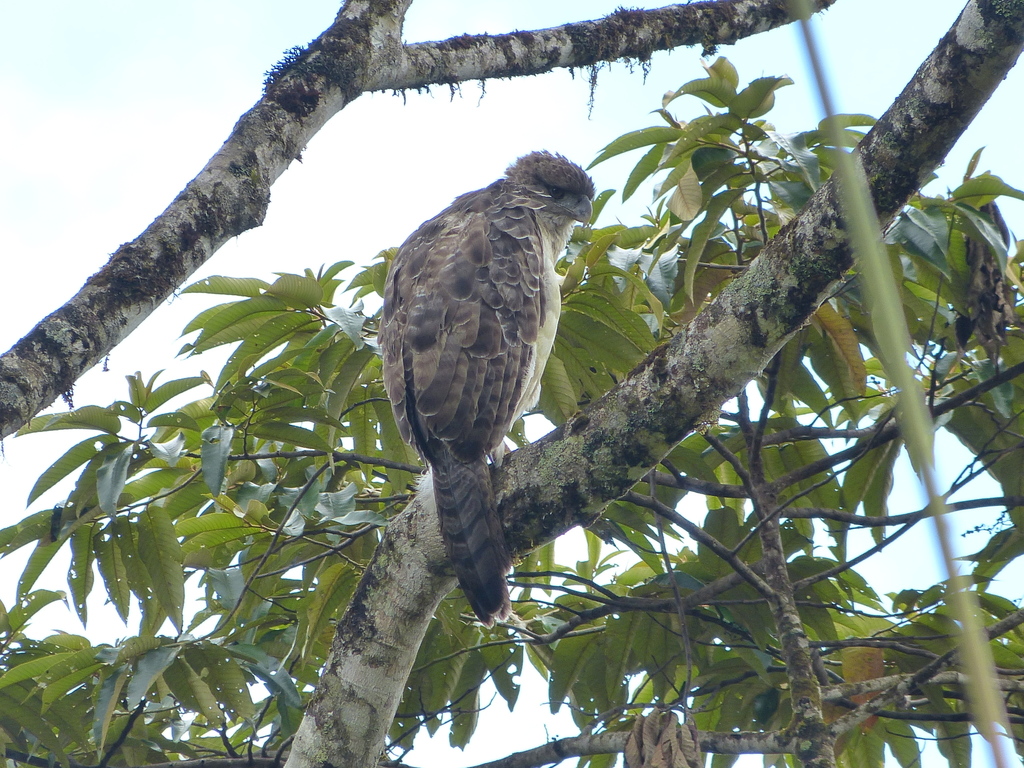
Harpyopsis
The Papuan eagle (Harpyopsis novaeguineae) is a large bird of prey. It is also known by several other names, including Papuan harpy eagle, New Guinea eagle, New Guinea harpy eagle, or kapul eagle, the latter name from the local name for a usually arboreal marsupial that the eagle is known to regularly hunt. This is an endemic species to New Guinea, and it can occasionally be found throughout the island. This is a forest-dwelling species, usually occurring in mature rainforest. The Papuan eagle is a fairly little-known species for a large eagle; however, it is known to prey on a wide range of prey, probably by and large mammals and birds from small to quite large sizes. Unique amongst eagles, the Papuan eagle is a surprisingly fast and agile terrestrial avian predator and is capable of chasing down prey on the forest floor. What little study has been conducted about its breeding habits suggests it nests in a large forest tree, perhaps every other year. The Papuan eagle is probably naturally scarce, but it is under the threat of habitat destruction by deforestation, as well as hunting. Due to its small and declining population, the species has been classified as vulnerable by the IUCN.
1 branches of this genus, most-observed first · about 1 known species
See this branch on the Wheel of Life →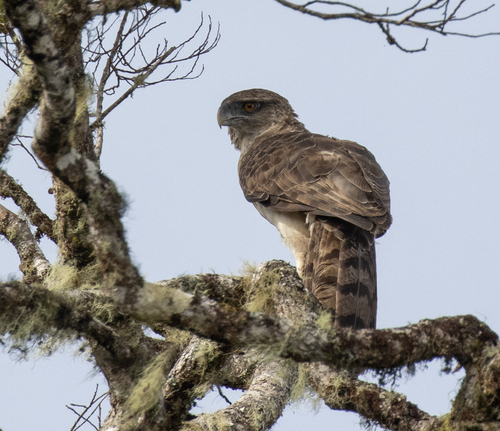
Where it lives
Recorded sightings
—
geo-referenced records in GBIF, from museums, herbaria and field observers.
Drag the globe to turn it. Dots are where records exist, not a range map; darker means more records.
In the stacks
Searching the stacks…
Every page naming Harpyopsis in the Biodiversity Heritage Library →
This page is assembled live from iNaturalist, GBIF, Wikipedia, the Source Library and the Internet Archive. It is not yet part of the hand-edited codex. iNaturalist taxon 5387.