- Animals
- ›Arthropods
- ›Hexapods
- ›Insects
- ›Winged and Once-winged Insects
- ›Ants, Bees, Wasps, and Sawflies
- ›Narrow-waisted Wasps, Ants, and Bees
- ›Ants, Bees, and Stinging Wasps
- ›Bees and Apoid Wasps
- ›Bees
- ›Honey Bees, Bumble Bees, and Allies
- ›Apine Bees
- ›Bombini

Bumble Bees
Bombus
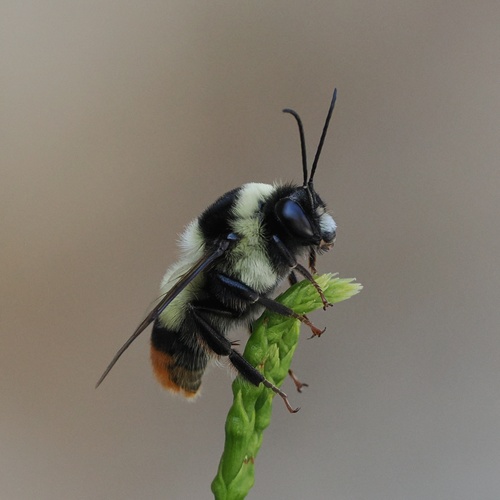
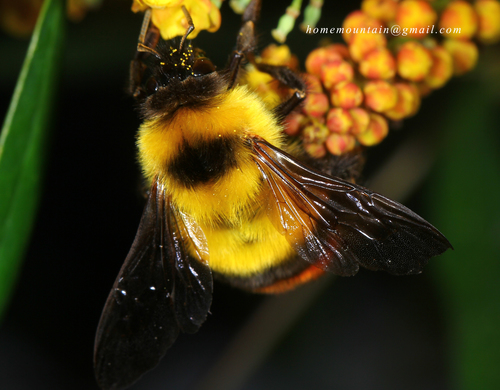
A bumblebee (or bumble bee, bumble-bee, or humble-bee) is any of over 250 species in the genus Bombus, part of Apidae, one of the bee families. This genus is the only extant group in the tribe Bombini, though a few extinct related genera (e.g., Calyptapis) are known from fossils. They are found primarily in the Northern Hemisphere, although they are also found in South America, where a few lowland tropical species have been identified. European bumblebees have also been introduced to New Zealand and Tasmania. Female bumblebees can sting repeatedly, but generally ignore humans and other animals.
Most bumblebees are eusocial insects that form colonies with a single queen. The colonies are smaller than those of honey bees, growing to as few as 50 individuals in a nest. Cuckoo bumblebees are brood parasitic and do not make nests or form colonies; their queens aggressively invade the nests of other bumblebee species, kill the resident queens and then lay their own eggs, which are cared for by the resident workers. Cuckoo bumblebees were previously classified as a separate genus, but are now usually treated as members of Bombus.
15 branches of this genus, most-observed first
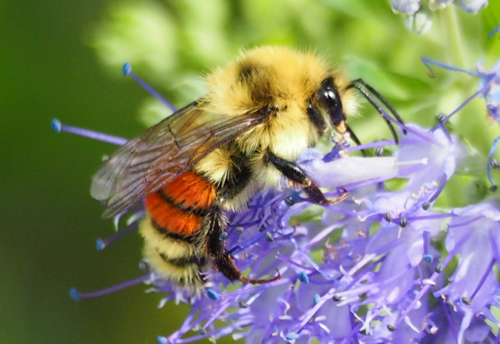
Pyrobombus
subgenusPyrobombus

Thoracobombus
subgenusThoracobombus

Bombus
subgenusBombus
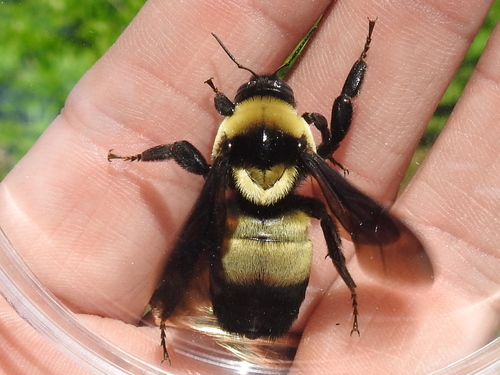
Cullumanobombus
subgenusCullumanobombus

Cuckoo Bumble Bees
subgenusPsithyrus

Melanobombus
subgenusMelanobombus

Megabombus
subgenusMegabombus

Bombias
subgenusBombias

Subterraneobombus
subgenusSubterraneobombus
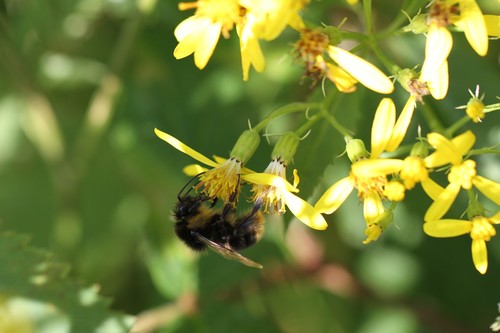
Kallobombus
subgenusKallobombus

Alpinobombus
subgenusAlpinobombus
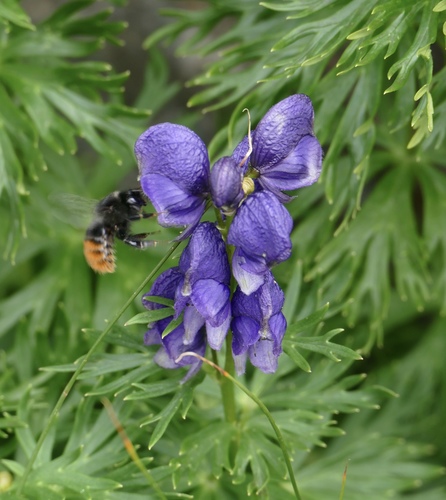
Alpigenobombus
subgenusAlpigenobombus
Sibiricobombus
subgenusSibiricobombus

Mendacibombus
subgenusMendacibombus
Orientalibombus
subgenusOrientalibombus
Where it lives
Recorded sightings
—
geo-referenced records in GBIF, from museums, herbaria and field observers.
Drag the globe to turn it. Dots are where records exist, not a range map; darker means more records.
In the stacks
Searching the stacks…
Every page naming Bombus in the Biodiversity Heritage Library →
This page is assembled live from iNaturalist, GBIF, Wikipedia, the Source Library and the Internet Archive. It is not yet part of the hand-edited codex. iNaturalist taxon 52775.