- Animals
- ›Chordates
- ›Vertebrates
- ›Birds
- ›Pelicans, Herons, Ibises, and Allies
- ›Herons, Egrets, and Bitterns
- ›Typical Herons and Egrets
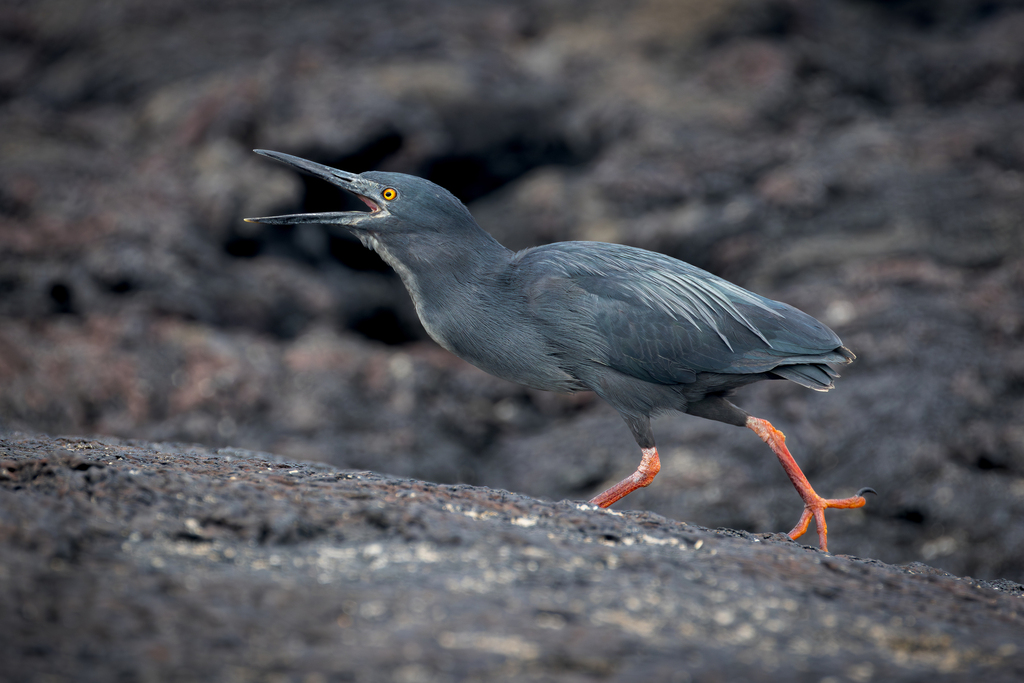
Green-backed Herons
Butorides
Butorides is a genus of small herons. It contains four similar species, the striated heron Butorides striata, the lava heron Butorides sundevalli, the green heron Butorides virescens and the little heron Butorides atricapilla. They are closely related, and some authorities have considered them all to be subspecies of just one species; when treated so, the merged species is called green-backed heron. The name Butorides derives from Middle English Butor ("bittern") and the Ancient Greek suffix -oides, "resembling".
Adults of the extant species are among the smallest herons, ranging in length from 35–48 centimetres (14–19 inches), and have a dark grey to blackish back and wings (sometimes with greenish or bluish iridescence), a black cap, and short legs; the legs are yellow most of the year, but flush bright orange-red during pre-breeding courtship. The species have different underpart colours; white to grey or orange-buff in striated heron, and very dark grey in lava heron, and red-brown in green heron; in all, there is a line of white streaks running down the front of the throat and breast. The juveniles are browner above and extensively streaked below, and have greenish-yellow legs.
6 branches of this genus, most-observed first · about 4 known species
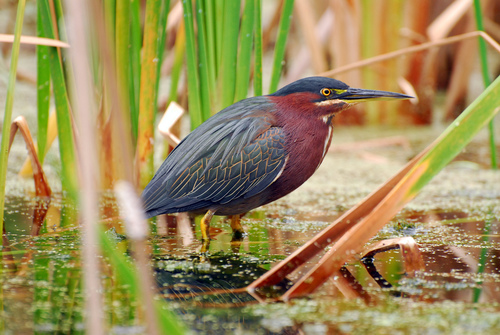
Green Heron
speciesButorides virescens

Little Heron
speciesButorides atricapilla
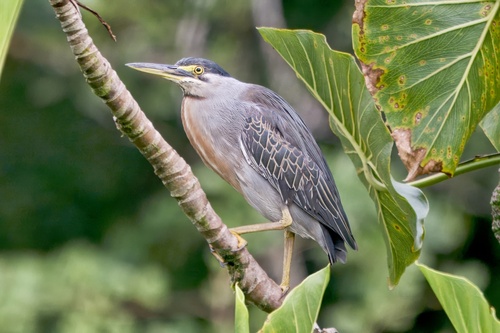
Striated Heron
speciesButorides striata
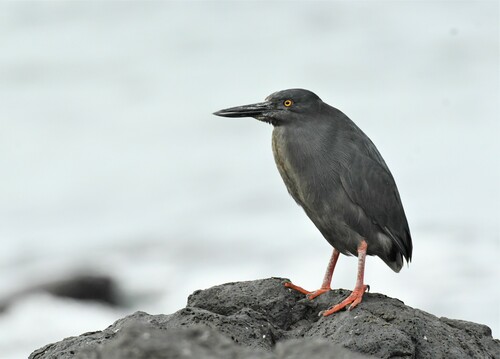
Lava Heron
speciesButorides sundevalli

Striated × Green Heron
hybridButorides striata × virescens
Striated × Lava Heron
hybridButorides striata × sundevalli
Where it lives
Recorded sightings
—
geo-referenced records in GBIF, from museums, herbaria and field observers.
Drag the globe to turn it. Dots are where records exist, not a range map; darker means more records.
In the stacks
Searching the stacks…
Every page naming Butorides in the Biodiversity Heritage Library →
This page is assembled live from iNaturalist, GBIF, Wikipedia, the Source Library and the Internet Archive. It is not yet part of the hand-edited codex. iNaturalist taxon 5019.