 NL·0383
Herbarium of the Nature Library
- Name
- Urocissa erythroryncha
- Family
- Corvidae
- Native to
- Western Himalaya (Himachal Pradesh) east through Nepal, Bhutan and NE India to Myanmar, much of eastern China and Indochina
- Habitat
- Montane forest, Subtropical forest, Gardens
On eBird ↗
Red-billed Blue-Magpie
Live sightings near you, the range map, bar charts of when it is seen, and Macaulay Library photos and recordings.
Red-billed blue magpie
Urocissa erythroryncha
Also calledHóng zuǐ lán què 红嘴蓝鹊 (Chinese)
A long-tailed magpie of Himalayan and Chinese hill forests with a black hood, white nape, lavender-blue back and a tail longer than its body, tipped in white. Bold and noisy, it raids nests and visits campsites for scraps.
The red-billed blue magpie is a species of bird (magpie) in the crow family, Corvidae. It is about the same size as the Eurasian magpie, but has a much longer tail, one of the longest of any corvid. It is 65–68 cm (25.5–27 in) long and weighs 196–232 g (6.9–8.2 oz). Wikipedia
What it can do
- iRaids nests of other birds for eggs and nestlings
- iiCaches food in the ground or crevices
- iiiGroups mob predators loudly
In the field
Field marks
- aBlack head and breast with a white patch on the crown and nape
- bLavender-blue back and wings
- cVery long, graduated blue tail with white tips and black bands
- dBright red bill and legs
- Voice
- Loud, varied calls including a harsh 'chuk-chuk' and a ringing 'pit-pit-pitpit'
- Not to be confused with
- Yellow-billed blue magpie (western Himalaya, higher altitudes) has a yellow bill and smaller white nape patch; Common green magpie is green with a red bill.
- Where to see it
- Kathmandu valley forests (Shivapuri), Corbett and Nainital (India), Beijing's Fragrant Hills
- When
- Resident year-round
Listen
Looking for field recordings…
Life & habits
- Diet
- Insects, fruit, eggs and nestlings, small reptiles, carrion and scraps
- Habitat
- Broadleaf and mixed hill forest, forest edge, villages and parks
- Size
- About 65–68 cm long including a tail of around 45 cm
Small groups follow one another in a straggling line between trees, long tails streaming behind.
Where it lives
Recorded sightings
—
geo-referenced records in GBIF, from museums, herbaria and field observers.
Native range
Western Himalaya (Himachal Pradesh) east through Nepal, Bhutan and NE India to Myanmar, much of eastern China and Indochina
Drag the globe to turn it. Dots are where records exist, not a range map; darker means more records.
In the old herbals & bestiaries
No plate in the Source Library names this exact species, so these show its closest relatives as the old naturalists drew them: same genus, or the same kind of animal. Click a plate to read the page it came from, with translation.

Theater of Earthly Creatures
Relative · Anonymous · 1672 · p.230

History of Animals, Book I: On Viviparous Quadrupeds
Relative · Conrad Gessner · 1554 · p.853

Historiae Animalium Liber III: De Avium Natura
Relative · Conrad Gesner · 1555 · p.708

Ornithology
Relative · Ulisse Aldrovandi · 1599 · p.822

History of the Northern Peoples
Relative · Olaus Magnus · 1555 · p.769

Historiae Animalium Liber III: De Avium Natura
Relative · Conrad Gesner · 1555 · p.808

Ornithology: The History of Birds
Relative · Ulisse Aldrovandi · 1599 · p.818

Ornithology: The History of Birds
Relative · Ulisse Aldrovandi · 1599 · p.819

Ornithologiae: de avibus historiae libri XII
Relative · Ulisse Aldrovandi · 1599 · p.804

Ornithology
Relative · Ulisse Aldrovandi · 1599 · p.820
In the stacks
Searching the stacks…
Every page naming Urocissa erythroryncha in the Biodiversity Heritage Library →
Marginalia
It is a common park bird in central and southern China and a familiar subject in Chinese bird-and-flower painting.
Curiosity
Its tail can be roughly two-thirds of its total length.
Kinship
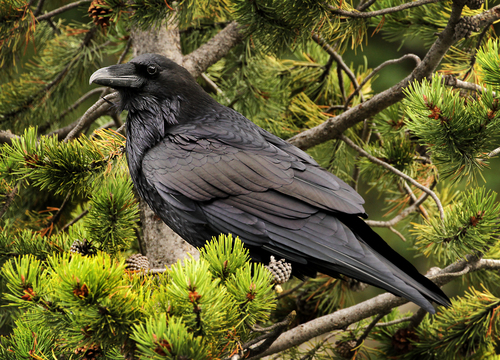

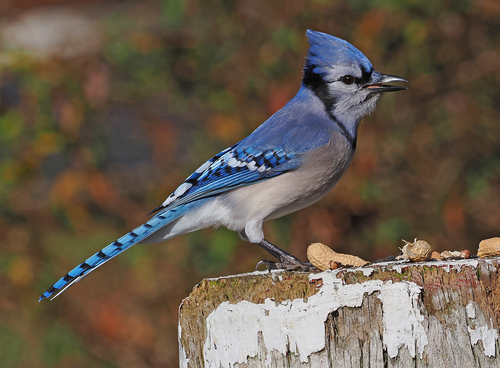
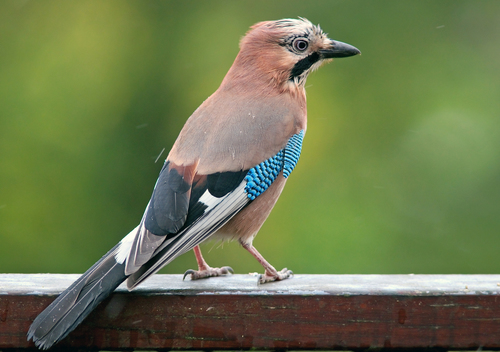
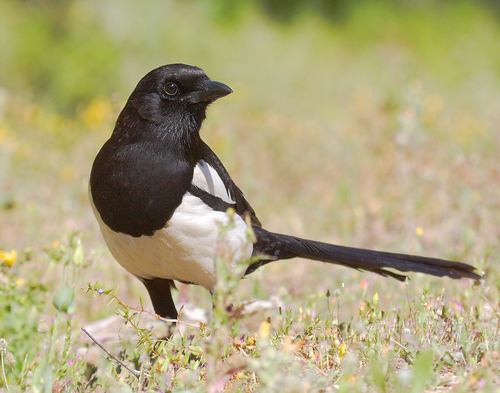
Photographs: iNaturalist contributors under the licences shown. Records: GBIF.org. Historical plates: Source Library (CC BY-SA 4.0; originals public domain). Summary text: Nature Library editors and Wikipedia (CC BY-SA). Medicinal and edibility notes are historical and educational, not advice. iNaturalist taxon 495200.