 NL·0019
Herbarium of the Nature Library
- Name
- Wollemia nobilis
- Family
- Araucariaceae
- Native to
- A few sandstone gorges in Wollemi National Park, New South Wales, Australia
- Habitat
- Warm-temperate rainforest gorges
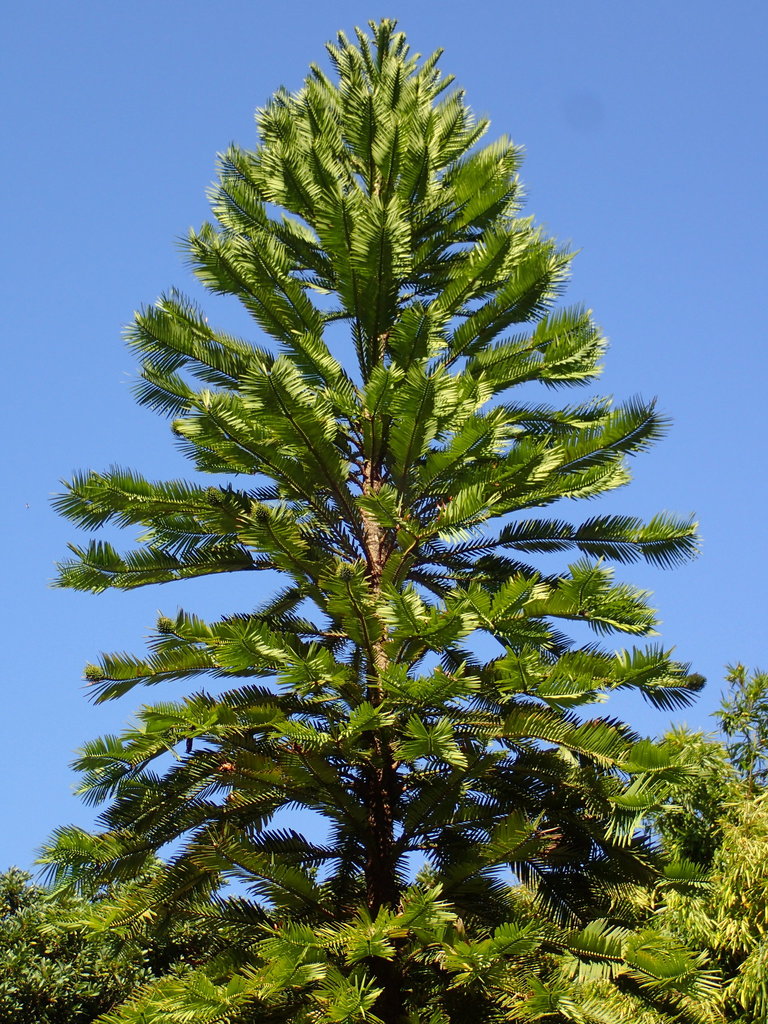
Wollemi pine
Wollemia nobilis
Also calledDinosaur tree (English) · 瓦勒迈杉 wǎlèmàishān (Chinese)
A tree known only from fossils until 1994, when ranger David Noble abseiled into a gorge in Wollemi National Park near Sydney and found a living grove. Fewer than 100 mature trees survive in the wild, in a location kept secret.
Wollemia nobilis is a species of coniferous tree in the family Araucariaceae. It is the single known species in the monotypic genus Wollemia. The species represents one of only three living genera in the family, alongside Araucaria and Agathis, which was discovered in 1994 in a temperate rainforest wilderness area of the Wollemi National Park in New South Wales. It was growing in a remote series of narrow, steep-sided, sandstone gorges 150 km (93 mi) north-west of Sydney. The genus is named after the National Park. Wikipedia
What it can do
- iBelongs to an ancient lineage of the Araucariaceae; pollen like it (Dilwynites) goes back about 90 million years
- iiGrows multiple trunks from its base (coppicing), helping it survive rockfall and fire
- iiiSheds whole branches rather than individual leaves
- ivHas bubbly, chocolate-brown bark often compared to the cereal Coco Pops
At the table
Not eaten.
Fruit & seed
Fruit
Seed cone
Ripens: Matures in about 18 months
Green spherical female cones at branch tips; male cones lower down.


Seed
~1 cm with wing
Small, papery-winged seeds
- Dispersal
- Wind and gravity
- Germination
- Sow fresh at 18–25 °C; germination can be patchy
Photographs from Wikimedia Commons under open licences; hover for the photographer, click for the file.
How to grow it
Hardiness (USDA zones)
USDA 7–10. Survives winters down to about -18 °C.
- Light
- Partial shade to full sun
- Water
- Moderate
- Soil
- Well-drained, slightly acidic
- Propagation
- Cuttings (most plants sold are clones from the 2005 release program)
- To harvest
- Ornamental
- Climates
- Temperate, Subtropical, Oceanic
- 1Buy a nursery-raised plant
- 2Plant in sheltered, well-drained soil or a large pot
- 3Water regularly while young and avoid waterlogging
- 4Never visit the wild site: footsteps carry the deadly Phytophthora cinnamomi root rot
Can it grow where you are?
Where it lives
Recorded sightings
—
geo-referenced records in GBIF, from museums, herbaria and field observers.
Native range
A few sandstone gorges in Wollemi National Park, New South Wales, Australia
Drag the globe to turn it. Dots are where records exist, not a range map; darker means more records.
In the stacks
Searching the stacks…
Every page naming Wollemia nobilis in the Biodiversity Heritage Library →
Marginalia
Its 1994 discovery was compared to finding a living dinosaur. In January 2020, during the Black Summer fires, firefighters were winched in by helicopter and set up irrigation and water drops that saved the wild grove.
Curiosity
Nursery plants were sold worldwide from 2005, partly to remove the incentive for collectors to raid the secret wild grove.
Kinship


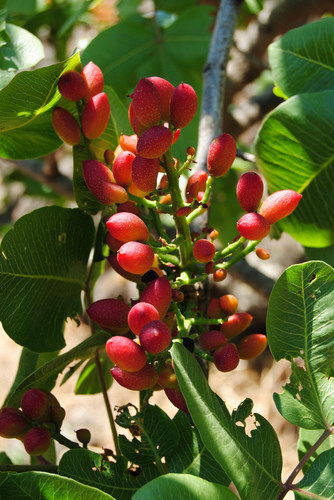
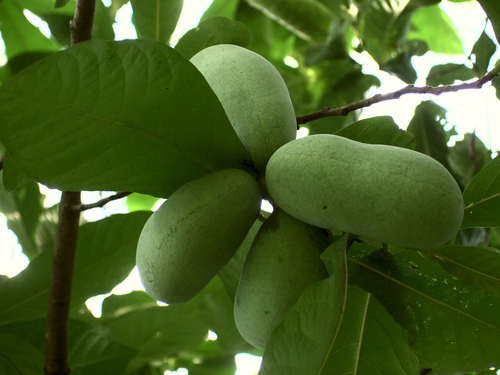
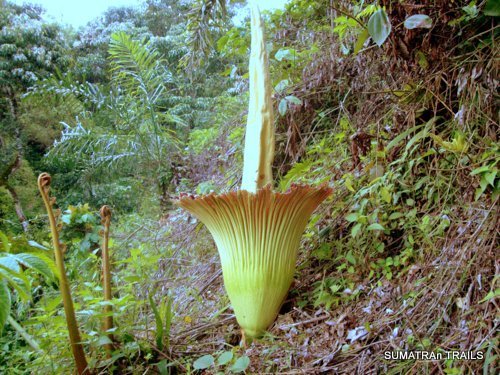
Photographs: iNaturalist contributors under the licences shown. Records: GBIF.org. Historical plates: Source Library (CC BY-SA 4.0; originals public domain). Summary text: Nature Library editors and Wikipedia (CC BY-SA). Medicinal and edibility notes are historical and educational, not advice. iNaturalist taxon 49381.