 NL·0342
Herbarium of the Nature Library
- Name
- Vanellus indicus
- Family
- Charadriidae
- Native to
- Iraq and the Persian Gulf through Iran, Afghanistan, Pakistan, India, Sri Lanka, Nepal and Bangladesh to Southeast Asia
- Habitat
- Farmland, Wetland, Grassland, Urban
On eBird ↗
Red-wattled Lapwing
Live sightings near you, the range map, bar charts of when it is seen, and Macaulay Library photos and recordings.
Red-wattled lapwing
Vanellus indicus
Also calledTiteeri / Teetehri (Urdu/Hindi/Punjabi) · Aalkaatti (Tamil) · Ròu chuí mài jī 肉垂麦鸡 (Chinese) · Did-he-do-it bird
A tall plover with a black cap, white face patch and a red fleshy wattle in front of each eye, whose frantic 'did-he-do-it' calls raise the alarm across South Asian fields, at all hours. It nests on bare ground and even on flat city rooftops.
The red-wattled lapwing is an Asian lapwing or large plover, a wader in the family Charadriidae. Like other lapwings they are ground birds that are incapable of perching. Their characteristic loud alarm calls are indicators of human or animal movements and the sounds have been variously rendered as did he do it or pity to do it leading to the colloquial name of did-he-do-it bird. Usually seen in pairs or small groups not far from water, they sometimes form large aggregations in the non-breeding season (winter). They nest in a ground scrape laying three to four camouflaged eggs. Adults near the nest fly around, diving at potential predators while calling noisily. The cryptically patterned chicks hatch and immediately follow their parents to feed, hiding by lying low on the ground or in the grass when threatened. Wikipedia
What it can do
- iAlerts the whole countryside to approaching people and predators with loud calls
- iiParents dive-bomb intruders and perform broken-wing distraction displays
- iiiSoaks belly feathers to carry water to eggs and chicks in great heat
In the field
Field marks
- aBlack cap, throat and breast with white cheek patch running down to the white belly
- bSmall red fleshy wattle in front of the eye; red bill with black tip
- cPale brown back; long yellow legs
- dBroad white wingbar and black-and-white tail in flight
- Voice
- Loud, shrill 'did-he-do-it, did-he-do-it' or 'pity-to-do-it', often given in flight and at night
- Not to be confused with
- Yellow-wattled lapwing has yellow wattles and yellow legs and lives in drier country; White-tailed lapwing (winter) has a plain grey-brown head and white tail; Sociable lapwing (rare winter visitor to Pakistan and India) has a black cap with white eyebrow.
- Where to see it
- Field edges and canals throughout Punjab and Sindh; city parks in Lahore, Delhi and Colombo
- When
- Resident year-round
Listen
Looking for field recordings…
Life & habits
- Diet
- Insects, snails, worms and other invertebrates
- Habitat
- Open ground near water: field edges, riverbanks, dry lake beds, lawns
- Size
- About 32–35 cm long
Lays its well-camouflaged eggs in a shallow scrape on open ground; the chicks can run and feed themselves within hours of hatching.
Where it lives
Recorded sightings
—
geo-referenced records in GBIF, from museums, herbaria and field observers.
Native range
Iraq and the Persian Gulf through Iran, Afghanistan, Pakistan, India, Sri Lanka, Nepal and Bangladesh to Southeast Asia
Drag the globe to turn it. Dots are where records exist, not a range map; darker means more records.
In the old herbals & bestiaries
No plate in the Source Library names this exact species, so these show its closest relatives as the old naturalists drew them: same genus, or the same kind of animal. Click a plate to read the page it came from, with translation.


In the stacks
Searching the stacks…
Every page naming Vanellus indicus in the Biodiversity Heritage Library →
Marginalia
A widespread South Asian folk tale says the titeeri sleeps on its back with its legs in the air, ready to hold up the sky if it should fall; its Tamil name means 'the one that points out people', after its alarm call.
Kinship


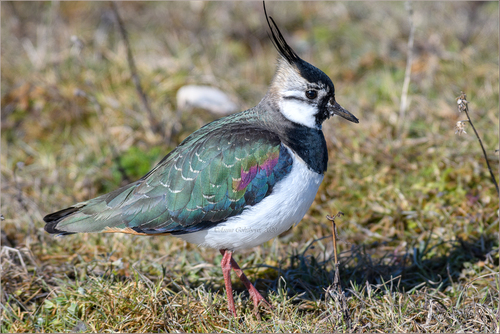
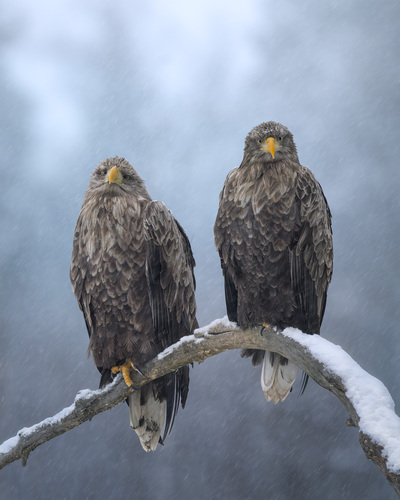
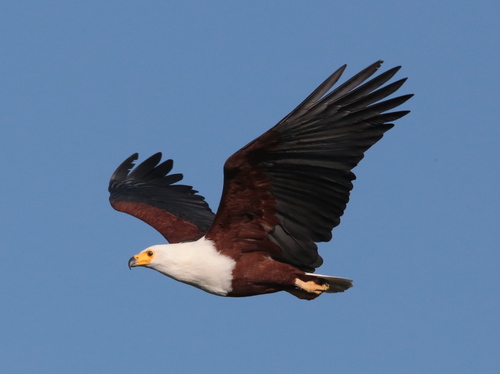
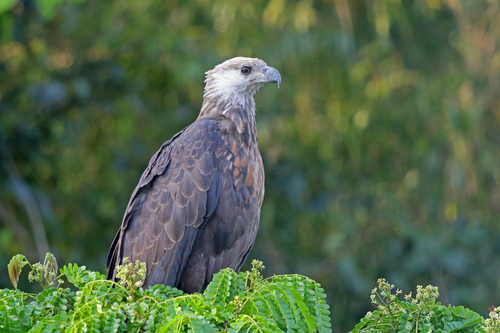
Photographs: iNaturalist contributors under the licences shown. Records: GBIF.org. Historical plates: Source Library (CC BY-SA 4.0; originals public domain). Summary text: Nature Library editors and Wikipedia (CC BY-SA). Medicinal and edibility notes are historical and educational, not advice. iNaturalist taxon 4871.