 NL·0341
Herbarium of the Nature Library
- Name
- Vanellus gregarius
- Family
- Charadriidae
- Native to
- Breeds in the steppes of Kazakhstan and adjacent Russia; winters in Sudan, Eritrea, Saudi Arabia, Oman, Pakistan and northwestern India
- Habitat
- Steppe, Semi-desert, Farmland
On eBird ↗
Sociable Lapwing
Live sightings near you, the range map, bar charts of when it is seen, and Macaulay Library photos and recordings.
Sociable lapwing
Vanellus gregarius
Also calledKretchetka (Russian) · Sürmeli kızkuşu (Turkish) · Steppenkiebitz (German) · Vanneau sociable (French) · Avefría sociable (Spanish)
A Critically Endangered steppe plover that breeds in Kazakhstan and southern Russia and winters in Sudan, Arabia and the Indian subcontinent. Satellite tagging revealed migration routes through Syria and Iraq where hunting kills many.
The sociable lapwing, referred to as the sociable plover in the UK, is a wader in the plover family. It is a fully migratory bird, breeding in Kazakhstan and wintering in the Middle East, Indian subcontinent, and Sudan with a very small wintering population in Iberia. Historical literature referred to this bird as the black-bellied lapwing. Wikipedia
What it can do
- iBreeds in loose colonies on heavily grazed steppe, often near villages
- iiTravels in flocks along a long overland migration route
- iiiRelies on grazing livestock to keep steppe vegetation short
- ivUses fallow fields and short grassland on migration
In the field
Field marks
- aBlack crown and eye-stripe with a bold white eyebrow
- bSandy-grey body; breeding adults have a black-and-chestnut belly
- cBlack primaries, white secondaries and black tail band in flight
- dLong dark legs
- Voice
- A harsh, grating 'kretch-kretch-kretch', the basis of its Russian name.
- Not to be confused with
- White-tailed lapwing has a plain head and an all-white tail. Northern lapwing has a long crest and dark green back. Cream-coloured courser is smaller and runs fast with a curved bill.
- Where to see it
- Breeding colonies in the Korgalzhyn region of Kazakhstan; wintering birds in Oman, Pakistan and Gujarat/Rajasthan; passage in southeastern Turkey.
- When
- Summer visitor to Kazakhstan Apr–Aug; winter visitor Oct–Mar
Listen
Looking for field recordings…
Life & habits
- Diet
- Beetles, grasshoppers and other insects; some seeds
- Habitat
- Dry steppe with short, grazed vegetation; arable land and semi-desert in winter
- Size
- 27–30 cm; wingspan 70–76 cm; 150–260 g
Gathers in flocks at stopover sites in autumn, feeding on fallow and stubble fields.
Where it lives
Recorded sightings
—
geo-referenced records in GBIF, from museums, herbaria and field observers.
Native range
Breeds in the steppes of Kazakhstan and adjacent Russia; winters in Sudan, Eritrea, Saudi Arabia, Oman, Pakistan and northwestern India
Drag the globe to turn it. Dots are where records exist, not a range map; darker means more records.
In the old herbals & bestiaries
No plate in the Source Library names this exact species, so these show its closest relatives as the old naturalists drew them: same genus, or the same kind of animal. Click a plate to read the page it came from, with translation.


In the stacks
Searching the stacks…
Every page naming Vanellus gregarius in the Biodiversity Heritage Library →
Marginalia
Pallas described it from the Russian steppe in 1771, and its sharp call gave it the Russian name 'kretchetka'.
Curiosity
In 2007 satellite-tracked birds led researchers to a flock of about 3,200 sociable lapwings in southeastern Turkey, far more than anyone thought survived.
Kinship

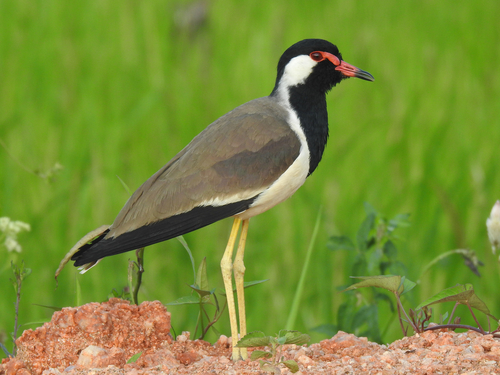
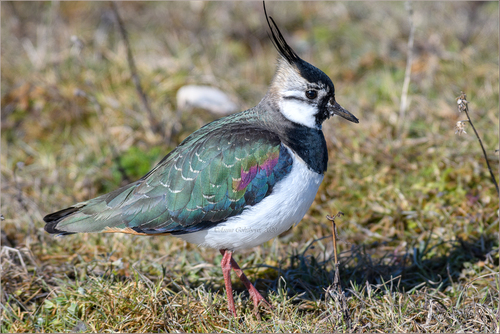


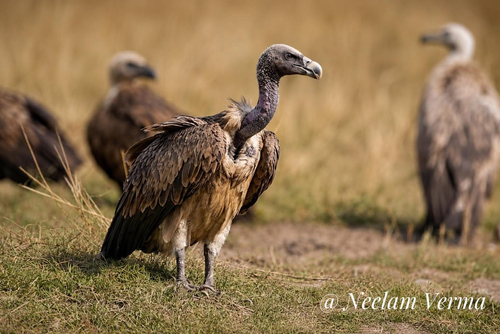
Photographs: iNaturalist contributors under the licences shown. Records: GBIF.org. Historical plates: Source Library (CC BY-SA 4.0; originals public domain). Summary text: Nature Library editors and Wikipedia (CC BY-SA). Medicinal and edibility notes are historical and educational, not advice. iNaturalist taxon 4858.