- Animals
- ›Arthropods
- ›Hexapods
- ›Insects
- ›Winged and Once-winged Insects
- ›Beetles
- ›Water, Rove, Scarab, Long-horned, Leaf, and Snout Beetles
- ›Cucujiform Beetles
- ›Lady, Fungus, Scavenger, and Bark Beetles

Lady Beetles
Coccinellidae
Coccinellidae ( ) is a widespread family of small beetles. They are commonly known as ladybugs in North America and ladybirds in the United Kingdom, Australia, New Zealand, Ireland, and other English speaking territories; "lady" refers to Mary, the mother of Jesus. Entomologists use the names ladybird beetles or lady beetles to avoid confusion with true bugs. The more than 6,000 described species have a global distribution and are found in a variety of habitats. They are oval beetles with a domed back and flat underside. Many of the species have conspicuous aposematic (warning) colours and patterns, such as red with black spots, that warn potential predators that they taste bad.
Most coccinellid species are carnivorous predators, preying on insects such as aphids and scale insects. Other species are known to consume non-animal matter, including plants and fungi. They are promiscuous breeders, reproducing in spring and summer in temperate regions and during the wet season in tropical regions. Many predatory species lay their eggs near colonies of prey, providing their larvae with a food source. Like most insects, they develop from larva to pupa to adult. Temperate species hibernate and diapause during the winter; tropical species are dormant during the dry season. Coccinellids migrate between dormancy and breeding sites.
12 branches of this family, most-observed first

Common Lady Beetles
subfamilyCoccinellinae

Scale-feeding Lady Beetles
subfamilyChilocorinae

Scymninae
subfamilyScymninae

Coccidulinae
subfamilyCoccidulinae

Ortaliinae
subfamilyOrtaliinae
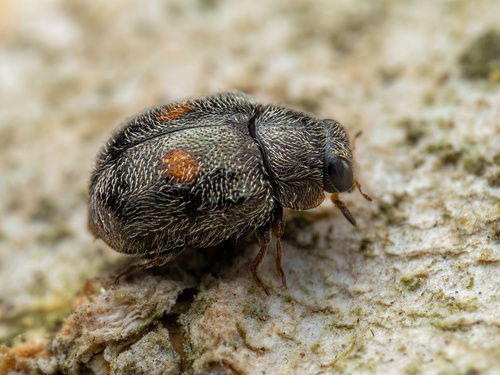
Sticholotidinae
subfamilySticholotidinae
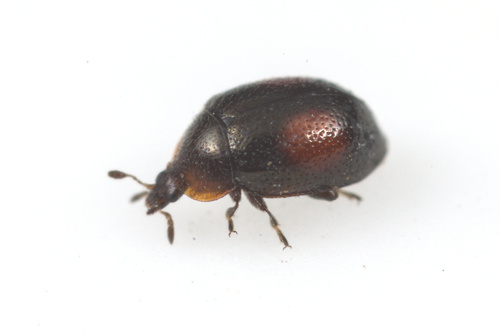
Microweiseinae
subfamilyMicroweiseinae
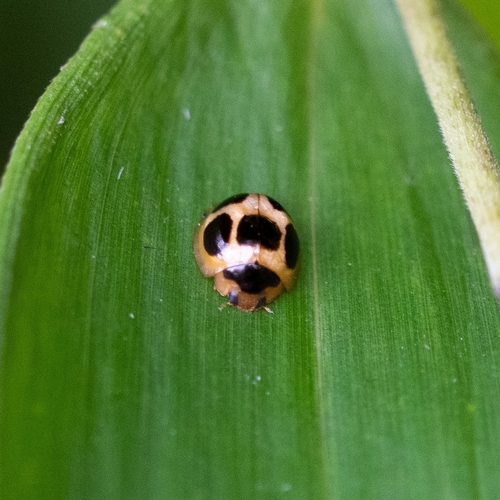
Exoplectrinae
subfamilyExoplectrinae

Pseudoazya
genusPseudoazya
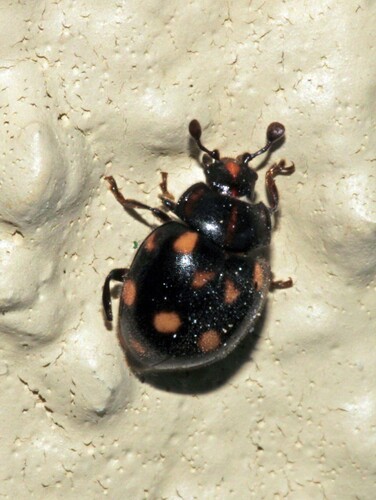
Monocoryninae
subfamilyMonocoryninae
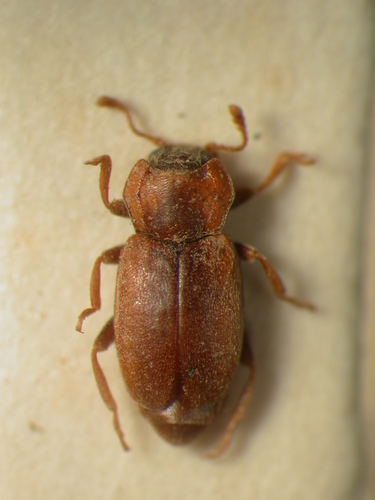
Mimolithophilus
genusMimolithophilus
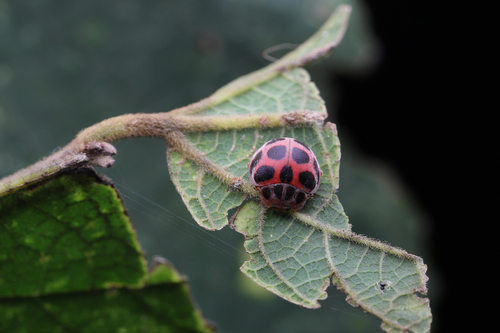
Singhikalia
genusSinghikalia
Where it lives
Recorded sightings
—
geo-referenced records in GBIF, from museums, herbaria and field observers.
Drag the globe to turn it. Dots are where records exist, not a range map; darker means more records.
In the stacks
Searching the stacks…
Every page naming Coccinellidae in the Biodiversity Heritage Library →
This page is assembled live from iNaturalist, GBIF, Wikipedia, the Source Library and the Internet Archive. It is not yet part of the hand-edited codex. iNaturalist taxon 48486.