
Dragonflies
Anisoptera
A dragonfly is a flying insect belonging to the suborder Anisoptera of the order Odonata. About 3,000 living species of dragonflies are known. Most are tropical, with fewer species in temperate regions. Loss of wetland habitat threatens dragonfly populations around the world. Adult dragonflies are characterised by a pair of large, multifaceted, compound eyes, two pairs of strong, transparent wings, sometimes with coloured patches, and an elongated body. Many dragonflies have brilliant iridescent or metallic colours produced by structural coloration, making them conspicuous in flight. An adult dragonfly's compound eyes have nearly 24,000 ommatidia each.
Dragonflies can be mistaken for the closely related damselflies, which make up the suborder Zygoptera and are similar in body plan, though usually lighter in build; however, the wings of most dragonflies are held flat and away from the body, while damselflies hold their wings folded at rest, along or above the abdomen. Dragonflies are agile fliers, while damselflies have a weaker, fluttery flight. Dragonflies make use of motion camouflage when attacking prey or rivals.
6 branches of this suborder, most-observed first · about 3,136 known species

Libelluloidea
superfamilyLibelluloidea

Aeshnoidea
superfamilyAeshnoidea
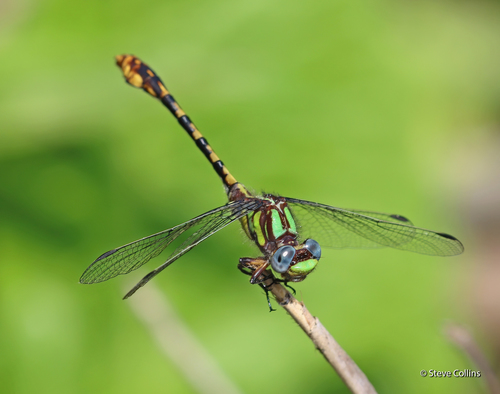
Gomphoidea
superfamilyGomphoidea

Cordulegastroidea
superfamilyCordulegastroidea
Protolindeniidae
familyProtolindeniidae
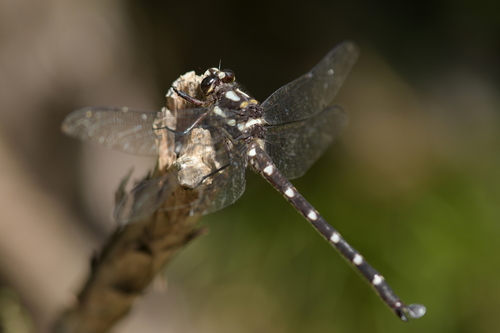
Petaluroidea
superfamilyPetaluroidea
Where it lives
Recorded sightings
—
geo-referenced records in GBIF, from museums, herbaria and field observers.
Drag the globe to turn it. Dots are where records exist, not a range map; darker means more records.
In the stacks
Searching the stacks…
Every page naming Anisoptera in the Biodiversity Heritage Library →
This page is assembled live from iNaturalist, GBIF, Wikipedia, the Source Library and the Internet Archive. It is not yet part of the hand-edited codex. iNaturalist taxon 47927.