 NL·0325
Herbarium of the Nature Library
- Name
- Gymnogyps californianus
- Family
- Cathartidae
- Native to
- Formerly much of western North America (Pleistocene range continent-wide); reintroduced in California, Arizona–Utah, northern Baja California and, since 2022, the Pacific Northwest
- Habitat
- Mountain canyons, Coastal cliffs, Oak savanna, Desert plateau
On eBird ↗
California Condor
Live sightings near you, the range map, bar charts of when it is seen, and Macaulay Library photos and recordings.
California condor
Gymnogyps californianus
Also calledCóndor de California (Spanish) · Prey-go-neesh (Yurok)
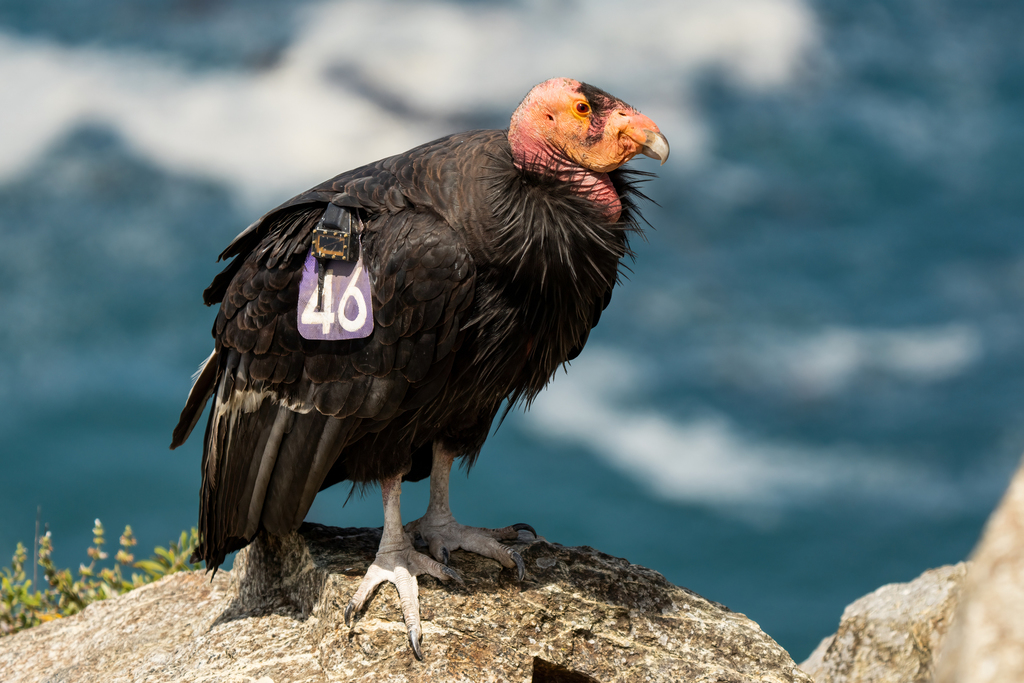
North America's largest flying land bird, with a wingspan near 3 m. It went extinct in the wild in 1987 when the last wild bird was captured, leaving 27 condors, all in captivity; captive breeding and releases have since rebuilt the population to several hundred.
The California condor is a New World vulture and the largest North American land bird. It became extinct in the wild in 1987 when all remaining wild individuals were captured, but has since been reintroduced to northern Arizona and southern Utah, the coastal mountains of California, and northern Baja California in Mexico. It is the only surviving member of the genus Gymnogyps, although four extinct members of the genus are also known. The species is listed by IUCN as critically endangered, and similarly considered Critically Imperiled by NatureServe. Wikipedia
What it can do
- iSoars for hours on thermals and covers well over 200 km in a day
- iiWingspan up to about 2.9 m
- iiiCan live 60 years or more
- ivLays one egg every one to two years
In the field
Field marks
- aVery large, black, with white triangular linings on the underwing
- bAdults have a bare orange-pink head; juveniles a dusky grey head
- cBlack ruff of feathers around the neck
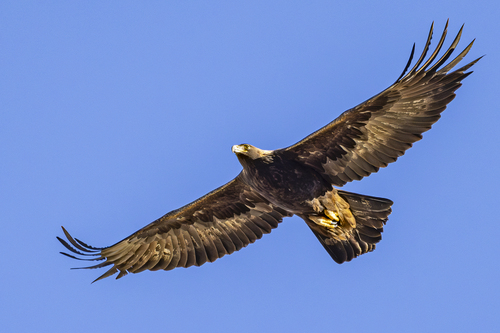
- dFlat, steady soaring with long, fingered primaries; usually carries numbered wing tags
- Voice
- No song; hisses and grunts at carcasses.
- Not to be confused with
- Turkey Vulture is much smaller, rocks in flight and shows silvery flight feathers (not white linings). Golden Eagle has a feathered head and a longer tail with no white underwing triangle in adults.
- Where to see it
- Vermilion Cliffs National Monument and the South Rim of the Grand Canyon (Arizona), Pinnacles National Park and Big Sur (California), Zion National Park (Utah).
- When
- Resident year-round
Listen
Looking for field recordings…
Life & habits
- Diet
- Carrion of large mammals — deer, cattle, marine mammals
- Habitat
- Rugged mountains, canyons and coastal ranges with open foraging country
- Size
- 117–134 cm; wingspan up to about 2.9 m; 8–14 kg
- Lifespan
- Up to 60 years or more
Wild-released birds carry numbered wing tags and GPS transmitters so biologists can trap and test them for lead poisoning.
Where it lives
Recorded sightings
—
geo-referenced records in GBIF, from museums, herbaria and field observers.
Native range
Formerly much of western North America (Pleistocene range continent-wide); reintroduced in California, Arizona–Utah, northern Baja California and, since 2022, the Pacific Northwest
Drag the globe to turn it. Dots are where records exist, not a range map; darker means more records.
In the stacks
Searching the stacks…
Every page naming Gymnogyps californianus in the Biodiversity Heritage Library →
Marginalia
The Yurok people of northern California, who call it prey-go-neesh, regard it as a sacred bird; in 2022 the Yurok Tribe began releasing condors in Redwood National Park.
Curiosity
By the end of 2025 the US Fish and Wildlife Service counted 607 California condors, 392 of them flying free; lead poisoning from ammunition fragments remains the main cause of death.
Kinship


Fact-checked: 1 correction made to this sheet. Photographs: iNaturalist contributors under the licences shown. Records: GBIF.org. Historical plates: Source Library (CC BY-SA 4.0; originals public domain). Summary text: Nature Library editors and Wikipedia (CC BY-SA). Medicinal and edibility notes are historical and educational, not advice. iNaturalist taxon 4778.