- Animals
- ›Arthropods
- ›Hexapods
- ›Insects
- ›Winged and Once-winged Insects
- ›Ants, Bees, Wasps, and Sawflies
- ›Narrow-waisted Wasps, Ants, and Bees
- ›Ants, Bees, and Stinging Wasps
- ›Formicoidea
- ›Ants
- ›Myrmicine Ants
- ›Crematogastrini

Acrobat Ants and Cocktail Ants
Crematogaster
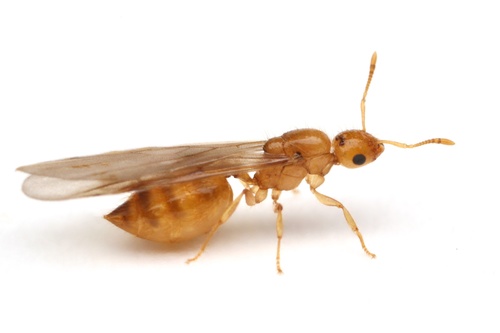
Crematogaster is an ecologically diverse genus of ants found worldwide, which are characterised by a distinctive heart-shaped gaster (abdomen), which gives them one of their common names, the Saint Valentine ant. Members of this genus are also known as cocktail ants because of their habit of raising their abdomens when alarmed. Most species are arboreal (tree-dwelling). These ants are also known as acrobat ants.
Cocktail ants acquire food largely through predation on other insects, such as wasps. They use venom to stun their prey and a complex trail-laying process to lead comrades to food sources. Like most ants, Crematogaster species reproduce by partaking in nuptial flights, where the queen acquires the sperm used to fertilize every egg throughout her life.
2 branches of this genus, most-observed first
See this branch on the Wheel of Life →
Where it lives
Recorded sightings
—
geo-referenced records in GBIF, from museums, herbaria and field observers.
Drag the globe to turn it. Dots are where records exist, not a range map; darker means more records.
In the stacks
Searching the stacks…
Every page naming Crematogaster in the Biodiversity Heritage Library →
This page is assembled live from iNaturalist, GBIF, Wikipedia, the Source Library and the Internet Archive. It is not yet part of the hand-edited codex. iNaturalist taxon 47342.