- Animals
- ›Chordates
- ›Vertebrates
- ›Mammals
- ›Therians
- ›Placental Mammals
- ›Armadillos, Sloths, and Anteaters
- ›Sloths and Anteaters
- ›Sloths
- ›Two-toed Sloths
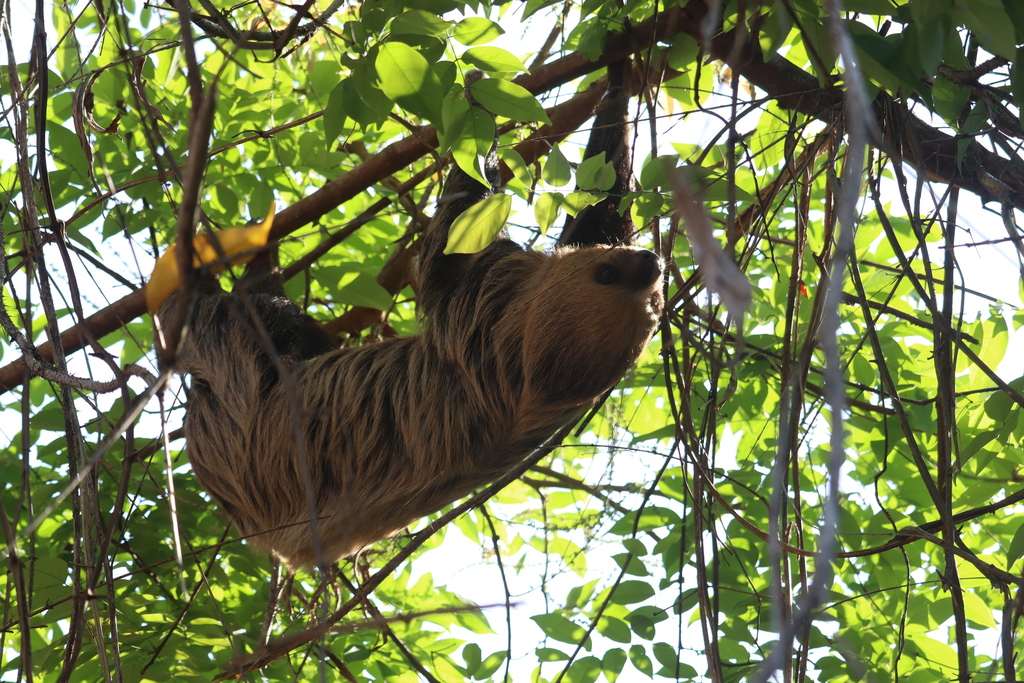
Two-Toed Sloths
Choloepus
Choloepus is a genus of xenarthran mammals from Central and South America within the monotypic family Choloepodidae, consisting of two-toed sloths, sometimes also called two-fingered sloths. The two species of Choloepus (which means "lame foot" in Ancient Greek), Linnaeus's two-toed sloth (Choloepus didactylus) and Hoffmann's two-toed sloth (Choloepus hoffmanni), were formerly believed on the basis of morphological studies to be the only surviving members of the sloth family Megalonychidae, but have now been shown by molecular results to be closest to extinct ground sloths of the family Mylodontidae.
2 branches of this genus, most-observed first · about 2 known species
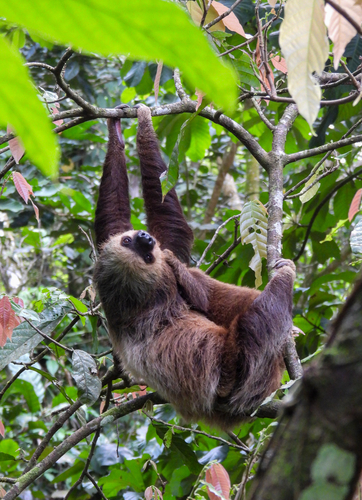
Hoffmann's Two-toed Sloth
speciesCholoepus hoffmanni
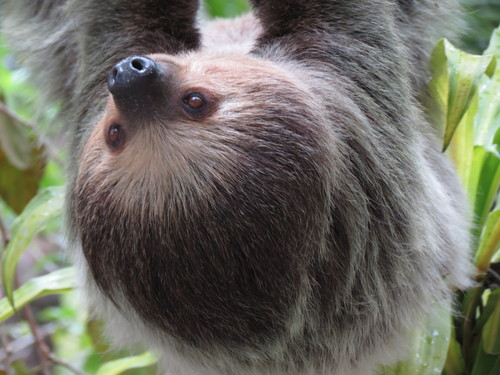
Linnaeus's Two-toed Sloth
speciesCholoepus didactylus
Where it lives
Recorded sightings
—
geo-referenced records in GBIF, from museums, herbaria and field observers.
Drag the globe to turn it. Dots are where records exist, not a range map; darker means more records.
In the stacks
Searching the stacks…
Every page naming Choloepus in the Biodiversity Heritage Library →
This page is assembled live from iNaturalist, GBIF, Wikipedia, the Source Library and the Internet Archive. It is not yet part of the hand-edited codex. iNaturalist taxon 47099.