- Animals
- ›Arthropods
- ›Hexapods
- ›Insects
- ›Winged and Once-winged Insects
- ›Ants, Bees, Wasps, and Sawflies
- ›Narrow-waisted Wasps, Ants, and Bees
- ›Ants, Bees, and Stinging Wasps
- ›Bees and Apoid Wasps
- ›Bees
- ›Honey Bees, Bumble Bees, and Allies
- ›Apine Bees

Melectini
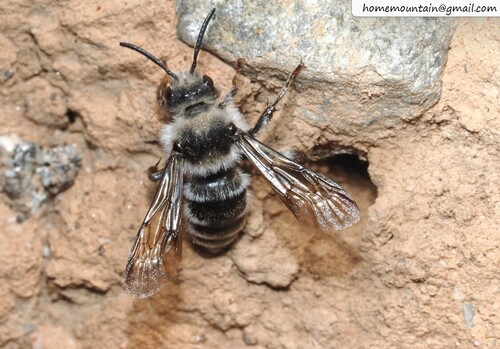
The Melectini are a tribe of medium- to large-sized cuckoo bees in the family Apidae, found essentially worldwide. They are brood parasites of the related typical digger bees (Anthophorini) and occasionally visit flowers.
As in other cuckoo bees, females can be easily distinguished from those of their hosts by the lack of scopae and other pollen-collecting adaptations, as well as lacking prepygidial fimbria and basitibial plates. Their body hair is rather short and on the abdomen lies flat against the exoskeleton. They may, therefore, be difficult at first glance to distinguish from the Nomadinae, but the details of their wing venation are characteristic: the marginal cell is shorter than the first two submarginal cells, and the second abscissa of vein M+Cu is extremely short, with the cells it connects being almost adjacent to each other. The jugal lobes are very small, less than half as long as the vannal lobes.
8 branches of this tribe, most-observed first
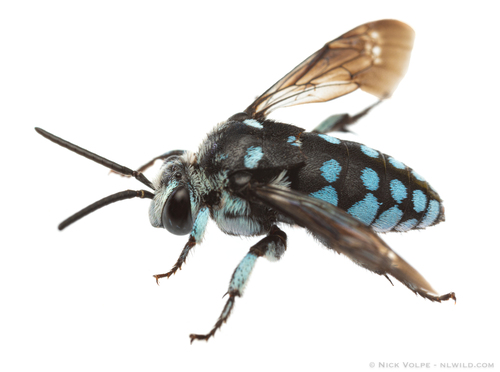
Cloak-and-Dagger Bees
genusThyreus

Mourning Bees
genusMelecta

Brachymelecta
genusBrachymelecta
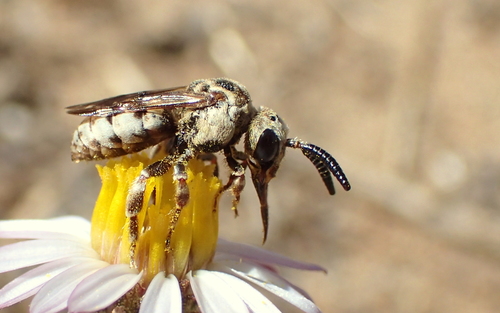
Zacosmia
genusZacosmia
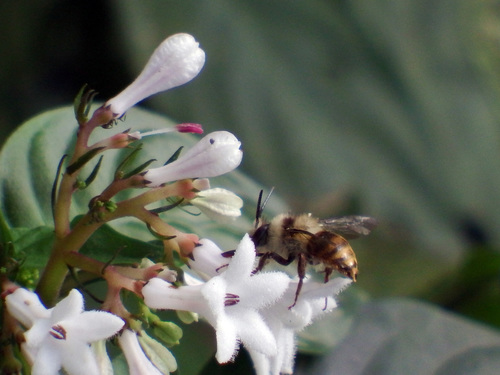
Tetralonioidella
genusTetralonioidella
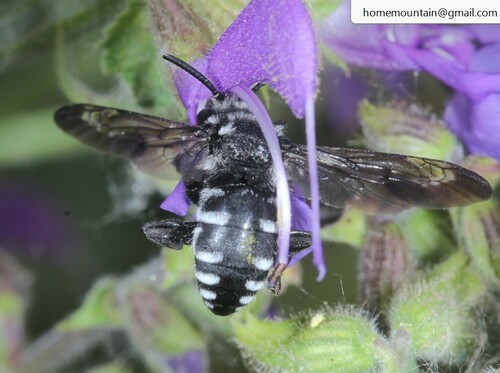
Thyreomelecta
genusThyreomelecta
Sinomelecta
genusSinomelecta
Patchwork Cuckoo Bees
genusAfromelecta
Where it lives
Recorded sightings
—
geo-referenced records in GBIF, from museums, herbaria and field observers.
Drag the globe to turn it. Dots are where records exist, not a range map; darker means more records.
In the stacks
Searching the stacks…
Every page naming Melectini in the Biodiversity Heritage Library →
This page is assembled live from iNaturalist, GBIF, Wikipedia, the Source Library and the Internet Archive. It is not yet part of the hand-edited codex. iNaturalist taxon 467035.