- Animals
- ›Chordates
- ›Vertebrates
- ›Mammals
- ›Therians
- ›Placental Mammals
- ›Primates, Rodents, and Allies
- ›Primates
- ›Monkeys, Apes, and Tarsiers
- ›Monkeys and Apes
- ›Apes and Old World Monkeys
- ›Old World Monkeys
- ›Colobines
- ›Langurs, Surilis, and Lutungs
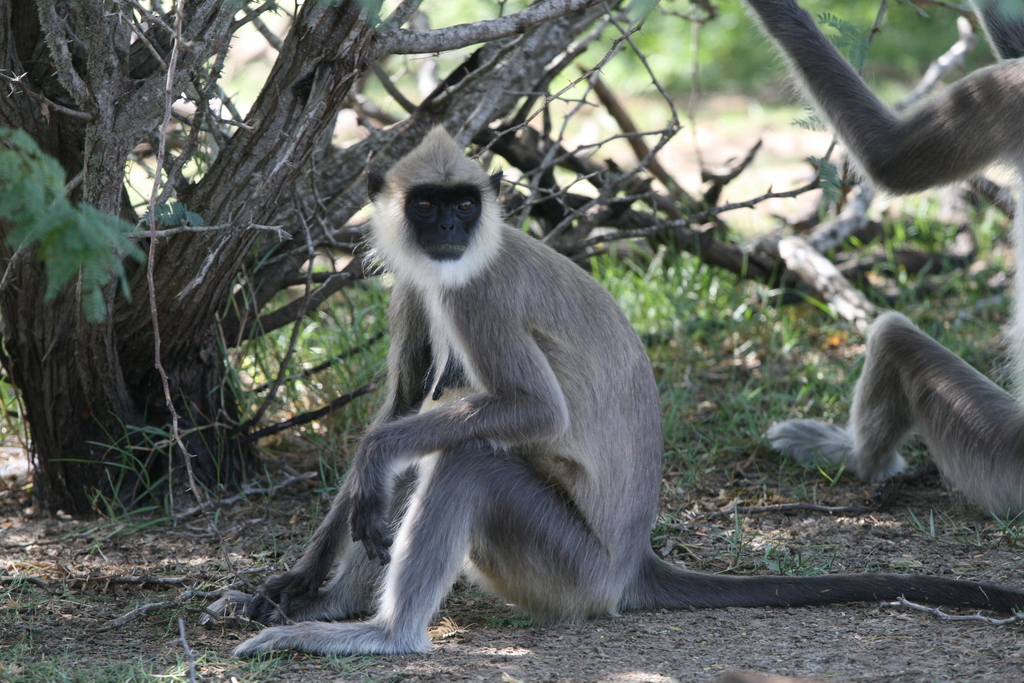
Grey and Nilgiri Langurs
Semnopithecus
Gray langurs or Hanuman langurs, the most widespread langurs of the Indian Subcontinent, are a group of Old World monkeys constituting the entirety of the genus Semnopithecus (from Ancient Greek σεμνός semnós, “revered, august, holy”, and πίθηκος píthēkos, “ape, monkey”). All taxa have traditionally been placed in the single species Semnopithecus entellus. In 2001, it was recommended that several distinctive former subspecies should be given species status, so that seven species are recognized. A taxonomic classification...
9 branches of this genus, most-observed first · about 8 known species
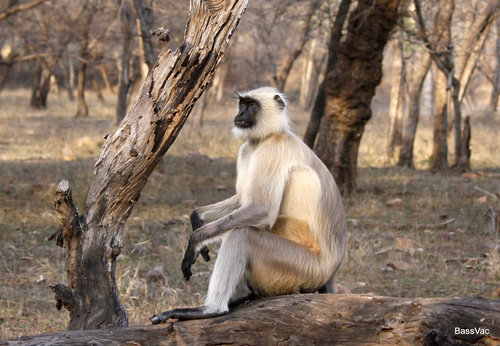
Bengal Sacred Langur
speciesSemnopithecus entellus
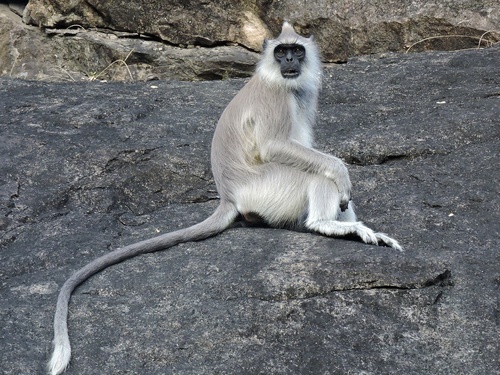
Tufted Gray Langur
speciesSemnopithecus priam
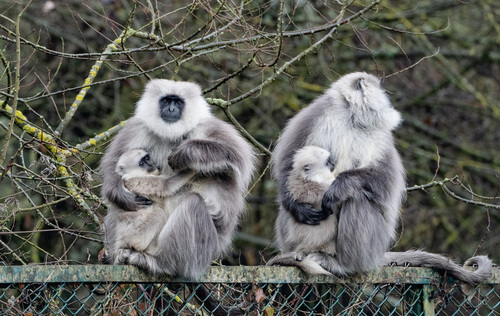
Nepal Sacred Langur
speciesSemnopithecus schistaceus
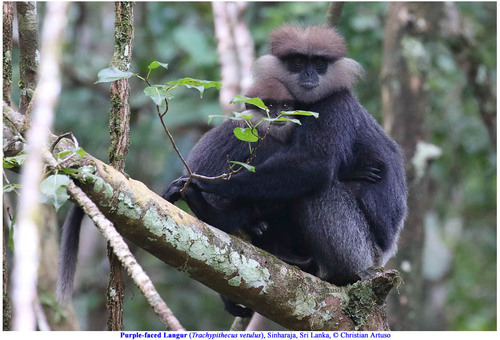
Purple-faced Langur
speciesSemnopithecus vetulus
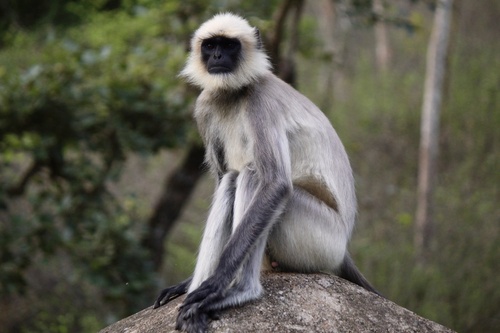
Malabar Sacred Langur
speciesSemnopithecus hypoleucos
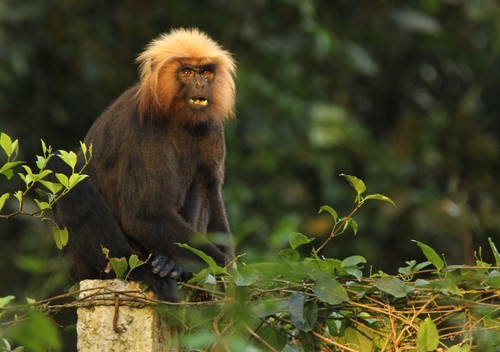
Nilgiri Langur
speciesSemnopithecus johnii

Terai Sacred Langur
speciesSemnopithecus hector

Chamba Sacred Langur
speciesSemnopithecus ajax
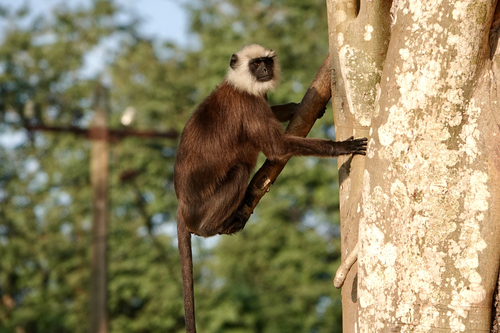
Nilgiri Langur × Tufted Gray Langur
hybridSemnopithecus johnii × priam
Where it lives
Recorded sightings
—
geo-referenced records in GBIF, from museums, herbaria and field observers.
Drag the globe to turn it. Dots are where records exist, not a range map; darker means more records.
In the stacks
Searching the stacks…
Every page naming Semnopithecus in the Biodiversity Heritage Library →
This page is assembled live from iNaturalist, GBIF, Wikipedia, the Source Library and the Internet Archive. It is not yet part of the hand-edited codex. iNaturalist taxon 43520.