- Animals
- ›Arthropods
- ›Hexapods
- ›Insects
- ›Winged and Once-winged Insects
- ›Ants, Bees, Wasps, and Sawflies
- ›Narrow-waisted Wasps, Ants, and Bees
- ›Ants, Bees, and Stinging Wasps
- ›Formicoidea
- ›Ants
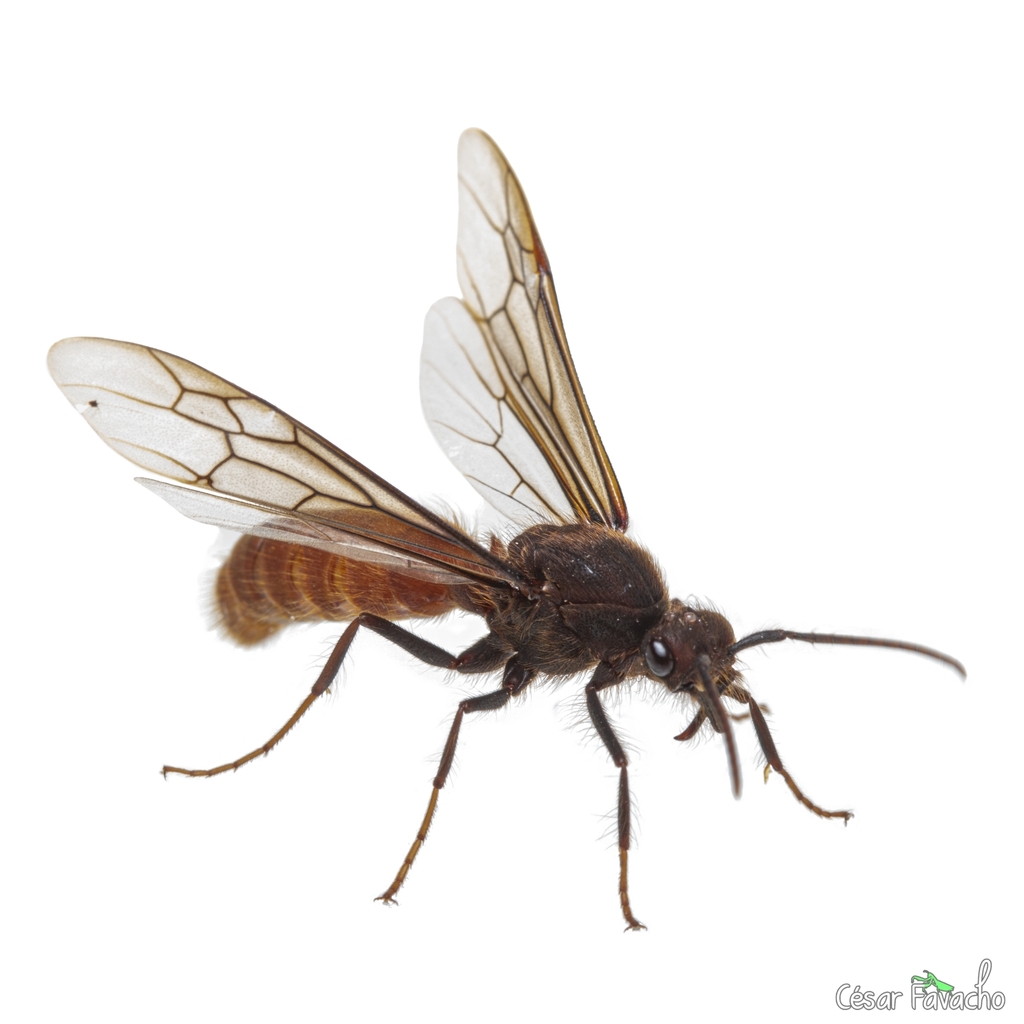
Army Ants and Allies
Dorylinae
Dorylinae is an ant subfamily, with distributions in both the Old World and New World. Brady et al. (2014) synonymized the previous dorylomorph subfamilies (Aenictinae, Aenictogitoninae, Cerapachyinae, Ecitoninae, and Leptanilloidinae) under Dorylinae, while Borowiec (2016) reviewed and revised the genera, resurrecting many genera which had previously been merged. Dorylinae genera are suggested to have evolved sometime between 102 to 74 million years ago, subsequently undergoing rapid adaptive radiation events during their early history. Dorylinae ants including Eciton species, exhibit army ant behavior. Non-army Doryline ants like Yunodorylus provides evolution of the army ant adaptive syndrome, including group foraging, nomadism, and specialized queens.
27 branches of this subfamily, most-observed first

Eciton Army Ants
genusEciton

Driver Ants and Allies
genusDorylus

Labidus Army Ants
genusLabidus

Legionary Ants
genusNeivamyrmex

Aenictus Army Ants
genusAenictus

Nomamyrmex Army Ants
genusNomamyrmex
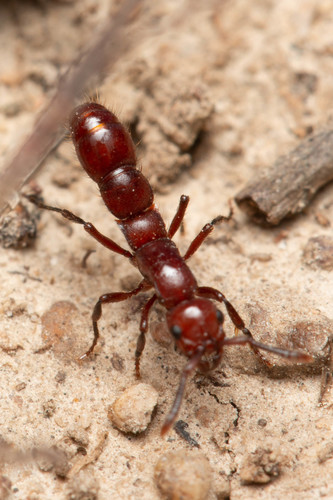
Lioponera
genusLioponera

Ooceraea
genusOoceraea
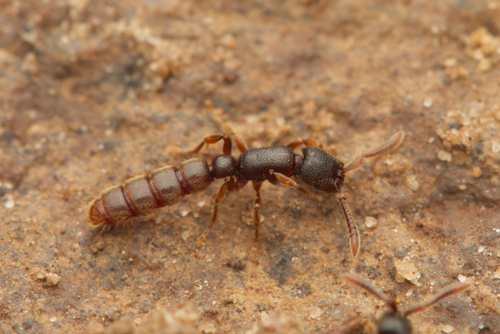
Zasphinctus
genusZasphinctus

Acanthostichus
genusAcanthostichus
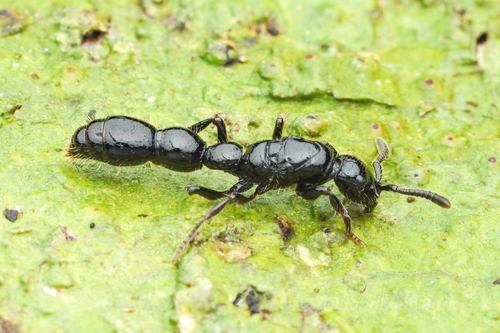
Cerapachys
genusCerapachys

Cylindromyrmex
genusCylindromyrmex

Cheliomyrmex Army Ants
genusCheliomyrmex

Syscia
genusSyscia
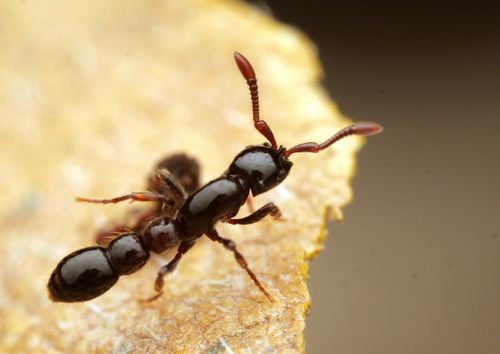
Parasyscia
genusParasyscia

Chrysapace
genusChrysapace
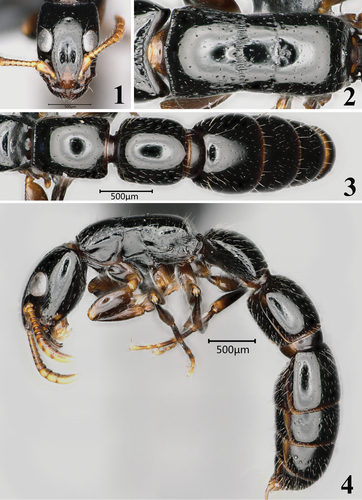
Simopone
genusSimopone
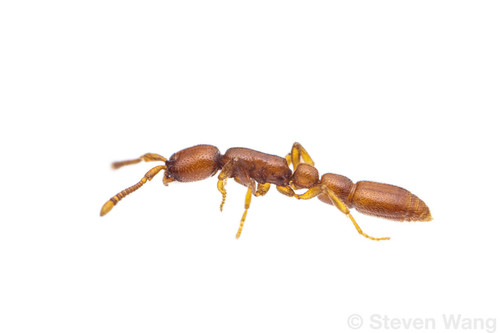
Eburopone
genusEburopone
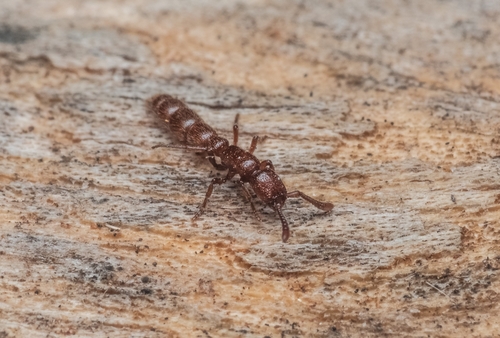
Eusphinctus
genusEusphinctus
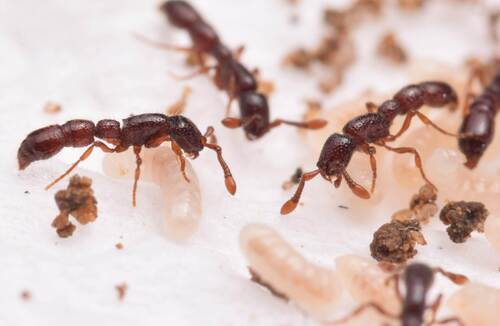
Neocerapachys
genusNeocerapachys
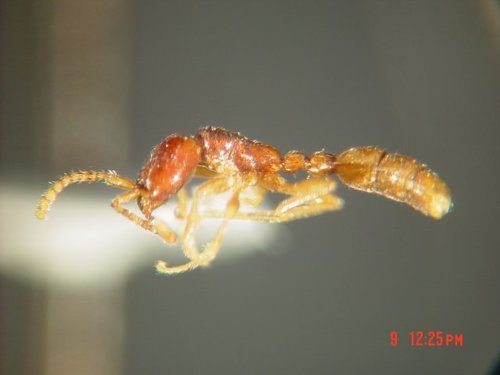
Leptanilloides
genusLeptanilloides
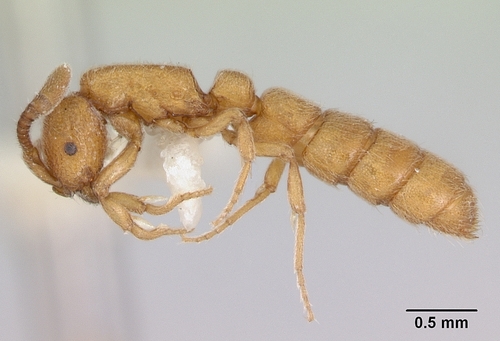
Sphinctomyrmex
genusSphinctomyrmex
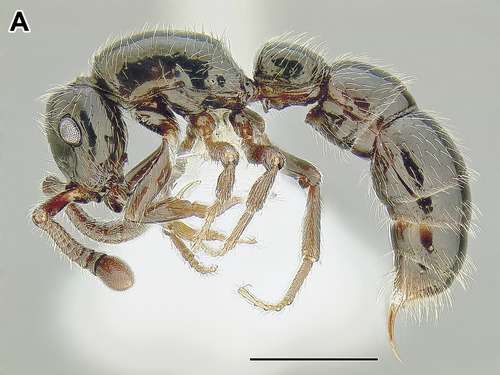
Lividopone
genusLividopone
Yunodorylus
genusYunodorylus
Tanipone
genusTanipone
Vicinopone
genusVicinopone
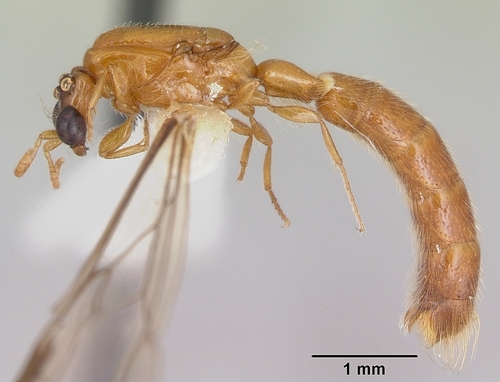
Aenictogiton
genusAenictogiton
Where it lives
Recorded sightings
—
geo-referenced records in GBIF, from museums, herbaria and field observers.
Drag the globe to turn it. Dots are where records exist, not a range map; darker means more records.
In the stacks
Searching the stacks…
Every page naming Dorylinae in the Biodiversity Heritage Library →
This page is assembled live from iNaturalist, GBIF, Wikipedia, the Source Library and the Internet Archive. It is not yet part of the hand-edited codex. iNaturalist taxon 428216.