- Animals
- ›Arthropods
- ›Hexapods
- ›Insects
- ›Winged and Once-winged Insects
- ›Beetles
- ›Ground and Water Beetles
- ›Ground beetles and allies
- ›Ground Beetles
- ›Pterostichinae
- ›Woodland Ground Beetles
- ›Euchroina
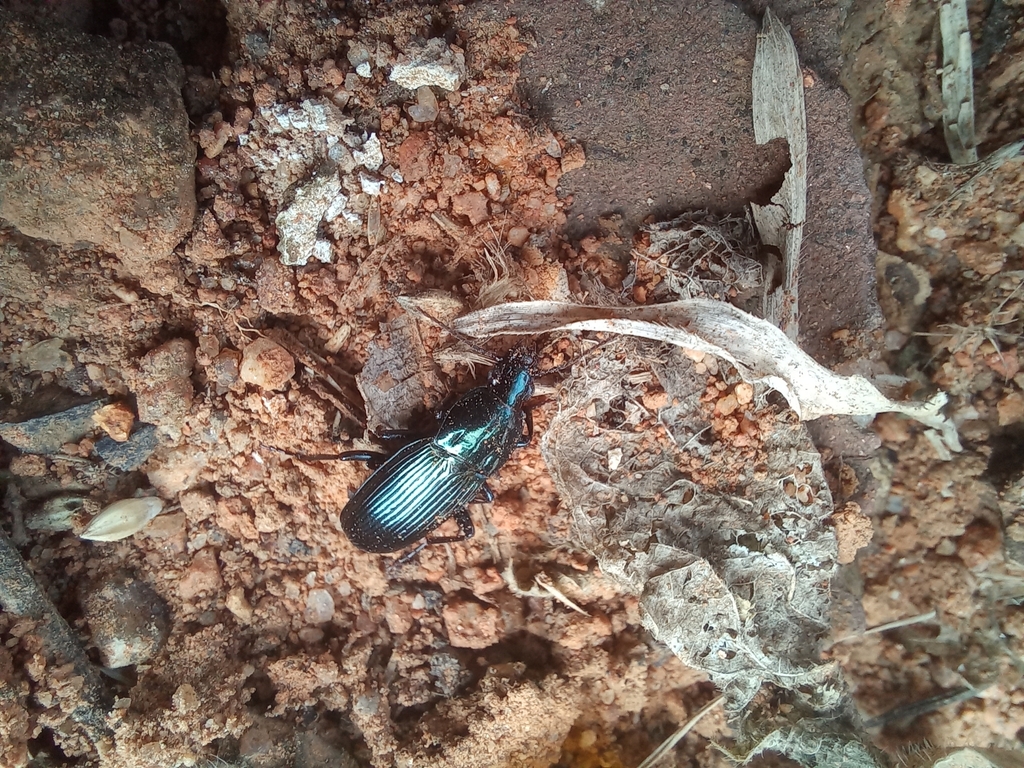
Marsyas
In Greek mythology, the satyr Marsyas (; Ancient Greek: Μαρσύας) is a central figure in two stories involving music: in one, he picked up the double oboe (aulos) that had been abandoned by Athena and played it; in the other, he challenged Apollo to a contest of music and lost his hide and life. Literary sources from antiquity often emphasize the hubris of Marsyas and the justice of his punishment.
One strand of modern comparative mythography regards the domination of Marsyas by Apollo as an example of myth that recapitulates a supposed supplanting by the Olympian pantheon of an earlier "Pelasgian" religion of chthonic heroic ancestors and nature spirits.
0 branches of this genus, most-observed first
See this branch on the Wheel of Life →Where it lives
Recorded sightings
—
geo-referenced records in GBIF, from museums, herbaria and field observers.
Drag the globe to turn it. Dots are where records exist, not a range map; darker means more records.
In the stacks
Searching the stacks…
Every page naming Marsyas in the Biodiversity Heritage Library →
This page is assembled live from iNaturalist, GBIF, Wikipedia, the Source Library and the Internet Archive. It is not yet part of the hand-edited codex. iNaturalist taxon 422932.