- Animals
- ›Chordates
- ›Vertebrates
- ›Mammals
- ›Therians
- ›Placental Mammals
- ›Ungulates, Carnivorans, and Allies
- ›Even-toed Ungulates and Cetaceans
- ›Cetaceans and Hippopotamuses
- ›Cetaceans
- ›Toothed Whales
- ›Oceanic Dolphins and Porpoises
- ›Oceanic Dolphins
- ›Long-nosed Dolphins
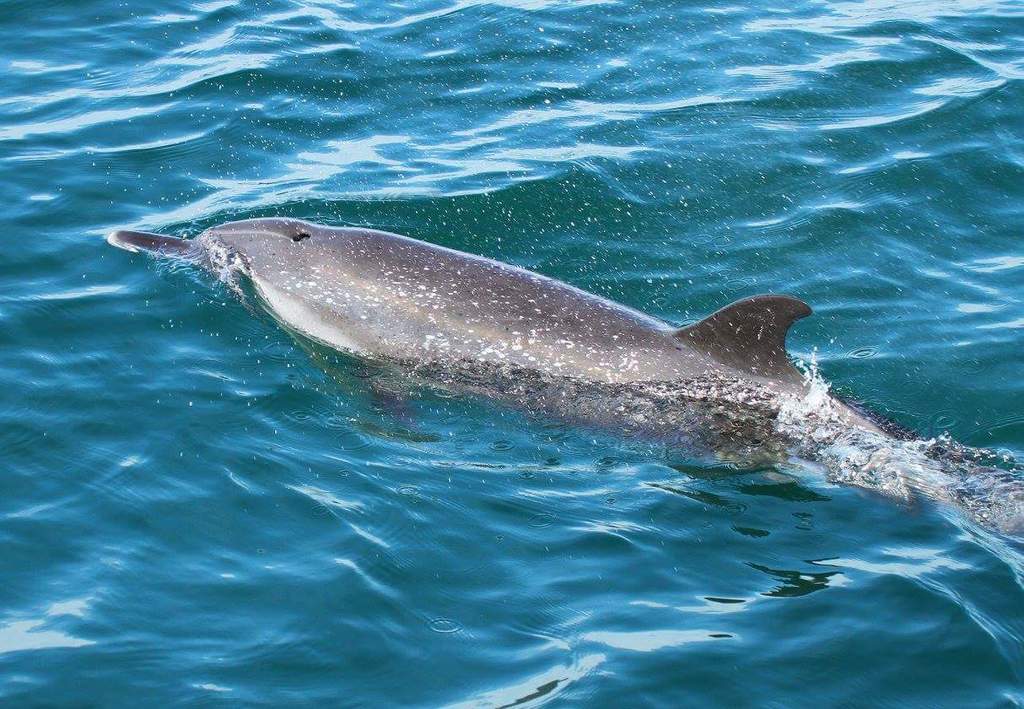
Bottlenose Dolphins
Tursiops
The bottlenose dolphin is a toothed whale in the genus Tursiops. They are common, cosmopolitan members of the family Delphinidae, the family of oceanic dolphins. Molecular studies show the genus contains three species: the common bottlenose dolphin (Tursiops truncatus), the Indo-Pacific bottlenose dolphin (Tursiops aduncus), and Tamanend's bottlenose dolphin (Tursiops erebennus). Others, like the Burrunan dolphin (Tursiops (aduncus) australis), may be alternately considered their own species or be subspecies of T. aduncus. Bottlenose dolphins inhabit warm and temperate seas worldwide, being found everywhere except for the Arctic and Antarctic Circle regions. Their name derives from the Latin tursio (dolphin) and truncatus for the truncated teeth (the type specimen was old and had worn down teeth; this is not a typical characteristic of most members of the species).
Numerous investigations of bottlenose dolphin intelligence have been conducted, examining mimicry, use of artificial language, object categorization, and self-recognition. They can use tools (sponging; using marine sponges to forage for food sources they normally could not access) and transmit cultural knowledge from generation to generation, and their considerable intelligence has driven interaction with humans. Bottlenose dolphins gained popularity from aquarium shows and television programs such as Flipper. They have also been trained by militaries to locate sea mines or detect and mark enemy divers.
3 branches of this genus, most-observed first · about 3 known species

Common Bottlenose Dolphin
speciesTursiops truncatus

Tamanend's Bottlenose Dolphin
speciesTursiops erebennus

Indo-Pacific Bottlenose Dolphin
speciesTursiops aduncus
Where it lives
Recorded sightings
—
geo-referenced records in GBIF, from museums, herbaria and field observers.
Drag the globe to turn it. Dots are where records exist, not a range map; darker means more records.
In the stacks
Searching the stacks…
Every page naming Tursiops in the Biodiversity Heritage Library →
This page is assembled live from iNaturalist, GBIF, Wikipedia, the Source Library and the Internet Archive. It is not yet part of the hand-edited codex. iNaturalist taxon 41480.