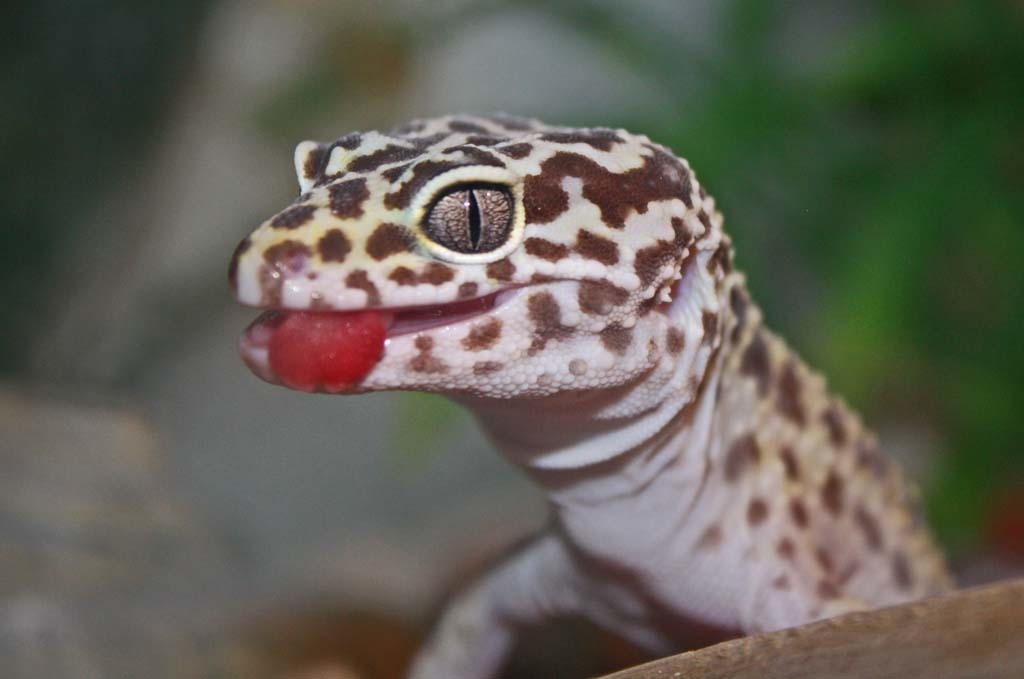
Leopard Geckos
Eublepharis
The genus Eublepharis was first described by the British zoologist John Edward Gray in 1827. The etymology of their name is 'eu' = good (=true) |'blephar' = eyelid, and all have fully functional eyelids. Members of this genus are found in eastern and southwestern Asia where they are found in arid and semiarid habitats. These geckos are sturdily built. Their tail is shorter than their snout-vent length and their body is covered with numerous wart-like bumps....
7 branches of this genus, most-observed first · about 7 known species
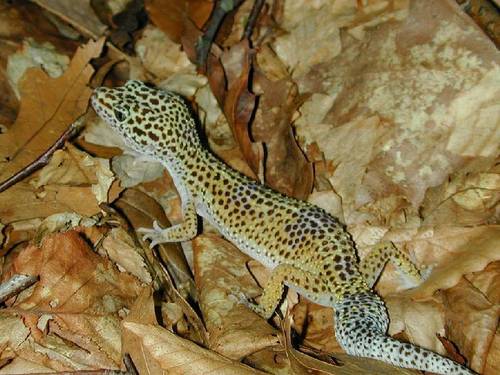
Common Leopard Gecko
speciesEublepharis macularius
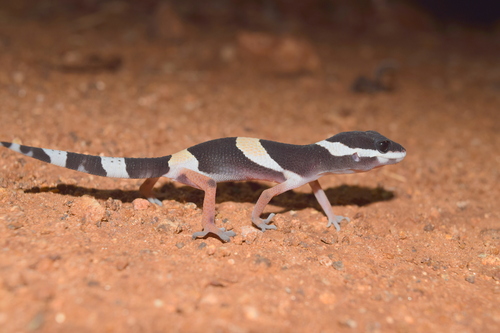
Painted Leopard Gecko
speciesEublepharis pictus

Western Indian Leopard Gecko
speciesEublepharis fuscus

Iranian Fat-tailed Gecko
speciesEublepharis angramainyu

Satpura Leopard Gecko
speciesEublepharis satpuraensis

Eastern Indian Leopard Gecko
speciesEublepharis hardwickii

Turkmenistan Eyelid Gecko
speciesEublepharis turcmenicus
Where it lives
Recorded sightings
—
geo-referenced records in GBIF, from museums, herbaria and field observers.
Drag the globe to turn it. Dots are where records exist, not a range map; darker means more records.
In the stacks
Searching the stacks…
Every page naming Eublepharis in the Biodiversity Heritage Library →
This page is assembled live from iNaturalist, GBIF, Wikipedia, the Source Library and the Internet Archive. It is not yet part of the hand-edited codex. iNaturalist taxon 34674.