- Animals
- ›Arthropods
- ›Hexapods
- ›Insects
- ›Winged and Once-winged Insects
- ›Butterflies and Moths
- ›Curved-horn Moths
- ›Concealer Moths
- ›Oecophorinae
- ›Oecophorini
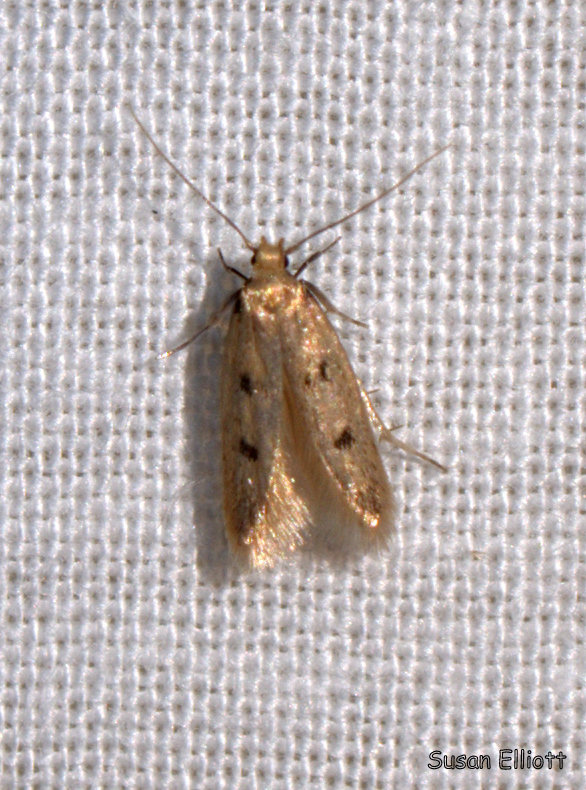
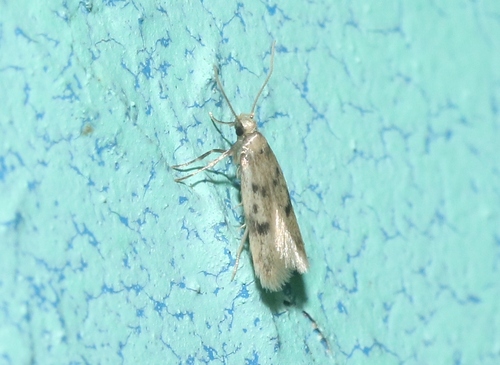
Carolana
The early province of Carolana was the land forming the southern English colonies, spanning from 31° to 36° north latitude. In 1629, King Charles I of England granted the territory to his attorney general Sir Robert Heath. The original charter claimed the land from Albemarle Sound in present-day North Carolina, to the St. Johns River in the south, just miles below the current Florida-Georgia state line. The region as a whole comprised all or parts of the modern-day states of Louisiana, Mississippi, Alabama, Florida, Georgia, South Carolina and North Carolina. Charles I named the colony for himself, the name Carolana being derived from Carolus, the Latin form of Charles.
2 branches of this genus, most-observed first
See this branch on the Wheel of Life →
Where it lives
Recorded sightings
—
geo-referenced records in GBIF, from museums, herbaria and field observers.
Drag the globe to turn it. Dots are where records exist, not a range map; darker means more records.
In the stacks
Searching the stacks…
Every page naming Carolana in the Biodiversity Heritage Library →
This page is assembled live from iNaturalist, GBIF, Wikipedia, the Source Library and the Internet Archive. It is not yet part of the hand-edited codex. iNaturalist taxon 324865.