 NL·0324
Herbarium of the Nature Library
- Name
- Dromaius novaehollandiae
- Family
- Casuariidae
- Native to
- Mainland Australia
- Habitat
- Savanna, Semi-desert scrub, Grassland, Eucalypt woodland
On eBird ↗
Emu
Live sightings near you, the range map, bar charts of when it is seen, and Macaulay Library photos and recordings.
Emu
Dromaius novaehollandiae
Also calledDinawan (Wiradjuri / Gamilaraay) · Waitj (Noongar) · Kalaya (Pitjantjatjara)
Australia's tallest bird and the world's second-tallest, a shaggy-feathered nomad of the outback. It walks long distances following rain, and the male raises the chicks alone.
The emu is a species of flightless bird endemic to Australia, where it is the tallest native bird. It is the only extant member of the genus Dromaius and the third-tallest living bird after its African ratite relatives, the common ostrich and Somali ostrich. The emu's native ranges cover most of the Australian mainland. The Tasmanian, Kangaroo Island and King Island subspecies became extinct after the European settlement of Australia in 1788. Wikipedia
What it can do
- iCan run at about 50 km/h
- iiMakes long nomadic movements following rains
- iiiMales incubate eggs for around eight weeks, barely eating or drinking
- ivFemales make deep drumming calls via an inflatable throat sac
In the field
Field marks
- aVery tall, shaggy grey-brown plumage
- bBare blue-grey skin on neck
- cLong, strong legs
- dTiny vestigial wings, hidden in the plumage
- eChicks have cream-and-brown stripes
- Voice
- Females make a deep, booming drum or thump; males grunt.
- Not to be confused with
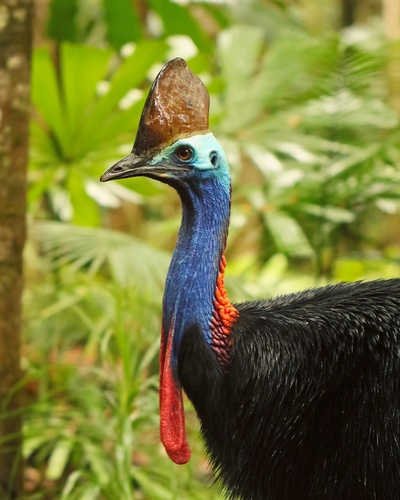
- Southern cassowary (rainforest, Queensland) is black with a casque and blue-and-red neck. Ostriches (feral, rare) have black-and-white or brown plumage and two-toed feet.
- Where to see it
- Common in outback NSW, Queensland and Western Australia; Wilsons Promontory, Tower Hill (Victoria), Kalbarri
- When
- Resident, nomadic
Listen
Looking for field recordings…
Life & habits
- Diet
- Fruit, seeds, flowers, green shoots and insects
- Habitat
- Most habitats except dense rainforest and the driest deserts
- Size
- 1.5–1.9 m tall; 30–55 kg
- Lifespan
- 10–20 years
After laying, the female leaves and may mate again, while the male guards the clutch and then the striped chicks for months.
Where it lives
Recorded sightings
—
geo-referenced records in GBIF, from museums, herbaria and field observers.
Native range
Mainland Australia
Drag the globe to turn it. Dots are where records exist, not a range map; darker means more records.
In the old herbals & bestiaries
Woodcuts and engravings matched from the Source Library’s scanned books by name. Plates marked “relative” show a close kin rather than this exact species. Click a plate to read the page it came from, with translation.


In the stacks
Searching the stacks…
Every page naming Dromaius novaehollandiae in the Biodiversity Heritage Library →
Marginalia
Many Aboriginal peoples see the 'Emu in the Sky', formed by dark dust lanes of the Milky Way. In 1932 Western Australian authorities waged the so-called 'Emu War' with machine guns and largely failed.
Curiosity
The emu appears on Australia's coat of arms alongside the red kangaroo.
Kinship
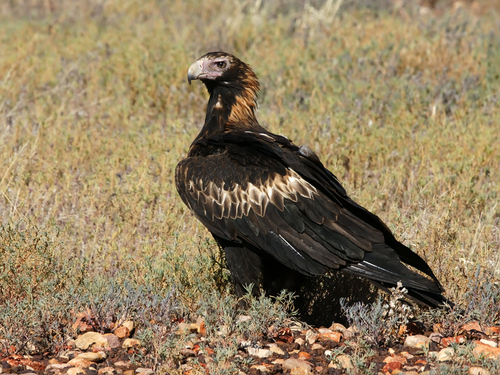
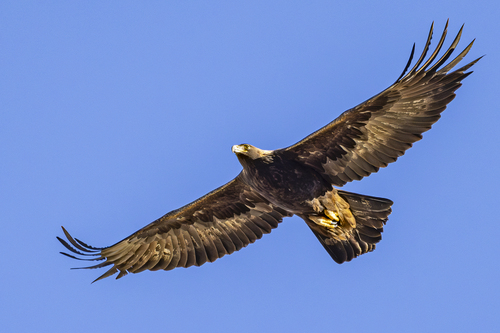

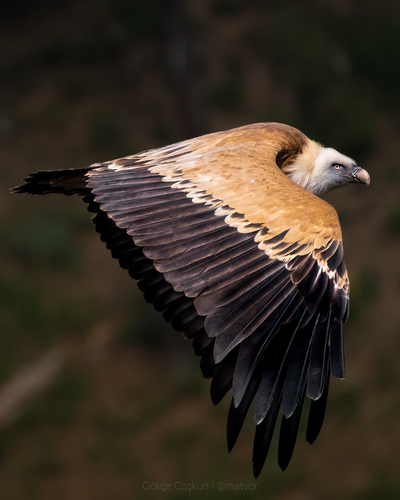

Photographs: iNaturalist contributors under the licences shown. Records: GBIF.org. Historical plates: Source Library (CC BY-SA 4.0; originals public domain). Summary text: Nature Library editors and Wikipedia (CC BY-SA). Medicinal and edibility notes are historical and educational, not advice. iNaturalist taxon 20504.