 NL·0080
Herbarium of the Nature Library
- Name
- Mentha × piperita
- Family
- Lamiaceae
- Native to
- Arose as a hybrid in Europe; cultivated and naturalised worldwide
- Habitat
- Wetland margins, Gardens, Farmland
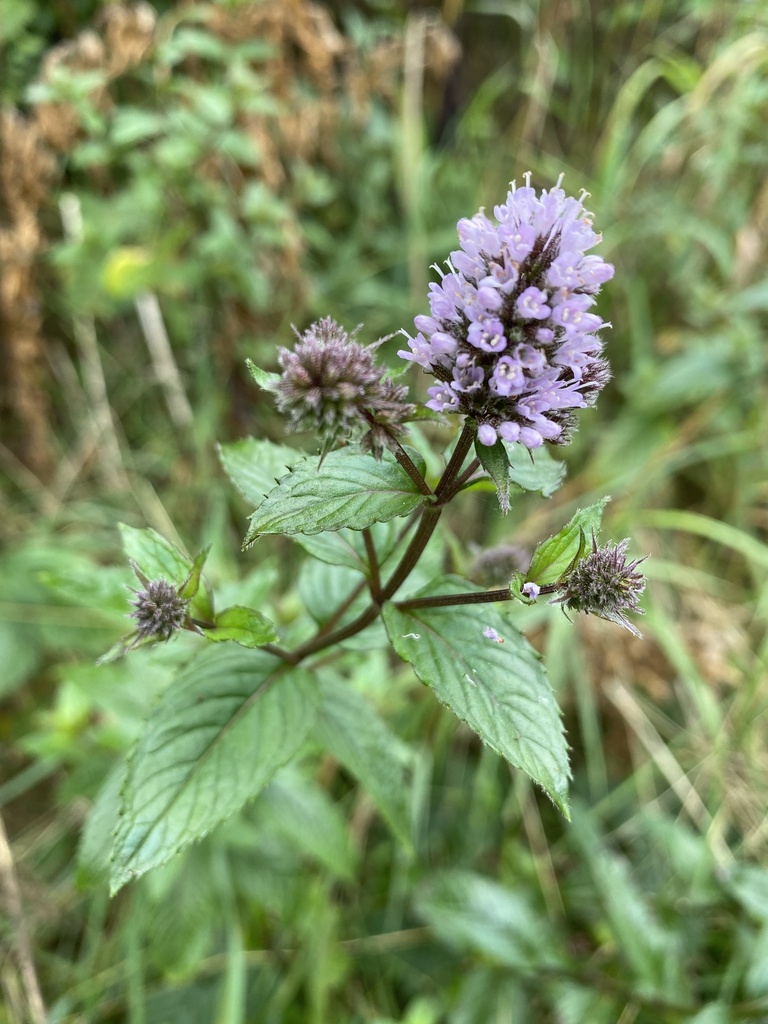
Peppermint
Mentha × piperita
Also calledPudina (Hindi/Urdu, mints generally) · Naʿnāʿ fulfulī (Arabic) · Bòhe 薄荷 (Chinese, mints) · Pfefferminze (German) · Menta piperita (Spanish/Italian)
A natural hybrid of water mint and spearmint, almost sterile and spread around the world entirely by runners. Its menthol tricks nerve endings into feeling cold.
Peppermint is a hybrid species of mint, a cross between watermint and spearmint. Indigenous to Europe and the Middle East, the plant is now widely spread and cultivated in many regions of the world. It is occasionally found in the wild with its parent species. Wikipedia
What it can do
- iMenthol activates TRPM8, the body's cold receptor, causing a cooling sensation without any change in temperature
- iiRelaxes smooth muscle in the gut, which underlies its use for irritable bowel syndrome
- iiiSpreads rapidly by underground and overground runners
- ivRarely sets viable seed; almost every peppermint plant is a clone
At the table
Eatenleaves
Leaves are used in teas, sweets and food. Concentrated oil is toxic in large amounts, and menthol products should not be applied near the faces of infants, where they can cause breathing problems.
In the medicine cabinet
| Tradition | Use |
|---|---|
| European folk medicine | Tea for indigestion, nausea, colic and colds; oil rubbed on temples for headache |
| Unani | Pudina and its distilled water (araq-e-pudina) for indigestion, flatulence and vomiting |
| Traditional Chinese Medicine | Bohe (mainly Mentha haplocalyx) disperses wind-heat in colds, sore throat and headache |
| Modern medicine | Enteric-coated peppermint oil for irritable bowel syndrome; topical menthol for tension headache |
Weight of evidence
Moderate. Some clinical trials with promising but limited or mixed results.
Active compounds
menthol, menthone, menthyl acetate, 1,8-cineole, menthofuran, rosmarinic acid
Fruit & seed
Fruit
Nutlets
Ripens: Late summer
Usually aborted; viable nutlets very rare.

Seed
Seeds are rarely viable; 'peppermint seed' sold commercially usually grows into other mints
- Dispersal
- Vegetative: rhizome and stolon fragments
- Germination
- Propagate from cuttings instead
Photographs from Wikimedia Commons under open licences; hover for the photographer, click for the file.
How to grow it
Hardiness (USDA zones)
USDA 3–8. Survives winters down to about -40 °C.
- Light
- Full sun to part shade
- Water
- Moderate–high
- Soil
- Moist, fertile
- Propagation
- Runner or stem cuttings (roots in water within days)
- To harvest
- Leaves 6–8 weeks after planting
- Climates
- Temperate, Continental
- 1Root a stem cutting in water, or plant a runner
- 2Grow in a sunk container to stop it spreading
- 3Cut stems just before flowering for the strongest oil
- 4Replant every 3–4 years as clumps weaken
Can it grow where you are?
Where it lives
Recorded sightings
—
geo-referenced records in GBIF, from museums, herbaria and field observers.
Native range
Arose as a hybrid in Europe; cultivated and naturalised worldwide
Drag the globe to turn it. Dots are where records exist, not a range map; darker means more records.
In the old herbals & bestiaries
Woodcuts and engravings matched from the Source Library’s scanned books by name. Plates marked “relative” show a close kin rather than this exact species. Click a plate to read the page it came from, with translation.

In the stacks
Searching the stacks…
Every page naming Mentha × piperita in the Biodiversity Heritage Library →
Marginalia
The naturalist John Ray first described 'pepper-mint' in 1696 from a plant found in Hertfordshire. Commercial growing began at Mitcham, Surrey, in the mid-18th century.
Curiosity
Peppermint's chromosome counts are irregular (from 66 to 120 have been recorded), a legacy of its hybrid origin from water mint and spearmint, which is why it almost never sets viable seed.
Kinship
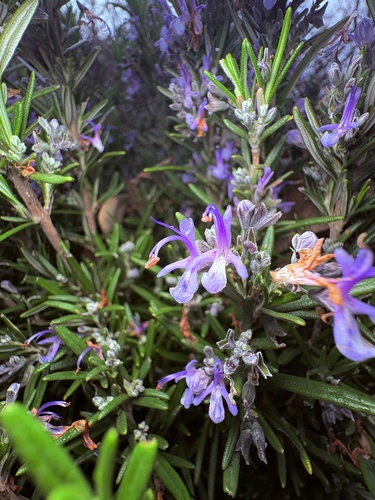

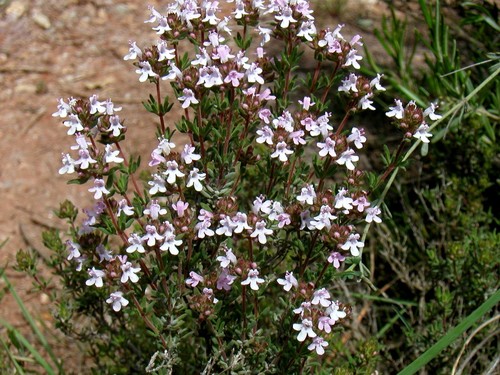
Fact-checked: 2 corrections made to this sheet. Photographs: iNaturalist contributors under the licences shown. Records: GBIF.org. Historical plates: Source Library (CC BY-SA 4.0; originals public domain). Summary text: Nature Library editors and Wikipedia (CC BY-SA). Medicinal and edibility notes are historical and educational, not advice. iNaturalist taxon 181525.