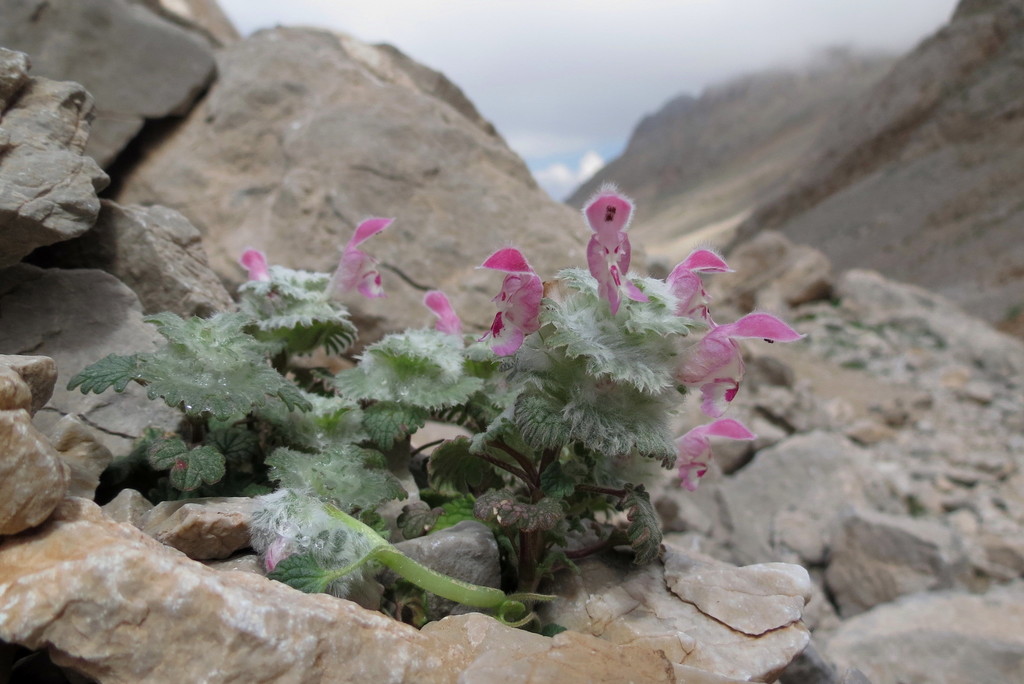
Mint Family
Lamiaceae
Lamiaceae or Labiatae is a family of flowering plants commonly known as mints, deadnettles, or sages. Many species in Lamiaceae are aromatic, and the family includes many widely used culinary herbs like basil, mint, rosemary, sage, savory, marjoram, oregano, hyssop, thyme, lemon balm, lavender, and perilla, as well as traditional medicines such as catnip, skullcap, bee balm, wild dagga, self-heal, and oriental motherwort.
Some species are shrubs, trees (such as teak), or, rarely, vines, but most are herbaceous. Many members of the family are widely cultivated, not only for their aromatic qualities, but also their ease of cultivation through stem cuttings. Many species are cultivated for their aromatic leaves and can have additional edible parts. Some species are grown for seed, such as Salvia hispanica (chia), or for their edible tubers, such as Plectranthus edulis, P. esculentus, P. rotundifolius, and Stachys affinis (Chinese artichoke). Many are also grown ornamentally, notably coleus, Plectranthus, and Salvia species/hybrids.
12 branches of this family, most-observed first
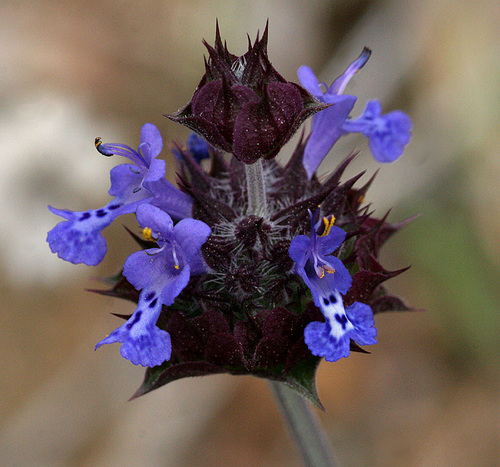
Nepetoideae
subfamilyNepetoideae

Lamioideae
subfamilyLamioideae

Ajugoideae
subfamilyAjugoideae

Scutellarioideae
subfamilyScutellarioideae
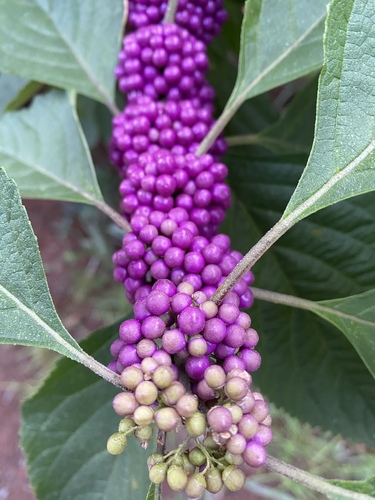
Callicarpoideae
subfamilyCallicarpoideae
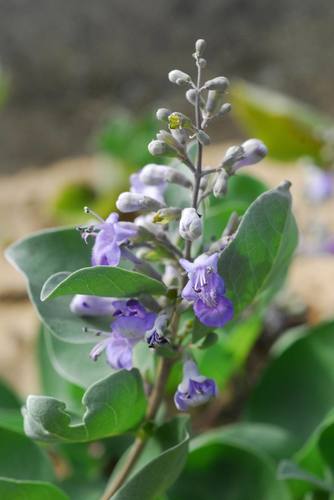
Viticoideae
subfamilyViticoideae

Prostantheroideae
subfamilyProstantheroideae

Premnoideae
subfamilyPremnoideae
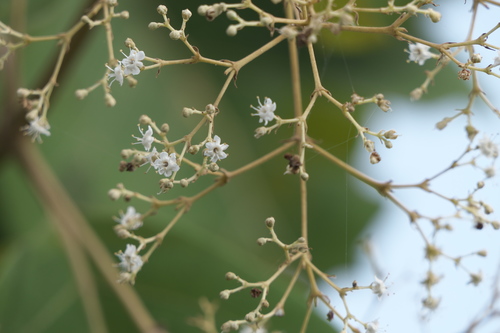
Tectonoideae
subfamilyTectonoideae
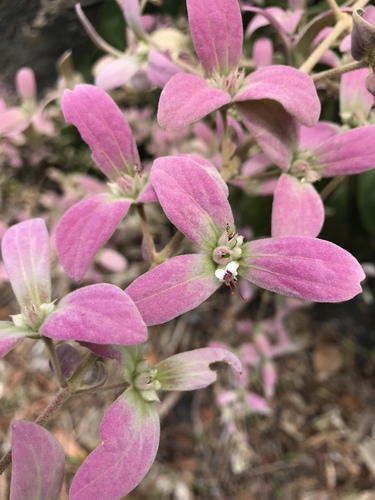
Symphorematoideae
subfamilySymphorematoideae

Peronematoideae
subfamilyPeronematoideae
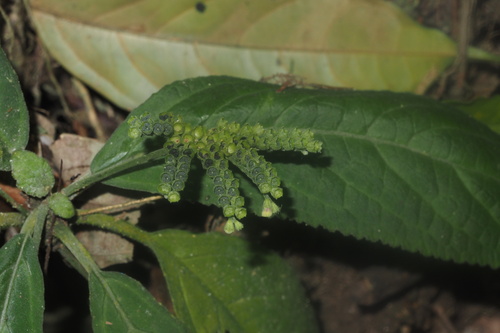
Cymarioideae
subfamilyCymarioideae
Where it lives
Recorded sightings
—
geo-referenced records in GBIF, from museums, herbaria and field observers.
Drag the globe to turn it. Dots are where records exist, not a range map; darker means more records.
In the old herbals & bestiaries

In the stacks
Searching the stacks…
Every page naming Lamiaceae in the Biodiversity Heritage Library →
This page is assembled live from iNaturalist, GBIF, Wikipedia, the Source Library and the Internet Archive. It is not yet part of the hand-edited codex. iNaturalist taxon 48623.