 NL·0122
Herbarium of the Nature Library
- Name
- Piper methysticum
- Family
- Piperaceae
- Native to
- Domesticated in northern Vanuatu from wild Piper wichmannii; spread by people across Melanesia, Polynesia and Micronesia
- Habitat
- Tropical rainforest, Island gardens
Kava
Piper methysticum
Also calledʻAwa (Hawaiian) · ʻAva (Samoan) · Kava (Tongan) · Yaqona / Grog (Fijian) · Sakau (Pohnpeian) · Rauschpfeffer (German, 'intoxicating pepper')
A pepper-family shrub from Vanuatu whose root drink brings calm and sociability without clouding the mind like alcohol. It is the ceremonial drink of the Pacific, and every plant is a sterile clone carried from island to island by voyagers.
Kava or kava kava is a plant in the pepper family, native to the Pacific Islands. The name kava is from Tongan and Marquesan, meaning 'bitter'. Kava can refer to either the plant or a psychoactive beverage made from its root. The beverage is a traditional ceremonial and recreational drink from Polynesia, Micronesia, and Melanesia. Nakamals and kava bars exist in many countries. Traditional kava is made by grinding fresh or dried kava root, mixing it with water or coconut milk, and straining it into a communal bowl. Outside the South Pacific, kava is typically prepared by soaking dried root powder in water and straining it. It is consumed socially for its psychoactive effects, comparable to those produced by alcohol but without significant cognitive impairment or addiction risk. Kava also produces a numbing sensation in the mouth. Wikipedia
What it can do
- iRoots contain kavalactones, which act on GABA-A receptors and sodium channels, relaxing muscles and easing anxiety
- iiCultivated kava is sterile and propagated entirely from stem cuttings by people
- iiiKava chemistry differs between cultivars, which Pacific growers classify by effect
At the table
Eatenroot and rhizome (as a cold-water drink)
Traditionally drunk as a water extract of fresh or dried root. Use only peeled root and rhizome of 'noble' cultivars; leaves, stems and 'tudei' (two-day) cultivars are linked to more side effects. Do not combine with alcohol or drive.
In the medicine cabinet
| Tradition | Use |
|---|---|
| Polynesian traditional medicine | Drunk ceremonially and socially; also for urinary complaints, headaches, insomnia and to calm nerves |
| Melanesian traditional medicine | In Vanuatu and Fiji, for relaxation, sleep and pain, and in ritual to honour guests and chiefs |
| Modern phytotherapy | Standardised extracts trialled for generalised anxiety disorder, with mixed but partly positive results |
Weight of evidence
Moderate. Some clinical trials with promising but limited or mixed results.
Active compounds
kavain, dihydrokavain, methysticin, dihydromethysticin, yangonin, desmethoxyyangonin, flavokavains
Seed
Seed
Cultivated kava does not set viable seed
- Dispersal
- Human propagation of stem cuttings
- Germination
- Not grown from seed
How to grow it
Hardiness (USDA zones)
Tropical only (USDA 11–12). Survives winters down to about 4 °C.
- Light
- Part shade
- Water
- High; humid
- Soil
- Loose, rich, well-drained volcanic or forest loam
- Propagation
- Stem cuttings with nodes
- To harvest
- Roots at 3–5 years
- Climates
- Tropical
- 1Lay node-bearing stem sections on moist soil, half-buried, under light shade
- 2Keep warm (above 20 °C) and humid; it cannot tolerate frost or drought
- 3Mulch and weed for several years
- 4Dig the whole root mass at 3–5 years, keeping stems to replant
Can it grow where you are?
Where it lives
Recorded sightings
—
geo-referenced records in GBIF, from museums, herbaria and field observers.
Native range
Domesticated in northern Vanuatu from wild Piper wichmannii; spread by people across Melanesia, Polynesia and Micronesia
Drag the globe to turn it. Dots are where records exist, not a range map; darker means more records.
In the old herbals & bestiaries
No plate in the Source Library names this exact species, so these show its closest relatives as the old naturalists drew them: same genus, or the same kind of plant. Click a plate to read the page it came from, with translation.

Ten Books of Exotic Things
Relative · Carolus Clusius · 1605 · p.204

Hortus Eystettensis
Relative · Basilius Besler · 1640 · p.351

De Indiae utriusque re naturali et medica
Relative · Willem Piso · 1658 · p.253

Commentaries on the Six Books of Pedanius Dioscorides on Medical Matter
Relative · Pietro Andrea Mattioli · 1565 · p.746

Hortus Eystettensis
Relative · Basilius Besler · 1640 · p.350

Ortus sanitatis
Relative · 1491 · p.224

Ortus sanitatis
Relative · 1491 · p.330

Garden of Health
Relative · 1507 · p.269

Commentaries on the Six Books of Dioscorides
Relative · Pietro Andrea Mattioli · 1560 · p.127

Commentaries on the Six Books of Dioscorides on Medical Matter
Relative · Pietro Andrea Mattioli · 1563 · p.127
In the stacks
Searching the stacks…
Every page naming Piper methysticum in the Biodiversity Heritage Library →
Marginalia
At the Tongan royal kava ceremony (taumafa kava), seating and the order of serving show each chief's rank, and it is an essential part of a king's coronation. Captain Cook's naturalists, including Georg Forster, described the drink in 1777.
Curiosity
Because cultivated kava cannot set seed, every kava plant across the Pacific descends from cuttings carried by people, some over thousands of kilometres of open ocean.
Kinship
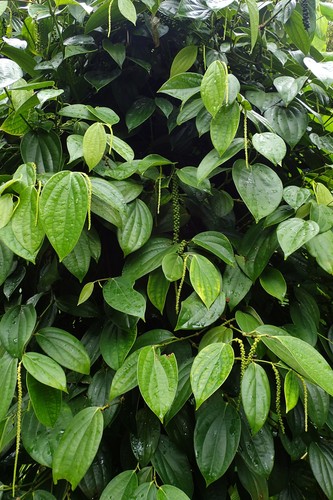

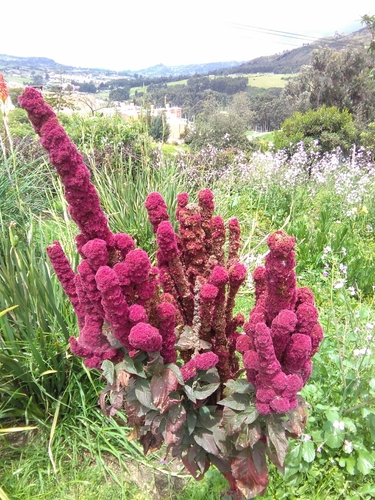
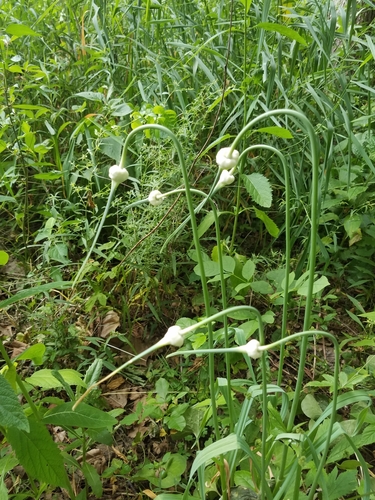
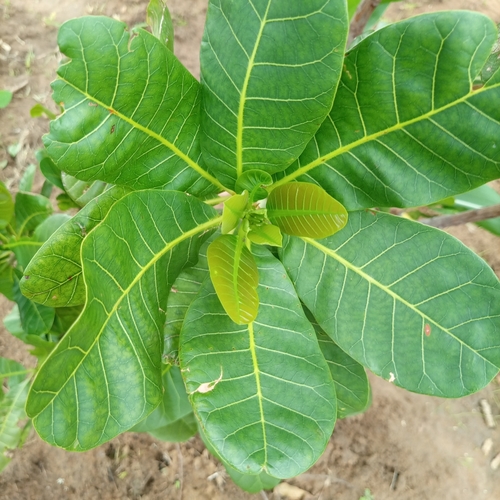
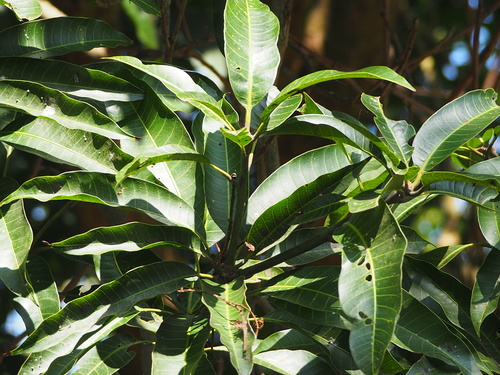
Photographs: iNaturalist contributors under the licences shown. Records: GBIF.org. Historical plates: Source Library (CC BY-SA 4.0; originals public domain). Summary text: Nature Library editors and Wikipedia (CC BY-SA). Medicinal and edibility notes are historical and educational, not advice. iNaturalist taxon 166895.