- Plants
- ›Vascular Plants
- ›flowering plants
- ›Dicots
- ›Sunflowers, Bellflowers, Fanflowers, and Allies
- ›Sunflowers, Daisies, Asters, and Allies
- ›Asteroideae
- ›asters and allies
- ›Solidagininae
- ›Solidago
- ›Pleiactila
- ›Unilaterales
Solidago subsect. Radulae
Radulae
The radula (US: ; pl.: radulae or radulas) is an anatomical structure found only in most mollusks, serving as their primary feeding tool. Often compared to a tongue, this minutely toothed, chitinous ribbon typically functions by scraping or cutting food before it enters the esophagus. Mollusks in every class possess a radula, except for bivalves, which instead employ waving cilia to draw in minute organisms for feeding.
The radula typically functions as a rasping organ to scrape food particles. However, its form and use have diversified significantly; it is modified for drilling holes in prey shells (e.g., in Muricidae), transformed into venomous harpoons (e.g., in Conidae using conotoxins), or reduced/lost in fluid feeders (such as in the Pyramidellidae where the highly specialized, needle-like radula is called a stylet).
6 branches of this group, most-observed first
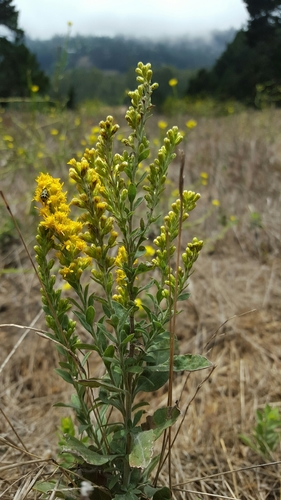
velvety goldenrod
speciesSolidago velutina
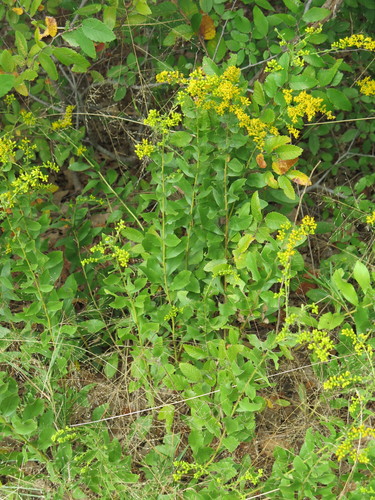
Rough Goldenrod
speciesSolidago radula

Ground Goldenrod
speciesSolidago mollis
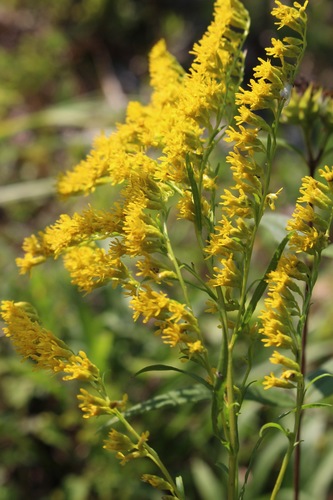
Gattinger's Goldenrod
speciesSolidago gattingeri
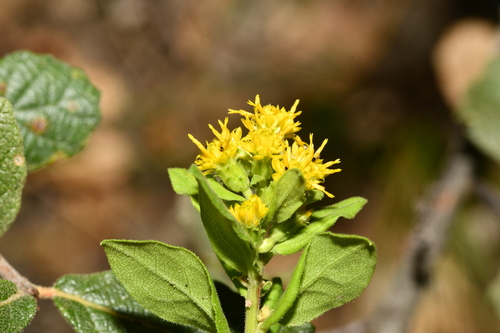
Solidago hintoniorum
speciesSolidago hintoniorum

high plains goldenrod
speciesSolidago altiplanities
Where it lives
Recorded sightings
—
geo-referenced records in GBIF, from museums, herbaria and field observers.
Drag the globe to turn it. Dots are where records exist, not a range map; darker means more records.
In the stacks
Searching the stacks…
Every page naming Radulae in the Biodiversity Heritage Library →
This page is assembled live from iNaturalist, GBIF, Wikipedia, the Source Library and the Internet Archive. It is not yet part of the hand-edited codex. iNaturalist taxon 1454409.