- Plants
- ›Vascular Plants
- ›flowering plants
- ›Dicots
- ›Legumes, Milkworts, and Allies
- ›Legumes
- ›Faboideae
- ›Crotalarieae
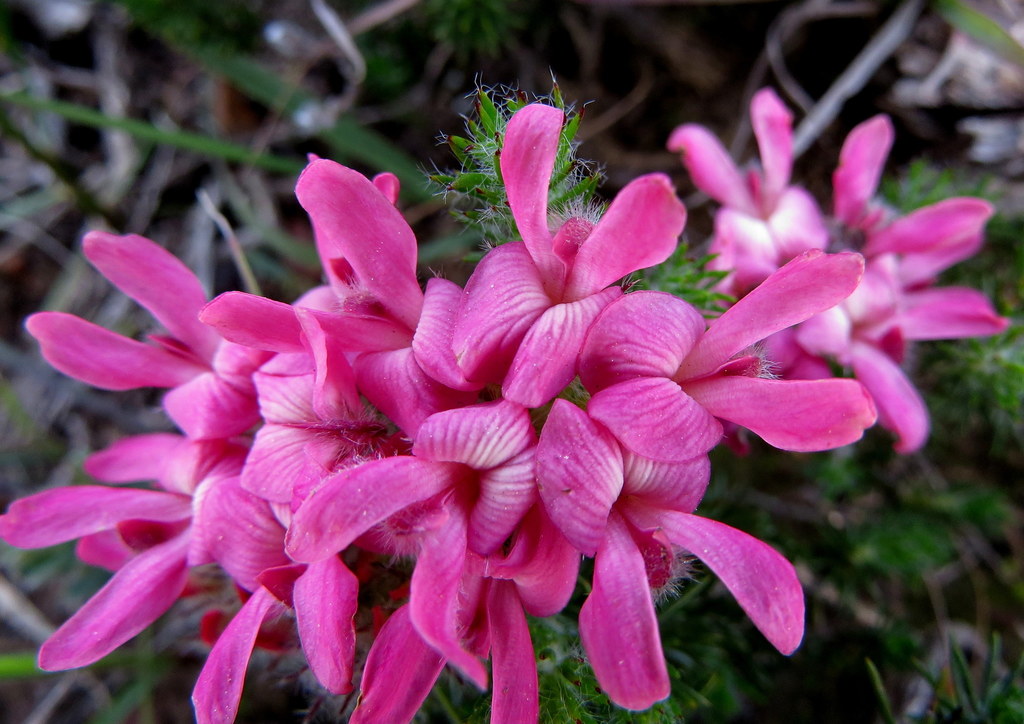
Aspalathuses
Aspalathus
Aspalathus is a genus of flowering plants in the legume family, Fabaceae. The yellow flowers and spiny habit of some species have suggested a resemblance to Ulex europaeus, the thorny "English gorse" Accordingly, "Cape Gorse" has been proposed as a common name although the resemblance is largely superficial; for instance, gorse is thorny, whereas Aspalathus species are variously spiny or unarmed. The genus belongs to the sub family Faboideae. There are over 270 species, mainly endemic...
41 branches of this genus, most-observed first

Joined Capegorses
sectionAdnates

Branchlet Capegorses
sectionLaterales

Borbon Capegorses
sectionBorboniae
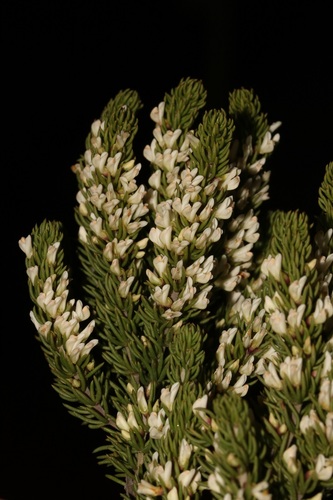
Plump Capegorses
sectionPingues
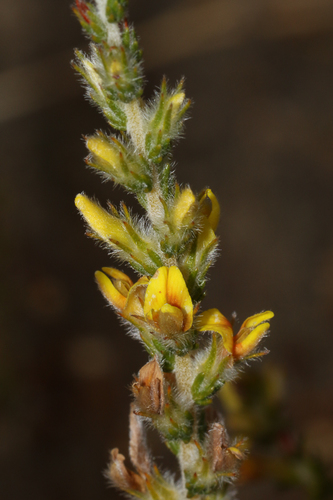
Delicate Capegorses
sectionLeptanthae

Silky Capegorses
sectionSericeae

Terminal Capegorses
sectionTerminales

Purple Capegorses
sectionPurpureae
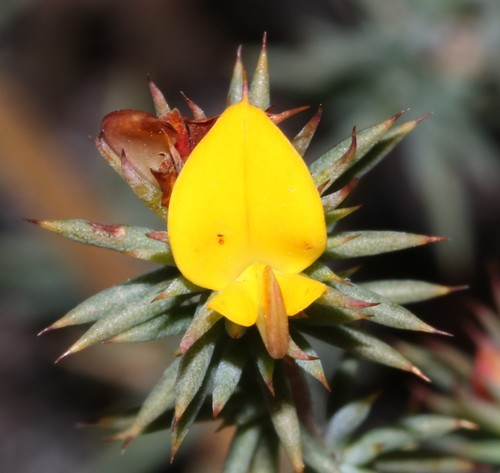
Needlelobe Capegorses
sectionTeretilobae

Meaty Capegorses
sectionCarnosae
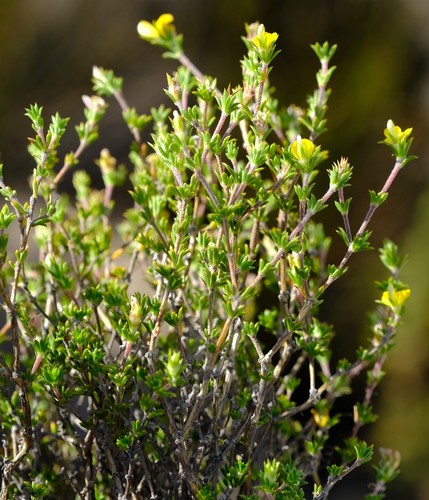
Heady Capegorses
sectionCephalanthae

Hell Capegorses
sectionAstroites

Fingerleaf Capegorses
sectionDigitifoliae
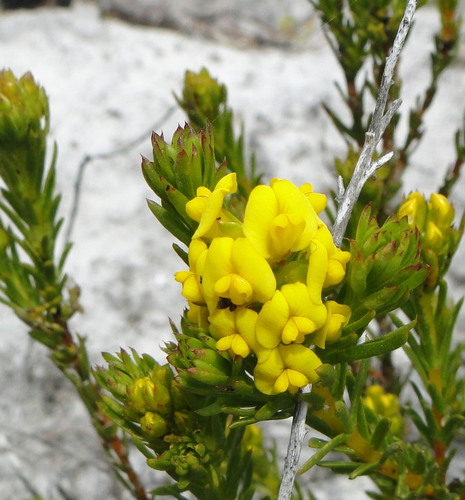
Gland Capegorses
sectionCallosae
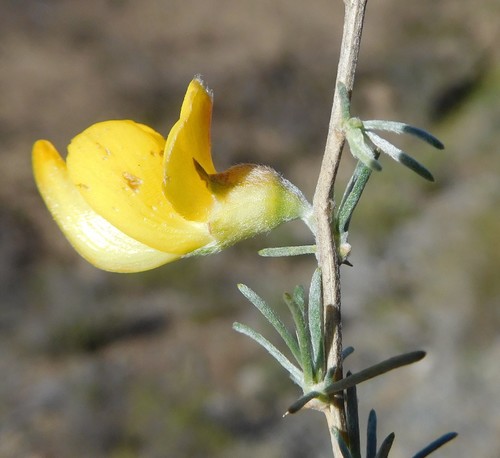
Beaked Capegorses
sectionRostratae
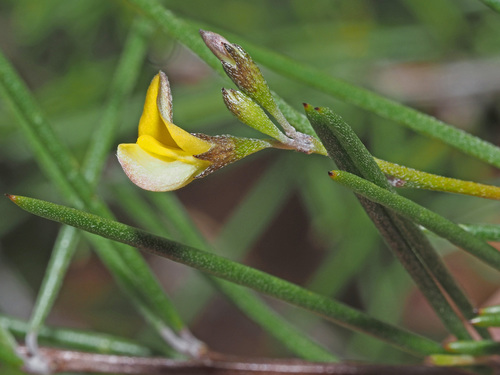
Rooibos Capegorses
sectionLebeckiiformes
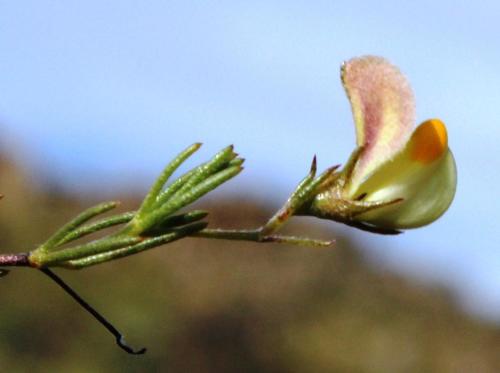
Stalked Capegorses
sectionPedunculares
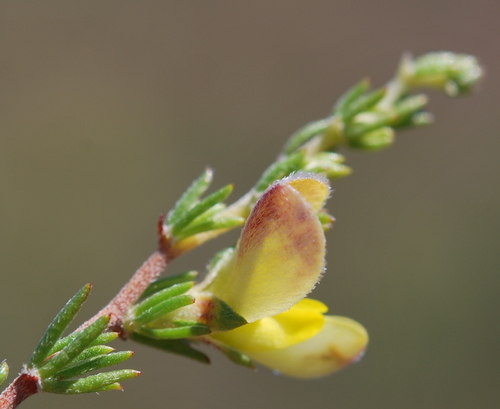
Redening Capegorses
sectionRubescentes

Lime Capegorses
sectionCalcicolae
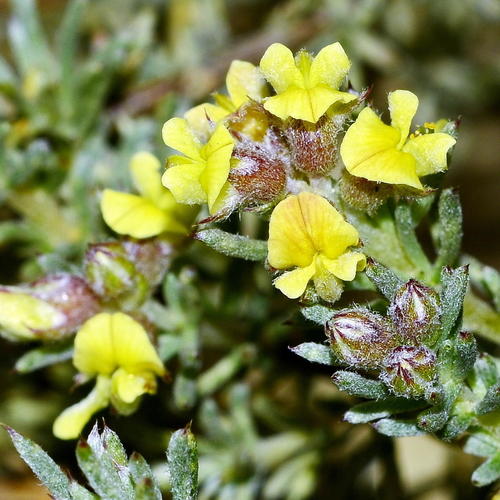
Spinetip Capegorses
sectionAciculifoliae
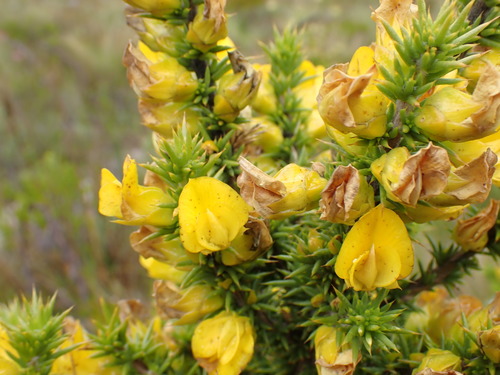
Spineleaf Capegorses
sectionAciphyllae
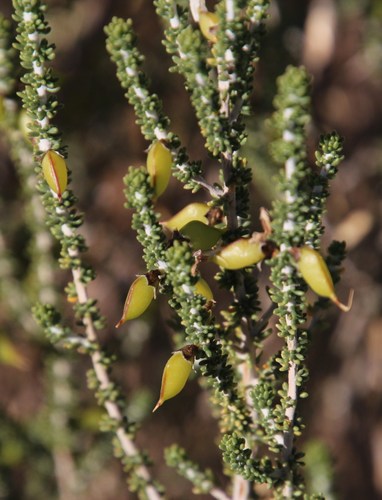
Shortseed Capegorses
sectionPachycarpae
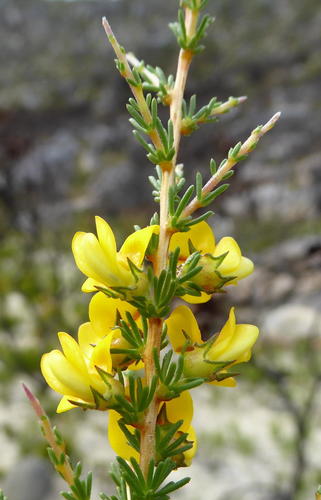
Sulphur Capegorses
sectionSulphureae

Quartz Capegorse
speciesAspalathus quartzicola
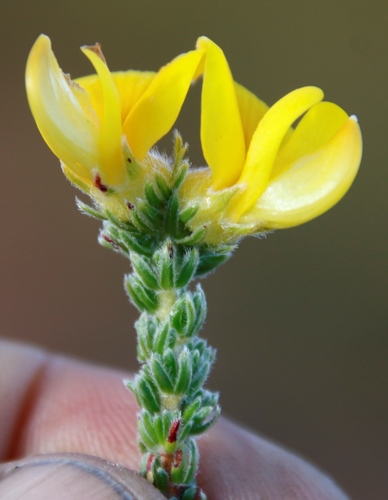
Triple Capegorses
sectionTernatae
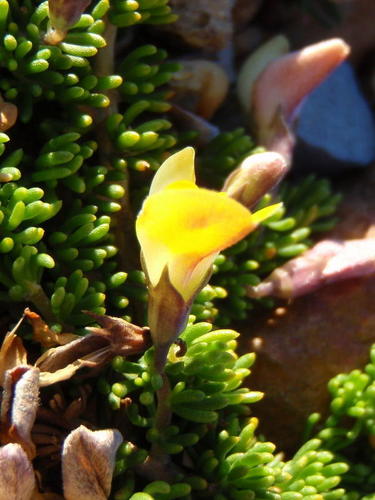
Needleseed Capegorses
sectionTereticarpae

Ecotone Capegorses
sectionMarginales

Thorn Capegorses
sectionSpinescentes
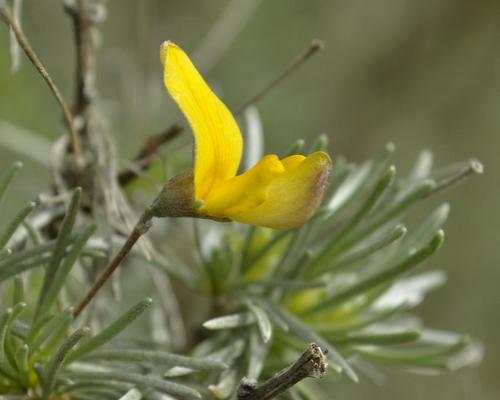
Thornveld Capegorses
sectionNiveae

Crew Capegorse
speciesAspalathus crewiana
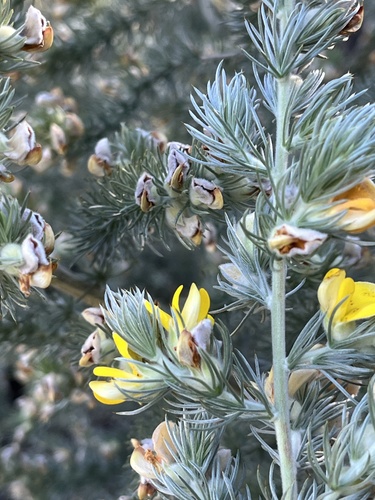
Aspalathus outrampsii
speciesAspalathus outrampsii
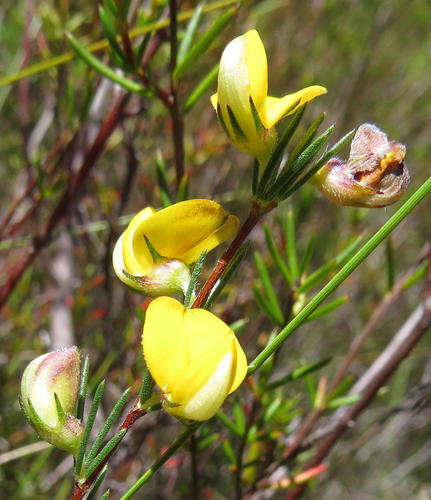
Thinstem Capegorses
sectionFilicaules
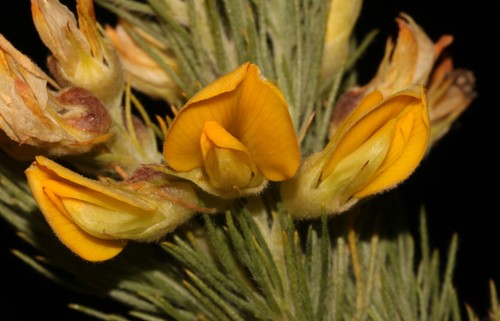
Splendid Capegorses
sectionDecorae
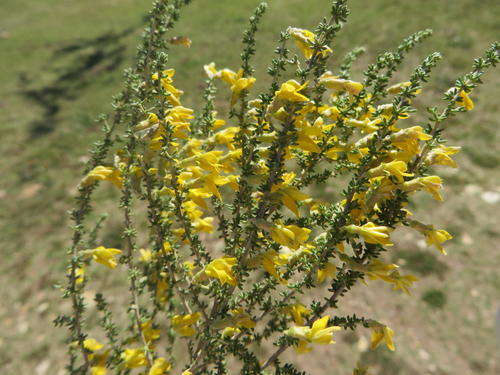
Worm Capegorses
sectionVermiculatae
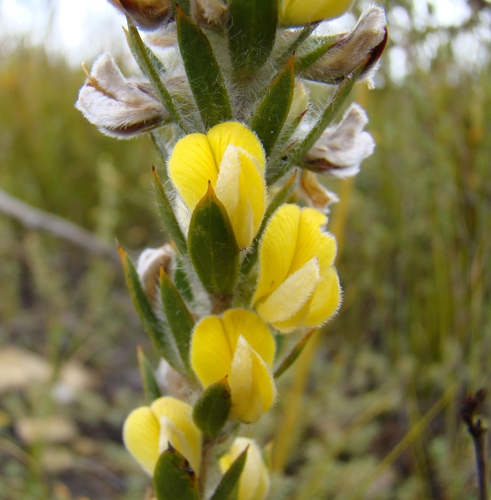
Foxy Capegorses
sectionCrotalariiformes
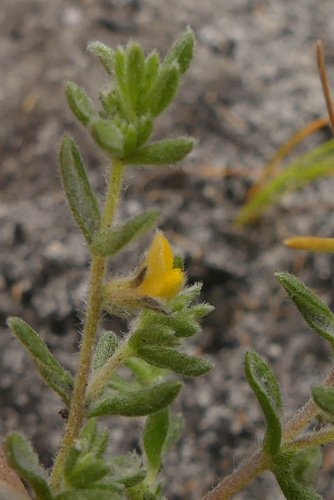
Miniflower Capegorses
sectionDiffusae
Aspalathus theresae
speciesAspalathus theresae
Aspalathus lotiflora
speciesAspalathus lotiflora
Giant Capegorses
sectionGigantes
Aspalathus chlorina
speciesAspalathus chlorina
Aspalathus vulpicaudata
speciesAspalathus vulpicaudata
Where it lives
Recorded sightings
—
geo-referenced records in GBIF, from museums, herbaria and field observers.
Drag the globe to turn it. Dots are where records exist, not a range map; darker means more records.
In the old herbals & bestiaries

Jan Moninckx; Maria Moninckx — Moninckx Atlas, vol. 4 (1686)
Jan Moninckx; Maria Moninckx · 1686 · p.50

Rariorum Plantarum Historia (with Fungorum Historia)
Carolus Clusius · 1601 · p.124

Stirpium adversaria nova
Matthias de Lobel · 1571 · p.451

Herbarium Portatile, Oder Behendes Kräuter- und Gewächs-Buch: Darinn nicht allein 1363. so wol Einheimische als Außländndische Kräuter mit Lateinisch und Deutscher Benennung abgebildet, sondern auch die meisten, so in der Medicin gebräuchlich, kürtzlich erkläret werden
Panckow, Thomas · 1656 · p.338
In the stacks
Searching the stacks…
Every page naming Aspalathus in the Biodiversity Heritage Library →
This page is assembled live from iNaturalist, GBIF, Wikipedia, the Source Library and the Internet Archive. It is not yet part of the hand-edited codex. iNaturalist taxon 139725.