
Legumes
Fabaceae
Fabaceae or Leguminosae, commonly known as the legume, pea, or bean family, is a large and agriculturally important family of flowering plants. It includes trees, shrubs, and perennial or annual herbaceous plants, which are easily recognized by their fruit (legume) and their compound, stipulate leaves. The family is widely distributed, and is the third-largest land plant family in number of species, behind only the Orchidaceae and Asteraceae, with about 765 genera and nearly 20,000 known species.
The five largest genera of the family are Astragalus (over 3,000 species), Acacia (over 1,000 species), Indigofera (around 700 species), Crotalaria (around 700 species), and Mimosa (around 400 species), which constitute about a quarter of all legume species. The c. 19,000 known legume species amount to about 7% of flowering plant species. Fabaceae is the most common family found in tropical rainforests and dry forests of the Americas and Africa.
8 branches of this family, most-observed first
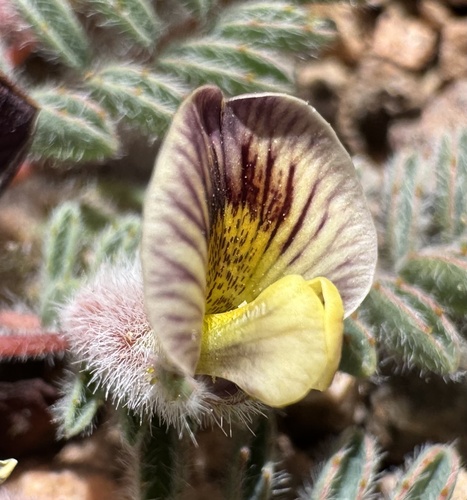
Faboideae
subfamilyFaboideae
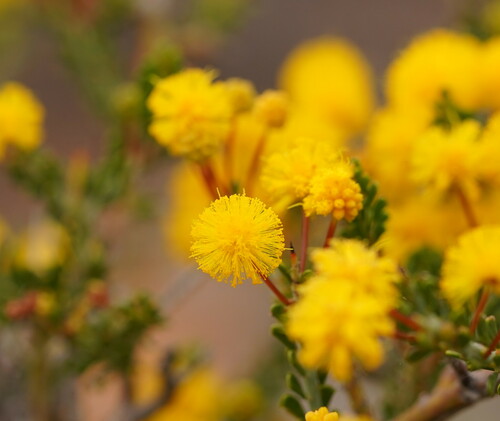
Acacias, Mimosas, Mesquites, and Allies
subfamilyMimosoideae
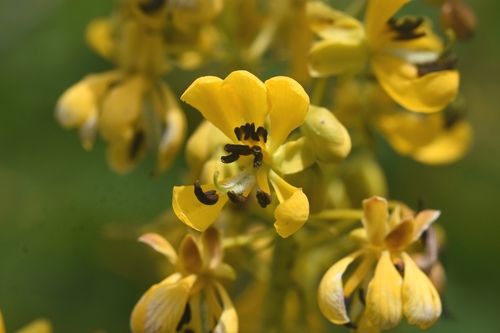
Peacock Flower Subfamily
subfamilyCaesalpinioideae
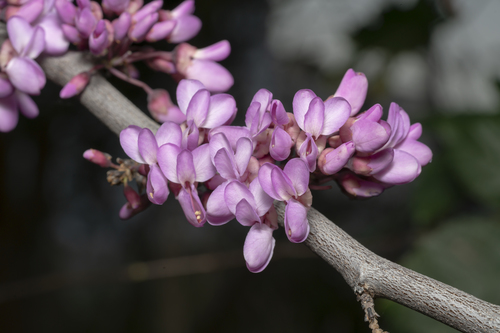
orchid trees and redbuds
subfamilyCercidoideae
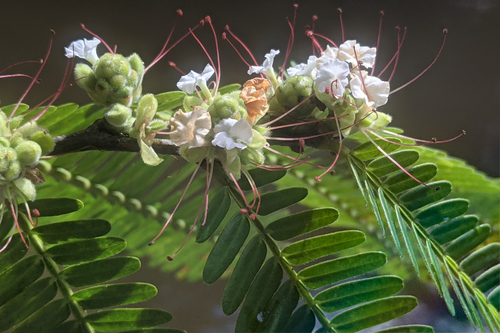
Detarioideae
subfamilyDetarioideae

Dialioideae
subfamilyDialioideae

Duparquetioideae
subfamilyDuparquetioideae
Naiadendron
genusNaiadendron
Where it lives
Recorded sightings
—
geo-referenced records in GBIF, from museums, herbaria and field observers.
Drag the globe to turn it. Dots are where records exist, not a range map; darker means more records.
In the stacks
Searching the stacks…
Every page naming Fabaceae in the Biodiversity Heritage Library →
This page is assembled live from iNaturalist, GBIF, Wikipedia, the Source Library and the Internet Archive. It is not yet part of the hand-edited codex. iNaturalist taxon 47122.