- Animals
- ›Arthropods
- ›Hexapods
- ›Insects
- ›Winged and Once-winged Insects
- ›Beetles
- ›Water, Rove, Scarab, Long-horned, Leaf, and Snout Beetles
- ›Elateriform Beetles
- ›Click, Firefly, and Soldier Beetles
- ›Fireflies
- ›Flashing Fireflies
- ›Luciola
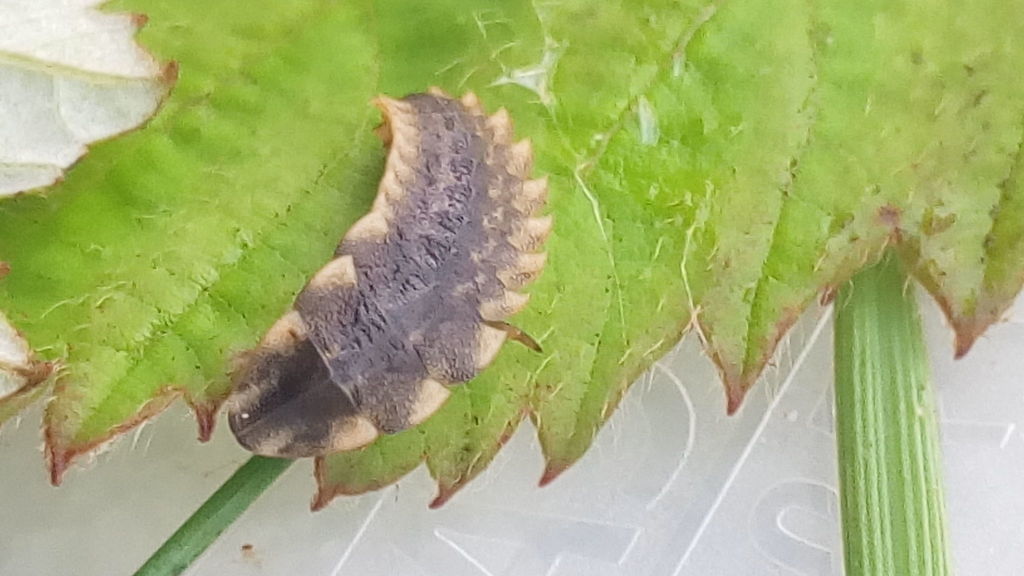
Luciola novaki
Luciola novaki, also known as Skadar Lake firefly, is a species of firefly beetle found in Montenegro and Albania.
From the article Luciola novaki on Wikipedia (CC BY-SA), quoted section by section
Range & habitat
Luciola novaki is likely endemic to the Lake Skadar basin, specifically its tributaries like the Bojana River and Rijeka Crnojevića. While its range extends slightly into Albania around the lake, it is almost entirely restricted to Montenegro. Luciola novaki inhabits a range of mesic and wetland environments. It is typically found in very moist habitats, including seasonal wetlands, flooded pastures, freshwater and saline marshes, reed beds, and estuarine marshes.
Wikipedia: “Distribution”
What it does
Luciola novaki has a short, early mating season compared to its congeners, typically lasting from late April to mid-May, with peak activity observed around May 11th. Adults are crepuscular to nocturnal. Courtship begins at dusk (around 8:00 PM) and male flight activity ceases completely by 1:30 AM. Male behavior: Males fly low over the wet parts of their habitat, emitting characteristic flash signals. Courtship displays often involve intense intrasexual competition, leading to the formation of chaotic clusters and "stacks" of males as multiple individuals attempt to mate with a single responding female. Female behavior: Females are typically sedentary during courtship, positioning themselves on prominent perches such as grass stalks. In response to a flying male's signal, a receptive female will reply with a very bright, long flash lasting 1–2 seconds to advertise her location.
== References ==
Wikipedia: “Mating behaviour”
Listen
Looking for field recordings…
Where it lives
Recorded sightings
—
geo-referenced records in GBIF, from museums, herbaria and field observers.
Drag the globe to turn it. Dots are where records exist, not a range map; darker means more records.
In the stacks
Searching the stacks…
Every page naming Luciola novaki in the Biodiversity Heritage Library →
This page is assembled live from iNaturalist, GBIF, Wikipedia, the Source Library and the Internet Archive. It is not yet part of the hand-edited codex. iNaturalist taxon 1390060.