- Animals
- ›Arthropods
- ›Hexapods
- ›Insects
- ›Winged and Once-winged Insects
- ›Butterflies and Moths
- ›Owlet Moths and Allies
- ›Cutworm Moths and Allies
- ›Cutworms and Dart Moths
- ›Arches
- ›Apameina
- ›Apamea

Dark and Light Arches and Allies
Apamea monoglypha
Apamea monoglypha, the dark arches, is a moth of the family Noctuidae. The species was first described by Johann Siegfried Hufnagel in 1766. It is a common, sometimes abundant, European species. It is found in most of Europe except northernmost Fennoscandia and the southern parts of the Iberian Peninsula and Greece. The species is also found in Anatolia, Turkestan, Western Asia and Central Asia, Siberia and Mongolia. In the Alps it is found up to heights...
23 branches of this group, most-observed first
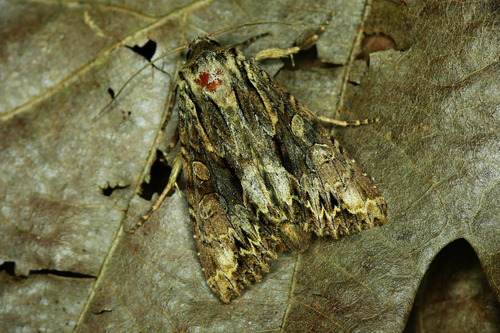
Dark Arches
speciesApamea monoglypha
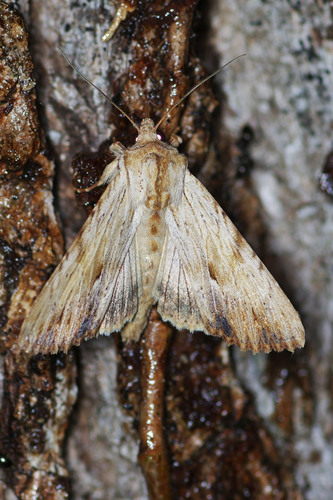
Light Arches
speciesApamea lithoxylaea
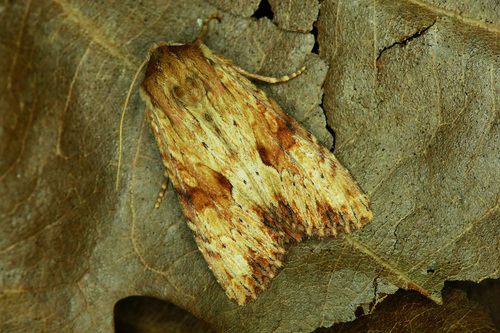
Reddish Light Arches
speciesApamea sublustris

Wood-colored Apamea Moth
speciesApamea lignicolora

Yellow Three-Spot
speciesApamea helva
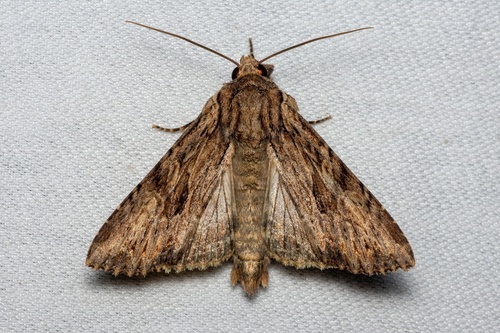
Apamea syriaca
speciesApamea syriaca
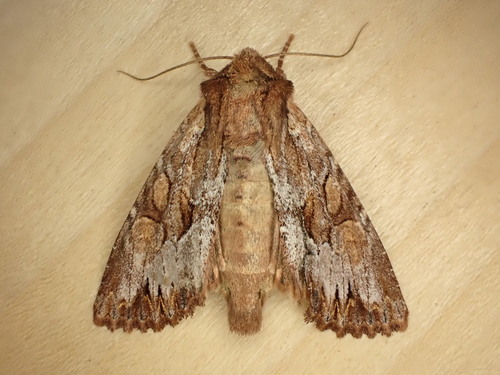
Apamea antennata
speciesApamea antennata

Apamea auranticolor
complexApamea auranticolor

Southern Quaker
speciesApamea commoda
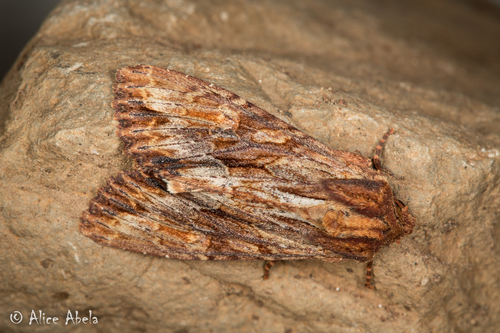
Apamea atrosuffusa
speciesApamea atrosuffusa

Apamea centralis
speciesApamea centralis
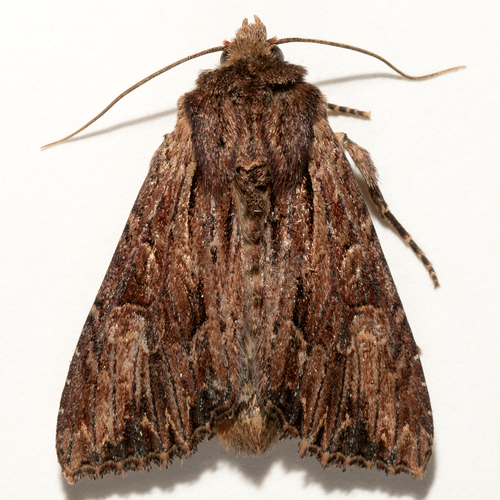
Apamea siskiyou
speciesApamea siskiyou
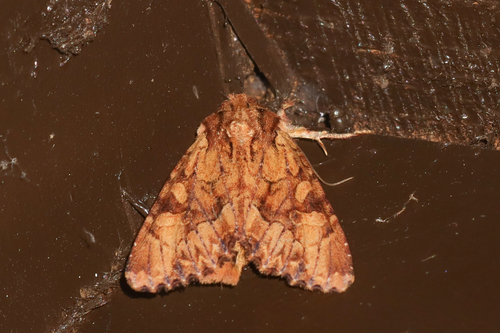
Apamea atriclava
speciesApamea atriclava
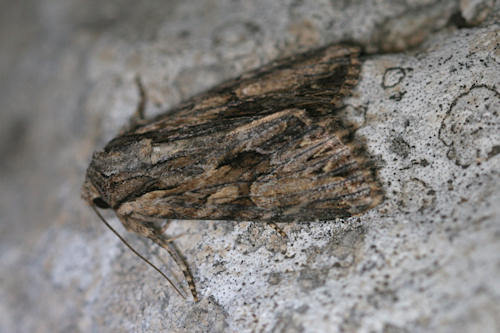
Apamea sicula
speciesApamea sicula
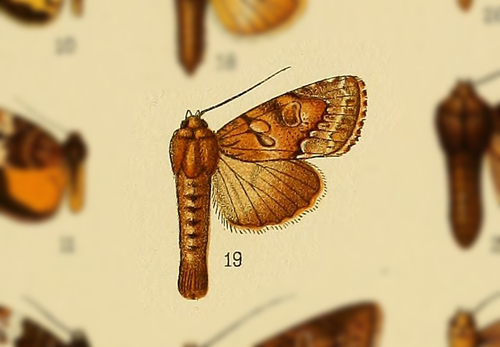
Apamea polyglypha
speciesApamea polyglypha
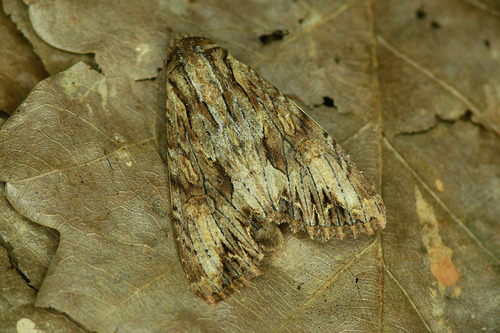
Apamea maroccana
speciesApamea maroccana
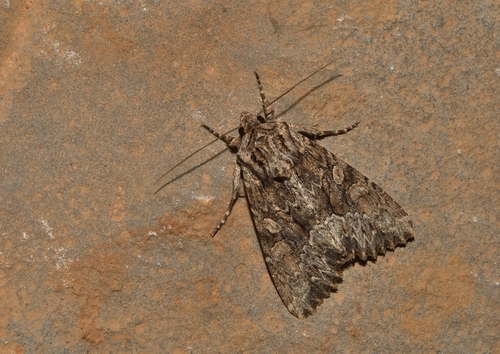
Apamea minoica
speciesApamea minoica

Apamea genialis
speciesApamea genialis
Apamea smythi
speciesApamea smythi
Apamea minoc
speciesApamea minoc
Apamea damascena
speciesApamea damascena
Apamea baischi
speciesApamea baischi
Apamea maraschi
speciesApamea maraschi
Where it lives
Recorded sightings
—
geo-referenced records in GBIF, from museums, herbaria and field observers.
Drag the globe to turn it. Dots are where records exist, not a range map; darker means more records.
In the stacks
Searching the stacks…
Every page naming Apamea monoglypha in the Biodiversity Heritage Library →
This page is assembled live from iNaturalist, GBIF, Wikipedia, the Source Library and the Internet Archive. It is not yet part of the hand-edited codex. iNaturalist taxon 1330132.